


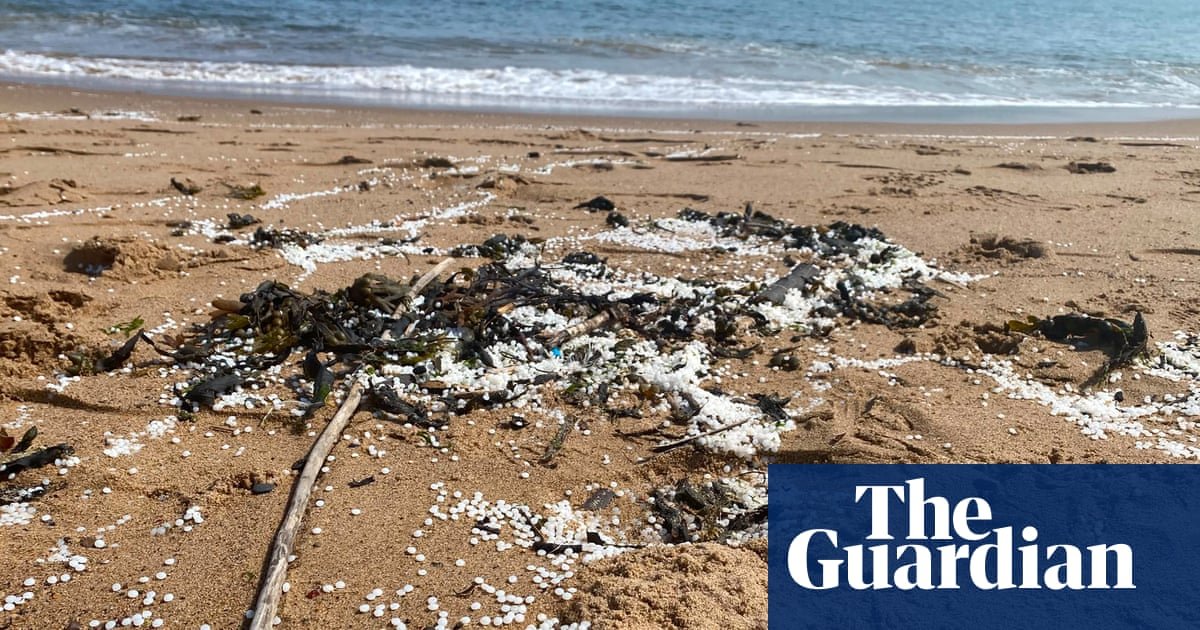
Around a billion tiny plastic nurdles entered the River Tyne after a “catastrophic spill” and the pellets are thought to have spread much more widely than originally thought.
Nurdles are typically 1mm to 5mm in size and serve as the raw material for manufacturing most plastic products.
On Sunday, the Wind Orca collided with the container ship BG Orange, which was moored in the Port of Tyne, damaging a quayside crane and injuring one person.
South Tyneside City Council said the collision sent up to 25 tonnes of nurdles (almost 1 billion in total, according to environmental charity Fidra) into the sea.
The council has warned residents not to handle pellets and to keep their dogs on leads after nurdles were found washed up on beaches in South Shields. The pellets themselves are not toxic. However, once they enter the environment, they are almost impossible to remove and can absorb toxins present in the water.
Animals easily mistake infants for food. They are found in the stomachs and digestive tracts of a variety of species, from seabirds in the North Sea and Australia to green sea turtles and fish off the coast of Brazil.
The spill site is less than three miles (4.8 kilometers) from Marsden Bay, home to one of England’s most important seabird colonies.
Small plastic pellets serve as the raw material for the manufacture of most plastic products. Photo: Alistair Leadbetter
Local resident Alistair Leadbetter told the Guardian he was “absolutely shocked” after seeing so many nurdles that they covered the entire South Shields beach. He said he saw children playing on the beach among the pellets.
Once lost to the environment, nurdles can be easily washed, swept, or blown far, and can accumulate on beaches around the world. Fidra found plastic nurdles in 84% of sites of special scientific interest in the UK last year.
Fidra’s Nurdle Map, which tracks global nurdle pollution, shows the pellets may already have spread much further than first thought, with sightings reported as far south as South Shields and Sunderland, about 11 miles away.
The British Coastguard said it was assisting local authorities with the initial response to the pollution along the North Tyneside coastline, including Tynemouth Longsands, Cullercoats and King Edwards Bay.
“It’s devastating to see another plastic pellet spill,” said Heather McFarlane, Fidra’s senior project manager. He said most pellet contamination can be prevented with simple measures such as better packaging and safer storage.
Skip past newsletter promotions
sign up for sensible
The most important story on earth. Get all of this week’s environmental news – the good, the bad and the important.

After newsletter promotion
Environmental campaigners are calling for tougher controls on pollution following the South Shields incident. Photo: Alistair Leadbetter
“We urgently need stronger UK regulations to prevent pollution on land, and enforcement measures at sea to stop such spills in the future,” Mr MacFarlane said.
A South Tyneside City Council spokesperson said they were currently assessing the extent of the contamination and supporting efforts to remove the pellets from affected areas where necessary. “The council will seek to recover the costs of the clean-up from the responsible party’s insurance company,” they said.
An Environment Agency spokeswoman said staff were “working with local authorities and other partners and providing expert advice to support the early stages of clean-up operations”.
A Port of Tyne spokesperson said: “As soon as we became aware of the scale of the spill, a response plan was activated. This includes a number of actions, including providing assistance to stop any further release of pellets and putting boats out on the river as a matter of urgency to remove pellets from the water.”
The Guardian has contacted Wind Orca’s owner for comment.
contact
Contact us about this story
The best public interest journalism relies on first-hand reporting from those in the know. If you have something to share regarding this matter, please contact us confidentially using the following methods:
Secure messaging in the Guardian app
The Guardian app has a tool to submit story tips. Messages are end-to-end encrypted and hidden within the daily activities performed by all Guardian mobile apps. This prevents observers from knowing that you are communicating with us, much less what you are saying.
If you don’t already have the Guardian app, download it (iOS/Android) and go to the menu. Select “Secure Messaging.”
secure drop
If you can safely use the Tor network without being monitored or monitored, you can send messages and documents to Guardians through the SecureDrop platform.
The guide at theguardian.com/tips lists several ways to contact us safely and explains the pros and cons of each.
See more
Source link
