


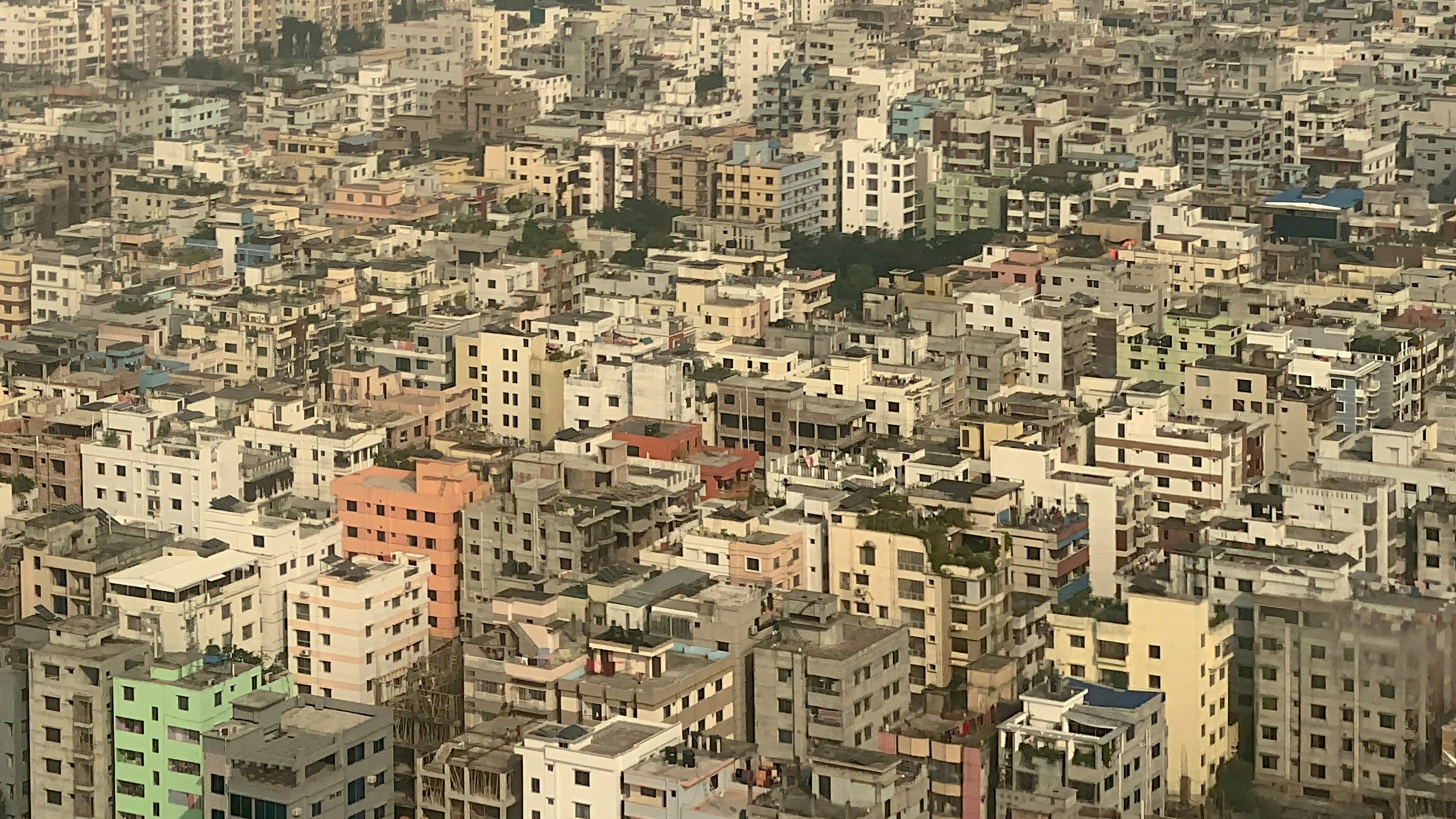
Rising temperatures and declining air quality intensify health threats worldwide. Environmental health and climate change intersect through heat stress, respiratory illnesses, and increased disease vectors that affect dense populations first. Many professionals still view these risks as future concerns rather than present crises, yet evidence shows measurable rises in hospital admissions during heat waves and smog events.
Environmental scientists, urban planners, and public health advocates need precise data to counter these trends. The 2026 Environmental Performance Index ranks 177 countries on environmental health and climate mitigation, revealing both progress and persistent shortfalls in pollution control environmental index. Health impacts of air pollution further degrade ecosystem sustainability, creating feedback loops that worsen human exposure global perspective.
Urban heat islands compound wildfire smoke and ozone formation, elevating cardiovascular and asthma cases in cities urban health. Systematic reviews confirm that climate mitigation co-benefits can reduce respiratory disease burdens by substantial margins when pollution mitigation strategies are applied early co-benefits. Readers will leave this section equipped to prioritize evidence-based actions that link environmental health and climate change directly to measurable public health gains.
Practical Urban Planning Solutions for Pollution Mitigation and Climate Resilience
Urban planners integrate green infrastructure including tree canopies, permeable pavements, and vegetated roofs to reduce urban heat islands and health burdens while advancing environmental health and climate change objectives. These installations lower ambient temperatures and trap particulates, mitigating health impacts of air pollution. Begin by assessing high-risk zones with temperature and air quality sensors. Then install linear parks along roadways to implement pollution mitigation strategies effectively. Documented cases show decreased asthma rates following such deployments. Update building codes to require minimum green coverage and offer tax credits for sustainable materials. Partner with experts to align projects with climate change and public health priorities, incorporating wildfire resilience measures. The WHO framework guides development of walkable districts that lower vehicle emissions. Rapid actions encompass planting street trees and creating pocket parks that yield green infrastructure benefits quickly. Track pollutant levels and heat metrics to verify progress. Resulting climate mitigation co-benefits include carbon storage and better air quality. National sustainability initiatives illustrate how health sector facilities achieve emission reductions via efficient upgrades. Planners and advocates can champion these tactics to strengthen sustainability and environmental health outcomes across cities. Additional steps involve retrofitting existing infrastructure with bioswales and expanding protected bike lanes to cut emissions further while enhancing community access to cooler, cleaner spaces.
Sources
- https://phys.org/news/2026-07-environmental-index-highlights-sustainability-gains.html
- https://public-health.tamu.edu/degrees/mph/blog/climate-change-and-public-health.html
- https://nam.edu/product/health-impacts-of-climate-change
- https://annalsofglobalhealth.org/articles/10.5334/aogh.4161
- https://www.who.int/teams/environment-climate-change-and-health/healthy-urban-environments/urban-planning
- https://sph.brown.edu/news/2025-06-11/humans-public-health-cities-and-public-health
- https://bio.libretexts.org/Workbench/TheBiologyofWomen/06%3AEnvironmentalHealth/6.04%3ASolutionsandStrategiesforEnvironmental_Health
- https://www.hhs.gov/about/sustainability/index.html
- https://www.omicsonline.org/open-access/impact-of-air-pollution-on-human-health-and-ecosystem-sustainability-a-global-perspective-2573-458X-1000433-136230.html
- https://pmc.ncbi.nlm.nih.gov/articles/PMC2872568
