


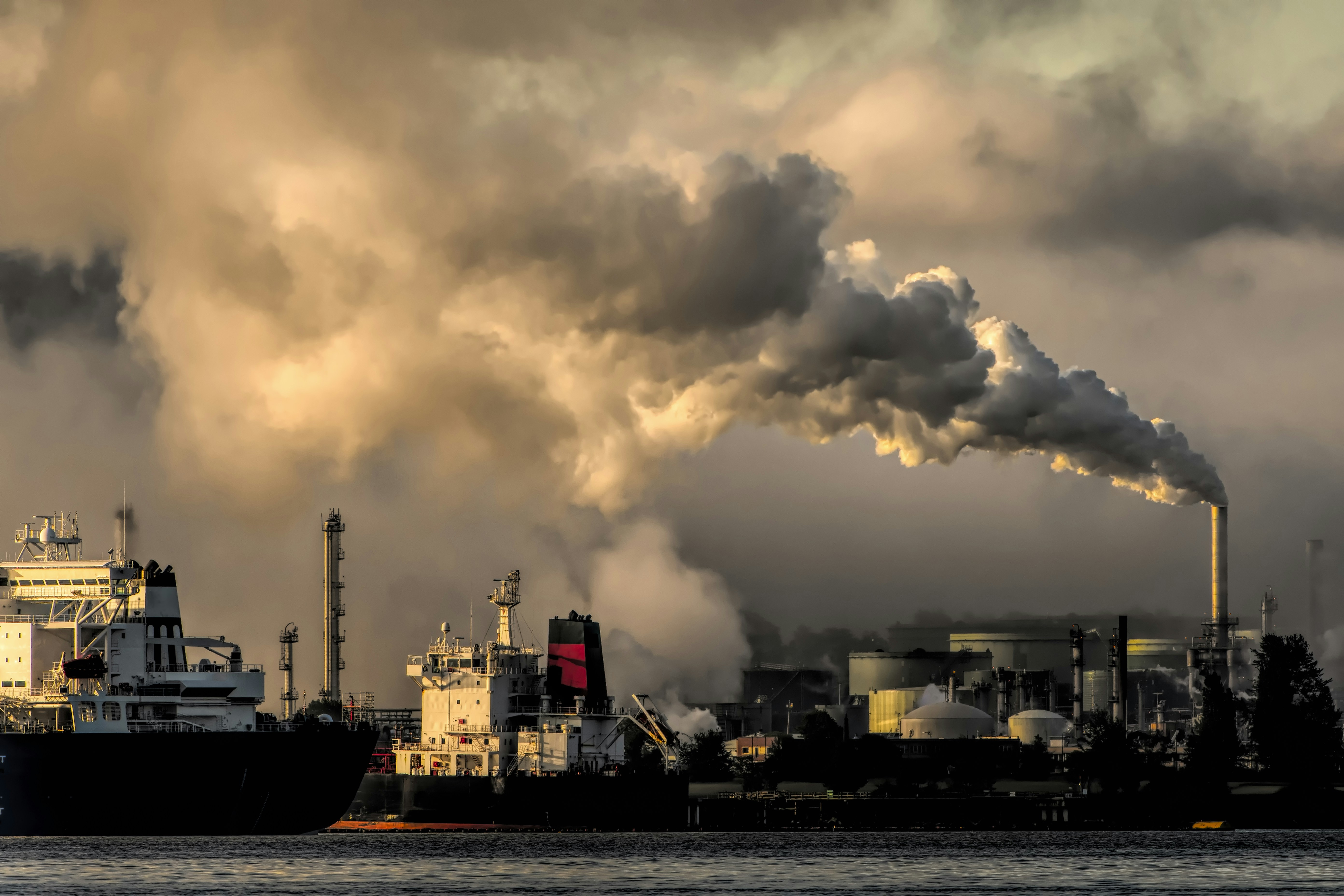
Urban populations confront escalating health threats from pollution and shifting climate patterns. Environmental scientists track how elevated temperatures and poor air quality drive up cases of asthma and cardiovascular disease. Urban planners observe that dense development intensifies these problems through heat islands and vehicle emissions. Public health advocates emphasize the mental health toll including anxiety from extreme weather events.
Beliefs that climate impacts remain distant or manageable without systemic change overlook urgent data. Research shows immediate links between urban air pollution sources and widespread illness.
This discussion serves environmental scientists urban planners and public health advocates ready to implement change. It outlines paths to sustainability outcomes like lower hospital admissions and improved community resilience.
Adopting climate change and public health frameworks allows cities to deploy air pollution mitigation strategies effectively. The zero pollution action plan provides targets for emission cuts that protect vulnerable groups. Sustainable pollution reduction through green infrastructure delivers lasting benefits.
Evidence from European reviews indicates progress toward cleaner environments when policies integrate health priorities. Global analyses connect these efforts to broader equity gains in well-being. Such measures foster environments where populations thrive amid changing conditions.
Urban Planning Strategies for Air Pollution Reduction and Health Protection
Cities reduce emissions through targeted designs that prioritize pedestrian access and limit vehicle dependence. Walkable neighborhoods cut transport-related pollutants while encouraging physical activity that improves overall health. Green corridors and parks filter particulates and moderate urban temperatures linked to climate change and public health concerns.
Zoning reforms separate heavy industry from residential zones and promote mixed-use developments. These steps lower exposure to urban air pollution sources. European zero pollution action plan benchmarks show measurable drops in fine particles when such measures scale.
Public transit expansions paired with bike lanes deliver quick reductions in tailpipe emissions. Data from global reviews confirm lower respiratory illness rates in areas with high transit coverage. Environmental health impacts decrease further when planners integrate tree planting along streets.
Real-world cases demonstrate success. Indian policy briefs highlight how compact city designs address climate change and public health simultaneously. US studies link these approaches to fewer heat-related hospital visits.
Planners achieve sustainable pollution reduction by combining these elements into cohesive master plans. Monitoring programs track progress against air pollution mitigation strategies targets. Communities gain cleaner air and stronger resilience when implementation stays consistent.
Sustainable Mitigation Steps, Common Mistakes, and Actionable Next Steps
Cities begin with detailed inventories of urban air pollution sources to guide priorities. They then implement air pollution mitigation strategies such as congestion pricing and expanded tree canopies that deliver sustainable pollution reduction. These measures directly improve climate change and public health by lowering respiratory illness rates.
Common mistakes include ignoring equity concerns which leaves vulnerable groups exposed and neglecting zero pollution action plan benchmarks that cause missed targets. Another error is relying only on technology without policy support.
Troubleshooting requires real-time monitoring and quick adjustments like traffic rerouting when levels stay high. Advocates address coordination gaps using hybrid governance models from recent research.
Next steps involve building cross-sector teams that integrate climate change and public health into zoning. Scientists should publish urban planning climate health findings while planners launch pilots and track results against established metrics. Communities see lasting gains when efforts emphasize equity and draw from sources such as the zero pollution action plan. Regular reviews keep strategies effective and scalable.
Sources
- https://www.orfonline.org/research/utilising-urban-planning-to-address-climate-change-as-a-health-crisis
- https://public-health.tamu.edu/degrees/mph/blog/climate-change-and-public-health.html
- https://www.omicsonline.org/open-access/pollution-climate-change-and-human-health-risks-139038.html
- https://www.omicsonline.org/open-access/impact-of-air-pollution-on-human-health-and-ecosystem-sustainability-a-global-perspective-2573-458X-1000433-136230.html
- https://environment.ec.europa.eu/strategy/zero-pollution-action-plan_en
- https://pmc.ncbi.nlm.nih.gov/articles/PMC11474320
- https://www.researchgate.net/publication/385101460UrbanairpollutionSourcesimpactsandsustainablemitigationstrategiesforacleaner_future
- https://www.clarity.io/blog/how-does-urban-planning-contribute-to-climate-change
- https://climate.sustainability-directory.com/area/air-pollution-health
- https://www.mdpi.com/2073-4433/11/12/1344
