


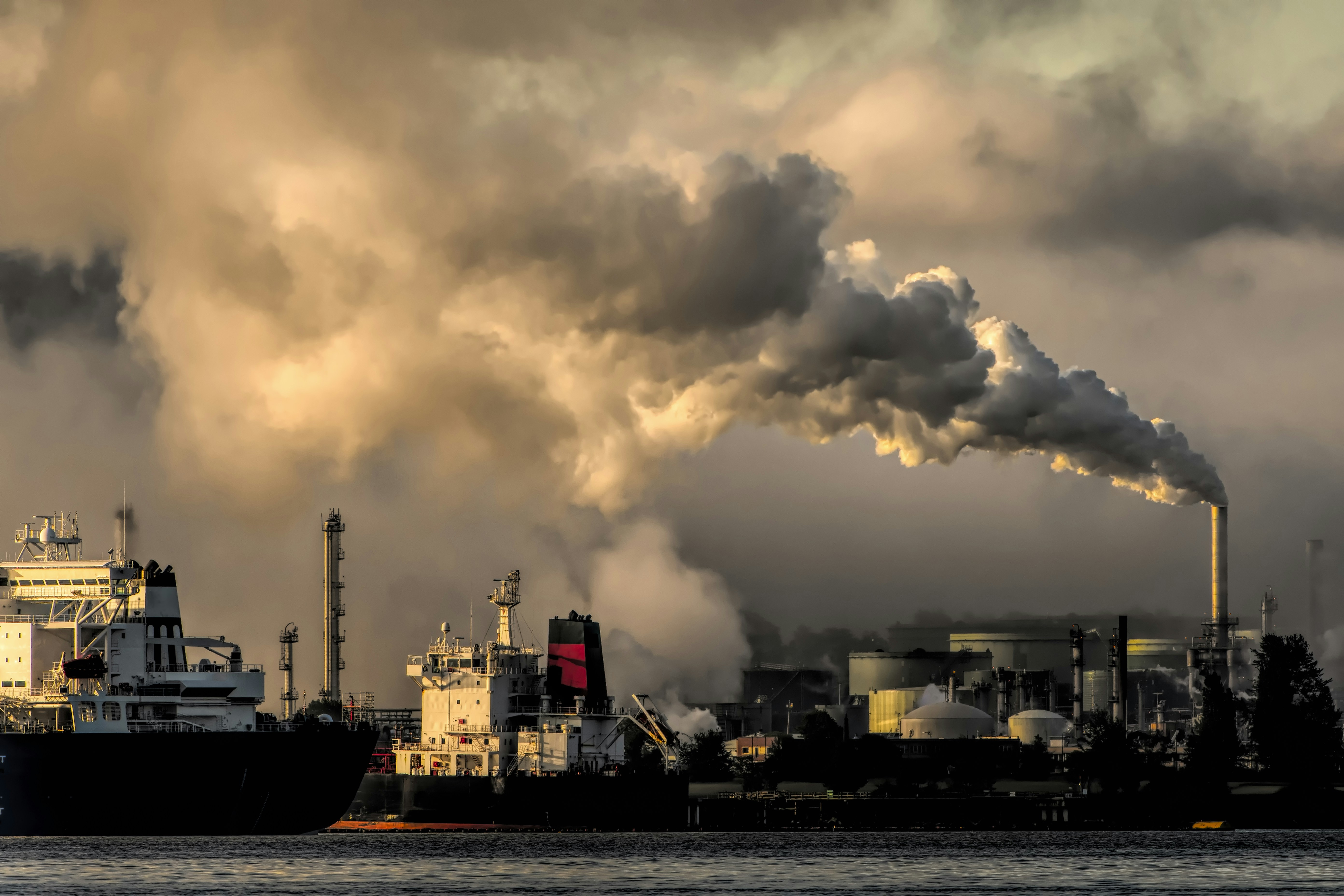
Climate change and pollution pose immediate risks to global populations through rising temperatures, extreme weather events, and contaminated air. These factors directly undermine environmental health by degrading air quality, water resources, and food systems. Vulnerable communities experience the harshest effects, with low-income regions facing death rates from extreme events 15 times higher than others. WHO data highlights that 3.6 billion people live in areas highly susceptible to these changes. Climate change and health
Air pollution alone caused 6.4 million premature deaths from outdoor sources in 2025, alongside millions of new cases of asthma, heart disease, and other conditions. The UNEP report underscores how these pollutants overlap with greenhouse gas emissions, amplifying health burdens. Environmental health suffers as climate stressors increase vector-borne diseases and mental health challenges. Without intervention, exposure to dangerous particulate matter will rise significantly by 2050. Additionally, 2 billion people lack safe drinking water and 600 million suffer from foodborne illnesses annually, risks heightened by changing climate patterns.
Urban areas amplify these issues, where over half the world’s population resides and by 2050 that share will reach 70 percent. Integrating health considerations early prevents widespread harm. Scientists emphasize the need for swift climate mitigation adaptation to safeguard populations. Pollution health impacts extend to ecosystems, further threatening sustainable development. Addressing these interconnected crises requires cross-sector collaboration focused on environmental health outcomes and resilience building for future generations.
Integrated Solutions for Climate and Clean Air
Tackling climate and air pollution jointly delivers substantial returns for environmental health. The UNEP report demonstrates that 25 integrated solutions across six sectors can generate $15 in benefits for every dollar invested when including non-market gains such as quality of life improvements. These measures cut carbon dioxide emissions by about half by 2050, methane by 60 percent, and major particulate matter precursors by 70 percent, avoiding 0.34 degrees Celsius of global warming by mid-century. Market benefits alone exceed costs within 10 years, positioning integrated action as one of the highest-return public investments available today. Clean cooking initiatives, methane leak controls, and tightened vehicle and industrial emissions standards provide rapid gains, particularly in low- and middle-income regions where 95 percent of air pollution deaths occur. Full implementation avoids 60 to 70 percent of the annual health burden from pollution, preventing 144 million premature deaths cumulatively by 2050 along with hundreds of millions of chronic disease cases. Institutional barriers such as siloed decision-making delay progress by an average of eight years, halving achievable emissions reductions by 2035. Reforms that accelerate action could generate up to $10 trillion in cumulative savings from avoided morbidity by 2040. For environmental health, combining climate mitigation adaptation with air pollution mitigation yields co-benefits in reduced disease incidence, improved workforce productivity, and more resilient communities worldwide. Urban planners and public health advocates can prioritize these solutions to advance sustainable cities health. Evidence from recent 2026 assessments confirms that addressing environmental determinants health through joint policies protects vulnerable populations most affected by pollution health impacts. Early adoption in national plans strengthens overall environmental health outcomes while delivering economic advantages that far surpass initial implementation expenses of 0.7 percent of GDP. Additional strategies include transitioning to renewable energy, improving industrial efficiency, and better agricultural management to further support these gains. Hidden assets report
Urban Planning Strategies for Healthier Cities
Effective urban planning public health approaches place human and environmental health at the core of city design. The WHO sourcebook guides planners to integrate health metrics into territorial planning, addressing environmental determinants health such as air quality, water access, and green infrastructure. Only one in ten cities meets healthy air standards, yet investments in health-based planning secure long-term wellbeing for the 70 percent of the global population expected to live in urban areas by 2050. Urban planning crucial for better public health in cities
Green spaces urban health strategies reduce pollution health impacts while supporting climate mitigation adaptation. Urban trees and parks lower urban heat islands, improve air quality, and promote physical activity, delivering measurable benefits for sustainable cities health. Case studies show these interventions cut heat-related illnesses and enhance mental health resilience. Tools from the WHO resource directory enable health impact assessments and spatial analysis to prioritize vulnerable neighborhoods. Healthy urban environments
Planners can adopt entry points like setting-specific interventions or sector-wide policies to embed environmental health considerations. Combining these with air pollution mitigation measures, such as expanded public transit and emission controls, creates resilient communities. Evidence confirms that equitable access to healthy environments reduces disease burdens and supports broader climate change and health goals. Cross-sector collaboration between urban planners, scientists, and advocates accelerates implementation of these proven strategies for healthier, sustainable cities.
Sources
- https://link.springer.com/article/10.1007/s43621-026-03568-0
- https://www.unep.org/news-and-stories/story/new-report-finds-tackling-climate-change-and-air-pollution-together-could
- https://www.who.int/news-room/feature-stories/detail/urban-planning-crucial-for-better-public-health-in-cities
- https://pmc.ncbi.nlm.nih.gov/articles/PMC10530629
- https://www.who.int/teams/environment-climate-change-and-health/healthy-urban-environments
- https://www.nationalacademies.org/topics/climate-change
- https://www.who.int/news-room/fact-sheets/detail/climate-change-and-health
- https://earth.org/the-biggest-environmental-problems-of-our-lifetime
- https://www.sciencedirect.com/science/article/pii/S2405844025006954
- https://www.who.int/tools/health-in-urban-planning-resource-directory
