


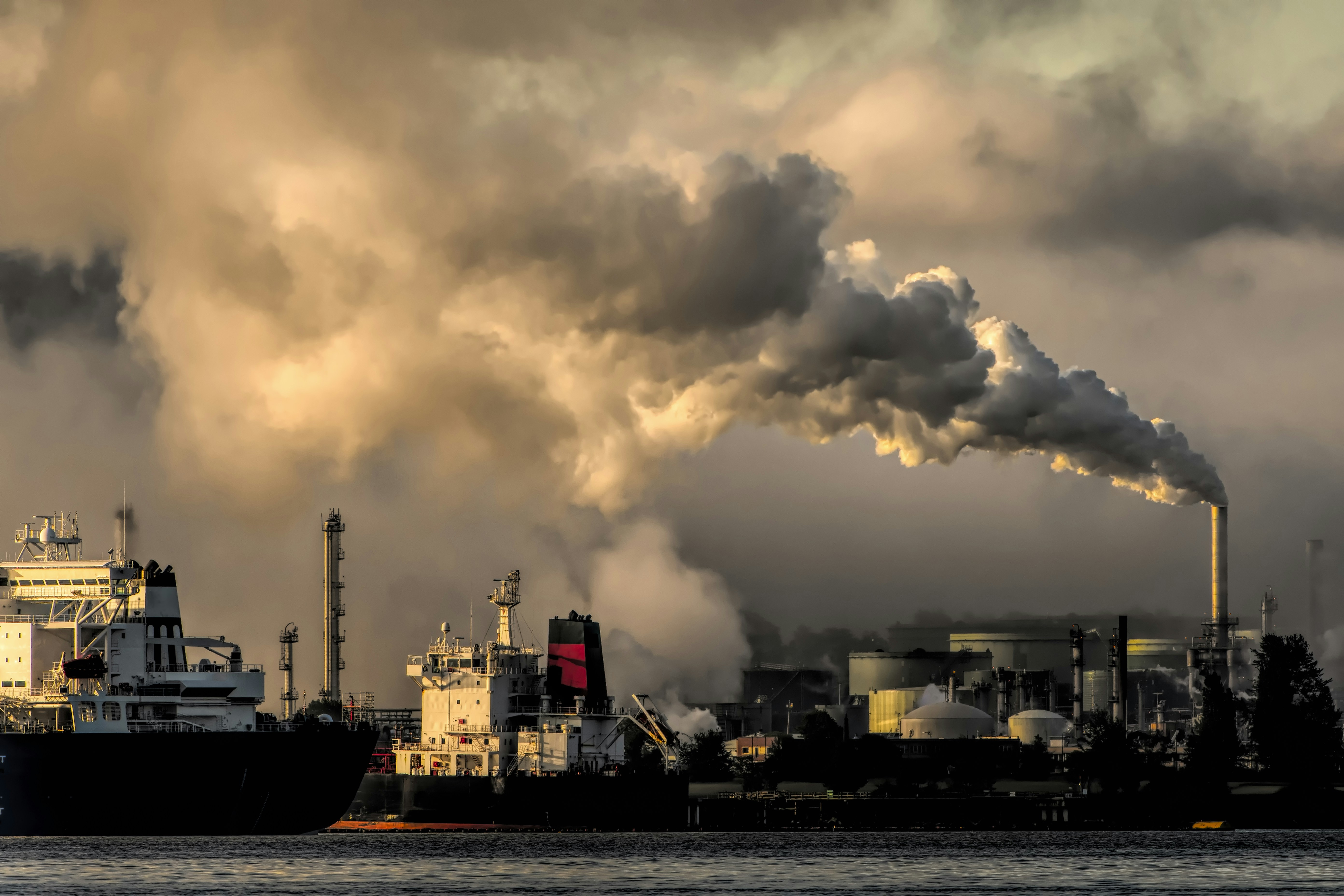
Climate change and health risks are escalating as rising temperatures, extreme weather, and pollution compound threats to populations worldwide. Environmental scientists document how these factors drive vector-borne diseases, heat stress, and respiratory illnesses at unprecedented rates. Urban planners face mounting pressure to redesign cities where air pollution health risks already claim millions of lives annually.
Data from the 2025 Lancet Countdown report shows heat-related mortality has surged 23 percent since the 1990s. The WHO projects 250,000 additional annual deaths from climate-attributable causes by 2030-2050. Pollution mitigation strategies remain essential, yet many regions lag in implementation.
Integrated approaches that link climate resilience urban planning with public health measures deliver measurable gains. Cities adopting nature-based solutions and emission controls report lower environmental health impacts and improved community outcomes. Sustainability and public health advance together when policies prioritize green infrastructure and equitable access to clean air.
The concrete outcome is reduced disease burdens and stronger adaptive capacity when stakeholders apply evidence-based urban planning climate health frameworks. Lancet Countdown 2025 Report WHO Climate Change and Health
Real-World Examples of Environmental Impacts on Urban Health
Real-world cases illustrate the severe effects of climate change and health challenges in cities. In Indian urban areas, unplanned growth has intensified heat islands, leading to higher hospital admissions during heatwaves. The 2025 Lancet Countdown report notes a 23 percent rise in heat-related deaths globally since the 1990s, with many occurring in dense cities. US cities show similar patterns. A 2025 Nature study across multiple metropolitan areas found that poor built environments correlate with increased respiratory issues from air pollution health risks. Fossil fuel emissions contribute to 2.52 million outdoor air pollution deaths yearly. In Europe, the EU Zero Pollution Action Plan targets reductions in harmful emissions, linking directly to lower environmental health impacts. Cities implementing these measures see improved sustainability and public health metrics. Pollution mitigation strategies in Asian megacities have cut PM2.5 levels, resulting in fewer cases of cardiovascular disease. Community networks and early warning systems, supported by climate resilience urban planning, helped reduce mortality in events like the 2010 Ahmedabad heatwave by 25 percent. These examples demonstrate that targeted interventions yield quick health gains. Data-driven urban planning climate health approaches enable advocates to prioritize high-impact areas for maximum benefit. Key documented cases include the 25 percent reduction in heat deaths from Ahmedabad’s Heat Action Plan, a 49 percent rise in dengue transmission potential since the 1950s, and record 154,000 wildfire smoke deaths in 2024 from latest Lancet report. Further cases from global reports show ongoing challenges in air quality management. Lancet Countdown 2025 Report ORF Urban Planning Brief
Step-by-Step Pollution Mitigation and Sustainability Planning
Effective pollution mitigation strategies start with detailed risk mapping. Environmental scientists analyze heat exposure, emissions, and disease patterns to pinpoint urban zones where climate change and health threats intensify. Data from the 2025 Lancet Countdown report guides prioritization of areas with rising heat-related mortality.
Nature-based interventions come next. Planners introduce urban forests, green roofs, and wetland restoration to cut air pollution health risks and moderate temperatures. Studies show these measures lower peak heat by several degrees while improving biodiversity and community well-being.
Policy integration follows. Cities align zoning and transport rules with the EU Zero Pollution Action Plan to enforce emission caps and expand low-emission zones. This approach delivers measurable drops in environmental health impacts when paired with incentives for clean energy.
Stakeholder training completes the process. Public health advocates and local networks receive tools for early warning systems and participatory design, strengthening climate resilience urban planning. Monitoring uses WHO indicators to track progress and refine actions.
Implementation across these steps produces lower disease burdens and higher adaptive capacity. Lancet Countdown 2025 Report WHO Climate Change and Health ORF Urban Planning Brief
Sources
- https://www.orfonline.org/research/utilising-urban-planning-to-address-climate-change-as-a-health-crisis
- https://www.nature.com/articles/s41598-025-04567-3
- https://lancetcountdown.org/2025-report
- https://www.omicsonline.org/open-access/pollution-climate-change-and-human-health-risks-139038.html
- https://environment.ec.europa.eu/strategy/zero-pollution-action-plan_en
- https://www.who.int/news-room/fact-sheets/detail/climate-change-and-health
- https://www.omicsonline.org/open-access/impact-of-air-pollution-on-human-health-and-ecosystem-sustainability-a-global-perspective-2573-458X-1000433-136230.html
- https://pubmed.ncbi.nlm.nih.gov/39197781
- https://www.researchgate.net/publication/385101460UrbanairpollutionSourcesimpactsandsustainablemitigationstrategiesforacleaner_future
- https://climate.sustainability-directory.com/area/public-health-impacts-of-pollution
