


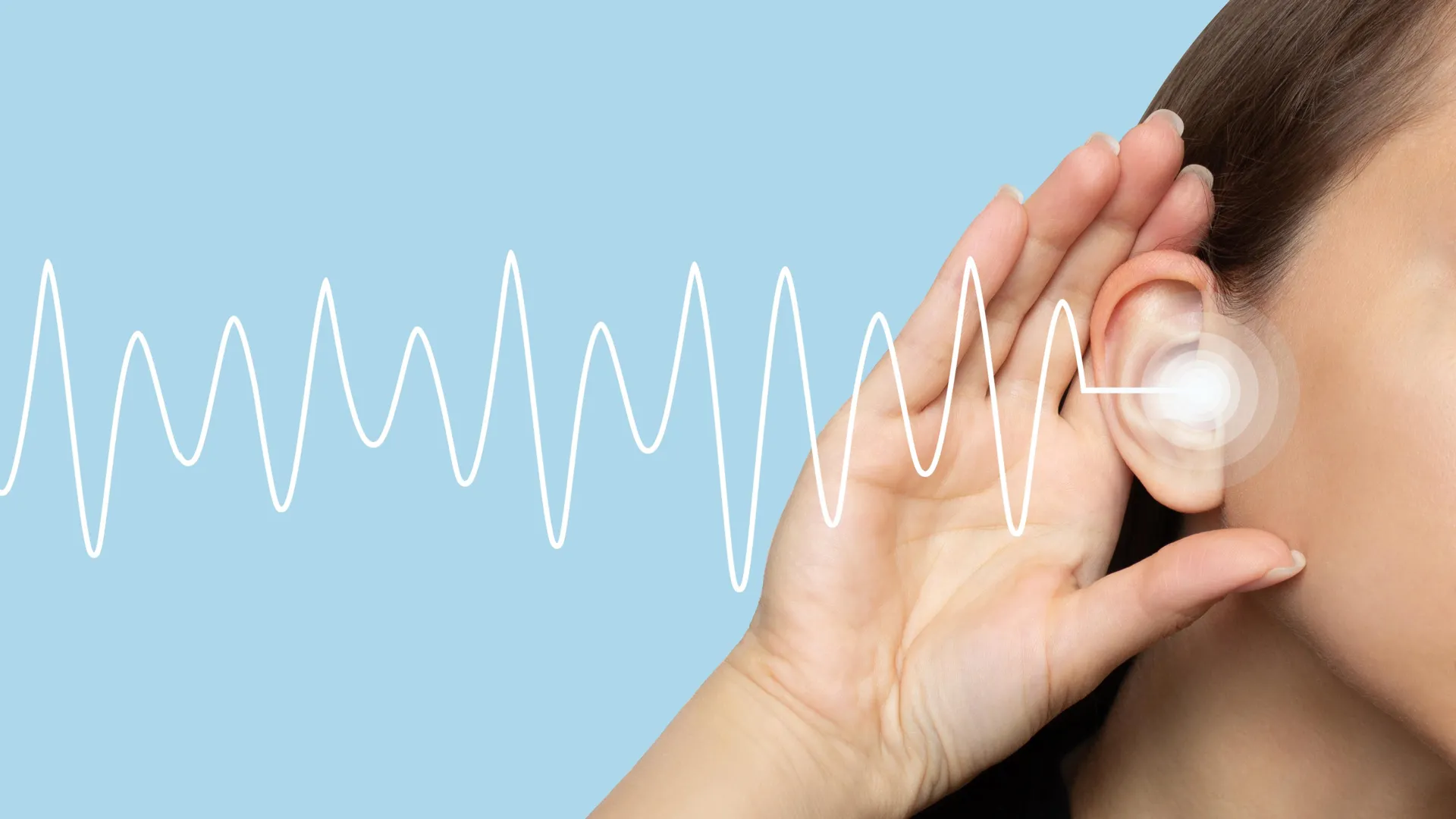
Many people think that hearing loss occurs gradually and is simply part of aging. But one of the early signs can be something unexpected, such as a persistent ringing, buzzing, or hissing sound that others can’t hear.
Susan Bianco, 87, of Lancaster, first noticed a change in her hearing when she started having difficulty speaking.
She often asked her husband to repeat what he said. Telephone calls became difficult and noisy social environments were especially frustrating.
“It’s very difficult to hear in a crowd,” she said. “I can’t understand what other people are saying when they’re talking.”
Then she started noticing other symptoms. A buzzing sound appeared in her ears, becoming more noticeable each time she felt tired.
Bianco’s experience is common. According to the Centers for Disease Control and Prevention, approximately 13% of U.S. adults have hearing loss. For adults 65 and older, that number rises to 27%. Approximately 10% of adults also experience tinnitus. This is a common symptom of hearing loss that causes a grinding or buzzing sound in the ear.
The likelihood of developing hearing loss or tinnitus increases with age and exposure to loud noises.
“While we can’t stop aging, we can take steps to protect our hearing and reduce our risk of developing hearing loss and tinnitus,” said Dr. Jackie Price, an audiologist in the Department of Otolaryngology-Head and Neck Surgery at Penn State Health.
October is National Hearing Conservation Month. Price explains what causes tinnitus, how to protect your hearing, and when to seek help.
What is tinnitus?
Tinnitus is the perception of sound when no external sound source is present. It is often described as a ringing, buzzing, hissing, or hissing sound in one or both ears.
Price said some liken the noise to a semi or a passing freight train.
“For some people, noise is a constant annoyance that interferes with their productivity and quality of life,” Price says.
Sound does not come from the surrounding environment. Rather, it is caused by a communication problem between the ear and the brain.
Other sound-related conditions can occur as well. Hyperacusis makes everyday noises seem unusually loud and overwhelming. Misophonia causes strong emotional reactions to certain sounds.
How hearing loss and tinnitus occur
Price says tinnitus and similar acoustic disorders are often early signs of hearing loss.
This process often begins inside the cochlea, a spiral-shaped structure in the inner ear. Tiny sensory hair cells there convert sound vibrations into signals that travel to the brain.
When these delicate cells become damaged, they are unable to transmit information properly. Loss of hearing also distorts the communication between the ear and the brain, which can cause the phantom sounds associated with tinnitus.
Its effects can extend far beyond hearing itself.
Hearing loss and tinnitus are associated with problems with sleep, concentration, and relationships. Research also shows they can hasten cognitive decline, increase the risk of depression, and increase the likelihood of falls.
How to protect your hearing
One of the most effective ways to reduce the risk of hearing loss is to limit exposure to loud noises.
Price recommends the use of hearing protection whenever noise levels exceed 85 decibels. Situations such as concerts, sporting events, fireworks displays, and the use of power tools can all expose people to potentially harmful noise levels.
“I encourage people to wear hearing protection instead of listening to music with earphones when mowing,” Price said. “It’s kind of a double whammy because people are bothered by lawnmower noise, turn up the music so they can hear it, and then end up listening to the excess noise for 45 minutes or more, sometimes twice a week.”
It is also important to choose effective hearing protection. Earplugs and earmuffs must have a noise reduction rating of at least 22 decibels. This rating is displayed on the product’s packaging and indicates how well the product can reduce noise.
Proper insertion is also important.
“Pinch the foam earplugs between two fingers, squeeze and roll,” Price explained. “Then, when you put it in your ear, use your other hand to pull on the earlobe to open up the ear canal, then insert the earplug and fully expand it.”
Most foam earplugs are designed for one-time use to ensure they maintain a tight seal against noise.
Treatment options for hearing loss and tinnitus
Although there is currently no cure for hearing loss or tinnitus, available treatments can help improve daily functioning and quality of life.
Treatment for hearing loss depends on the cause and severity. Hearing aids and other assistive technology are often recommended to improve communication.
For tinnitus, one option is tinnitus retraining therapy. This approach combines counseling and sound therapy to help reduce the impact of your symptoms.
Counseling can help patients better understand and cope with tinnitus. Sound therapy uses gentle background noise to distract from the sensation of ringing or buzzing.
Bianco recently started tinnitus retraining therapy and now wears hearing aids.
As part of her treatment, Price had her Bianco hearing aids programmed with soft, continuous sounds. The goal is to reduce the distraction of tinnitus.
“It sounds like rain, but it doesn’t really bother me,” Bianco said.
When should you take a hearing test?
People who hear ringing in their ears or other unusual sounds should consider getting a hearing test, Price said.
“Sometimes people think they can hear, but there are signs of changes inside the ear, such as damage to hair cells or loss of hearing at the highest frequencies,” Price says. “Testing helps us better understand what’s going on so we can manage those changes.”
Even if hearing problems aren’t obvious, testing can reveal early signs of damage and give you an opportunity to take steps to preserve your hearing and improve your long-term quality of life.
