


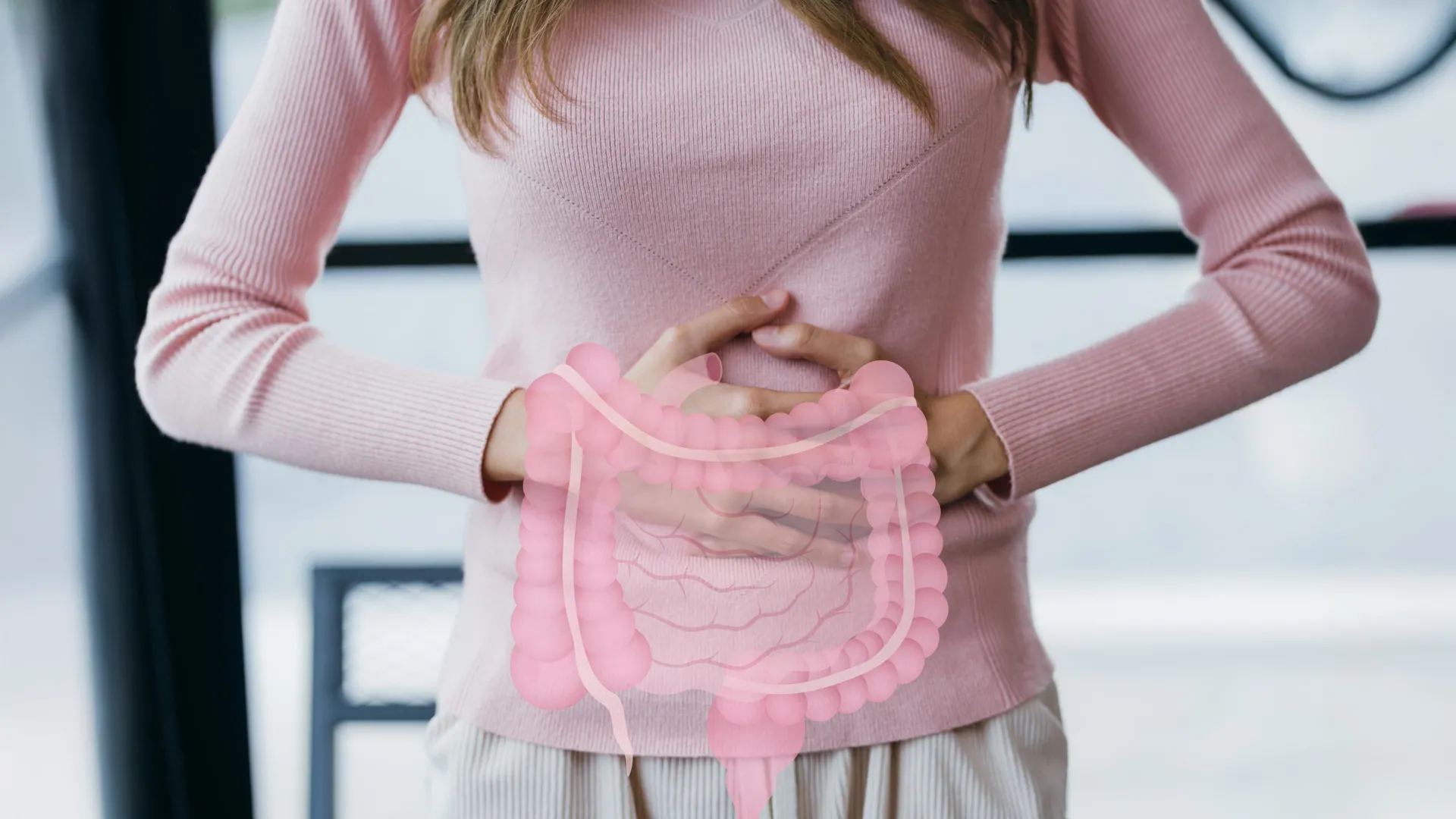
Natural compounds found in rice bran may influence the strength of intestinal contractions, according to new research from Toho University.
The study, led by Dr. Keisuke Ohara, Dr. Kento Yoshioka, and Professor Yoshio Tanaka from the Faculty of Pharmaceutical Sciences, found that ferulic acid (FA) can inhibit intestinal smooth muscle contraction by blocking voltage-gated calcium channels. The findings could ultimately support new dietary approaches for intestinal motility disorders such as irritable bowel syndrome (IBS) and inflammatory bowel disease (IBD).
Common compounds found in whole grains
Ferulic acid is a polyphenol found in many plant-based foods, especially whole grains and rice bran. Its antioxidant and neuroprotective properties are already known, and research to date has largely focused on how it affects the body more broadly.
However, little was known about its influence on gastrointestinal motility, the coordinated muscle activity that moves food and waste products through the digestive system.
Patients with IBS and IBD may experience abnormalities in their bowel movements. The intestines may contract excessively or have reduced movement. The researchers set out to determine whether FA could directly alter these contractions.
Ferulic acid reduces intestinal contractions
The research team tested FA using guinea pig ileal longitudinal smooth muscle (ILSM). This compound significantly reduced contractions caused by several signaling molecules, including acetylcholine, histamine, prostaglandin F2α, and serotonin.
The inhibitory effect was reversible, meaning that normal contraction returned after removal of FA. It is also concentration dependent; the higher the concentration, the stronger the effect.
The researchers found that FAs behave in a non-competitive manner. This suggests that they did not simply block the receptors used by the signaling molecules. Instead, it appeared to interfere with a common mechanism involved in muscle contraction.
Blocking calcium signals in smooth muscle
Additional experiments using a vascular smooth muscle cell model provided a possible explanation. FA reduced intracellular calcium elevation caused by potassium chloride.
Calcium entering smooth muscle cells plays a central role in causing contraction. This result indicates that FA suppresses this process by inhibiting voltage-gated calcium channels, reducing the calcium signals required for muscle tone.
Possible benefits and risks for intestinal diseases
This finding suggests that FA may function as a natural regulator of intestinal motility. By calming excessive smooth muscle activity, it may help people with inflammatory bowel disease, where diarrhea is the predominant cause.
The same effects may not be beneficial for everyone. In people with IBS where constipation predominates, or in healthy people, further slowing of bowel movements can worsen constipation and related symptoms.
Human research is still needed
The researchers emphasized that the FA concentrations that produced the effect in vitro were higher than blood concentrations typically reached with normal dietary intake.
However, after ingesting food or supplements, FA concentrations in the intestine can increase because the compounds come into direct contact with the gastrointestinal tract. Further research will be needed to determine whether the test results reflect what is happening inside the human body.
This study provides the basis for investigating whether ferulic acid could ultimately be used in diets or supplements to regulate intestinal motility. Clinical trials are needed to confirm efficacy in humans, identify which patients benefit, and determine safe and effective intake levels.
