


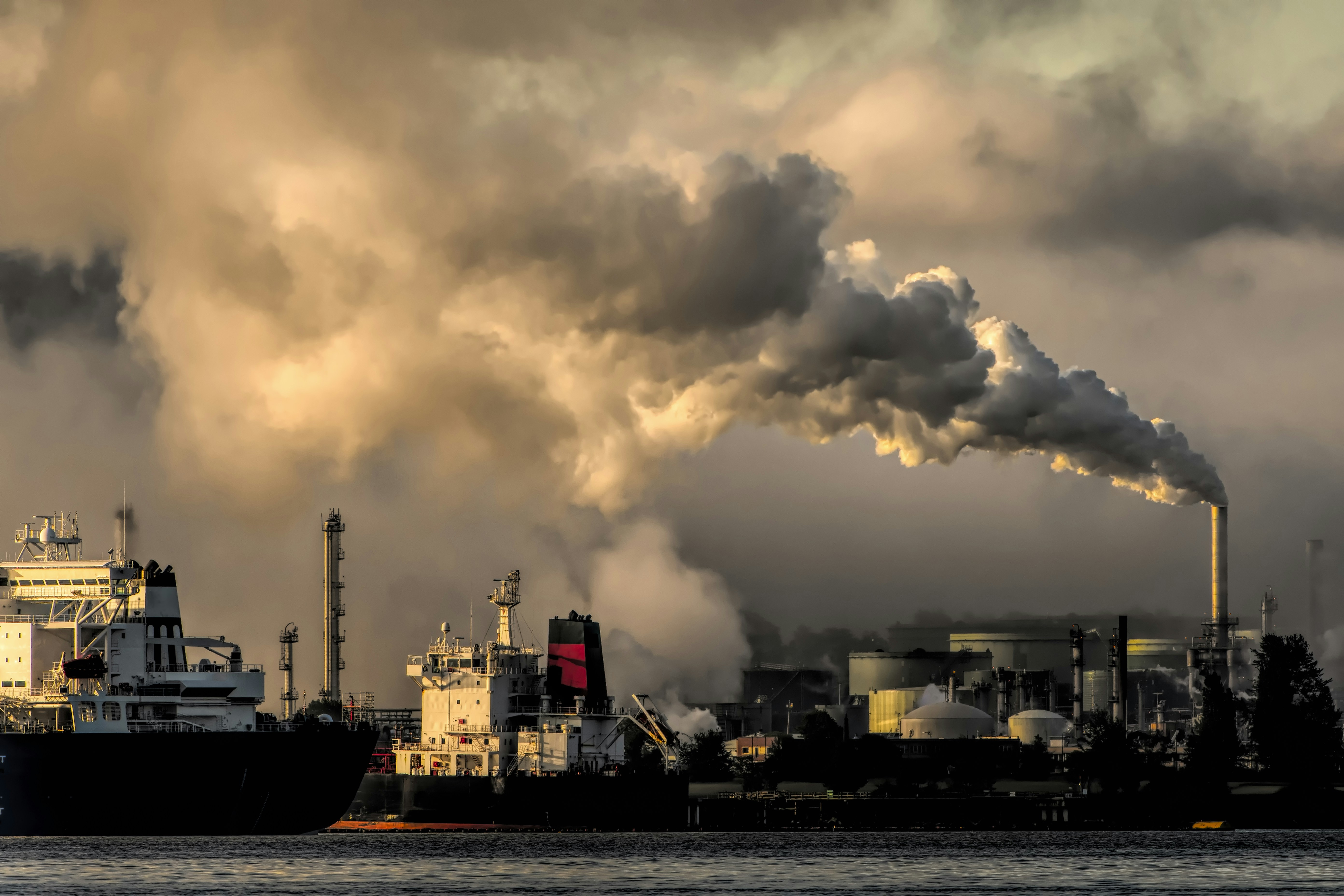
Climate change and health risks are intensifying as global temperatures climb and extreme events become more frequent. Heatwaves trigger cardiovascular and respiratory emergencies, while wildfires release pollutants that exacerbate asthma and other lung conditions. Public health systems struggle to keep pace with these evolving challenges, particularly in urban settings where populations are dense and resources stretched.
Fossil fuel combustion remains a major driver, connecting air pollution directly to both immediate health harms and long-term climate shifts. The World Health Organization tracks these trends through its air quality database, highlighting opportunities for mitigation that benefit multiple sectors simultaneously https://www.who.int/health-topics/air-pollution.
Environmental health impacts include increased vector-borne diseases and mental health burdens from climate-related migration. Events tied to biodiversity loss and weather patterns like ENSO further complicate the picture for advocates focused on resilience.
Understanding pollution and climate links allows for targeted interventions. Adopting renewable energy reduces emissions and improves air quality at the same time, creating measurable gains in population health. Sustainable urban planning that prioritizes green corridors and efficient transport supports climate health resilience while addressing equity concerns.
Environmental justice and health principles guide the development of policies that protect marginalized communities from disproportionate burdens. Research from international bodies stresses the value of integrating health considerations into all climate actions https://www.who.int/health-topics/climate-change.
The EPA provides indicators that help track adaptation progress in the United States, offering models for global application. ISGlobal demonstrates how urban design can simultaneously tackle heat islands and pollution levels. This perspective equips professionals with practical insights to advance better public health planning through sustainable measures that deliver lasting protection against environmental threats.
Key Environmental Impacts on Human Health and Equity
Climate change and health disparities manifest clearly in the uneven distribution of heat stress and pollution burdens across society. Understanding climate change and health requires attention to these patterns. Low-income neighborhoods often lack cooling infrastructure and green cover, leading to higher incidences of heatstroke and cardiovascular complications during summer peaks. Air quality issues compound these problems, with particulate matter from traffic and industry causing chronic respiratory conditions in exposed groups. The 2026 WHO updates underscore migration pressures from climate events that further strain health services in receiving areas.
Data from the air quality database reveals persistent exceedances of safe limits in many cities, correlating with elevated hospital admissions among children and older adults. Wildfire smoke travels long distances, affecting even distant populations with asthma exacerbations and reduced lung function. Environmental health impacts also include mental health challenges from repeated disasters and loss of livelihoods.
Sustainable urban planning offers pathways to reduce these vulnerabilities through better zoning and transport options. Pollution and climate links demonstrate that cutting emissions improves both immediate air quality and long-term stability. Renewable energy health benefits appear in lower rates of related diseases as communities shift away from coal and oil.
Environmental justice and health considerations require prioritizing investments in the most affected regions to close equity gaps. Climate health resilience builds when policies incorporate local data and community input. Global reports on biodiversity and extreme weather patterns stress the interconnected nature of these threats.
By focusing on these specific effects, scientists and advocates gain tools to design interventions that protect everyone, especially those historically underserved. Adaptation resources from agencies like the EPA provide benchmarks for measuring progress in reducing health inequities tied to environmental factors and promoting equity.
Actionable Steps for Sustainable Urban Planning and Pollution Control
Urban planners advance climate change and health by embedding health metrics into development decisions from the start. Compact designs paired with efficient public transit reduce emissions and promote active travel, supporting air pollution mitigation and easing urban heat loads.
Expanding tree cover and parks in vulnerable neighborhoods tackles environmental justice and health inequities. Green spaces cool cities and capture pollutants, directly benefiting respiratory outcomes for local populations.
Incentives for rooftop solar and community wind projects unlock renewable energy health benefits by cutting fossil fuel use. This strategy simultaneously addresses pollution and climate links while lowering related disease rates.
Cities should adopt continuous air quality monitoring tied to WHO databases for timely public alerts and policy adjustments. Resilient building standards help structures endure extreme weather events linked to shifting climates.
Engaging residents in planning builds climate health resilience and ensures solutions match community priorities. Sessions at public health conferences demonstrate how integrated renewable policies improve well-being across cities.
EPA indicators guide measurement of adaptation success on environmental health impacts. ISGlobal findings confirm that coordinated urban approaches deliver equity gains alongside pollution reductions.
Cross-sector partnerships place health at the core of policy, creating quick improvements and sustained protection from climate-driven threats for all residents.
Sources
- https://www.who.int/health-topics/climate-change
- https://www.who.int/health-topics/air-pollution
- https://www.who.int/news-room/fact-sheets/detail/climate-change-and-health
- https://www.epa.gov/climate-change
- https://www.isglobal.org/en/urban-planning
- https://www.who.int/news-room/fact-sheets/detail/climate-change-and-health
- https://publichealthworldconference.com/program/scientific-sessions/climate-change-and-public-health
- https://globalpublichealthconference.com/program/scientific-sessions/environmental-health-and-climate-change
- https://live.theconduit.com/climate-and-health
- https://www.who.int/health-topics/air-pollution
