

Close Menu

    Subscribe to Updates

    Get the latest creative news from FooBar about art, design and business.

    What's Hot

    2026 Pharma Outlook: Key Trends for Pharmacologists and Executives

    October 29, 2026

    The Rising Stakes: Population Health Challenges Facing Epidemiologists and Policymakers in 2026

    October 28, 2026

    Navigating Divergences in 2025–2030 Dietary Guidelines vs AHA Statements for CVD Prevention

    October 27, 2026
    Facebook X (Twitter) Instagram
    Facebook X (Twitter) Instagram
    Health Magazine
    • Home
    • Environmental Health
    • Health Technology
    • Medical Research
    • Mental Health
    • Nutrition Science
    • Pharma
    • Public Health
    • Discover
      • Daily Health Tips
      • Financial Health & Stability
      • Holistic Health & Wellness
      • Mental Health
      • Nutrition & Dietary Trends
      • Professional & Personal Growth
    • Our Mission
    Health Magazine
    Home » News » This 4,000-year-old city defied the rules of history
    Nutrition Science

    This 4,000-year-old city defied the rules of history

    healthadminBy healthadminJuly 30, 2026No Comments4 Mins Read
    This 4,000-year-old city defied the rules of history
    Share
    Facebook Twitter Reddit Telegram Pinterest Email


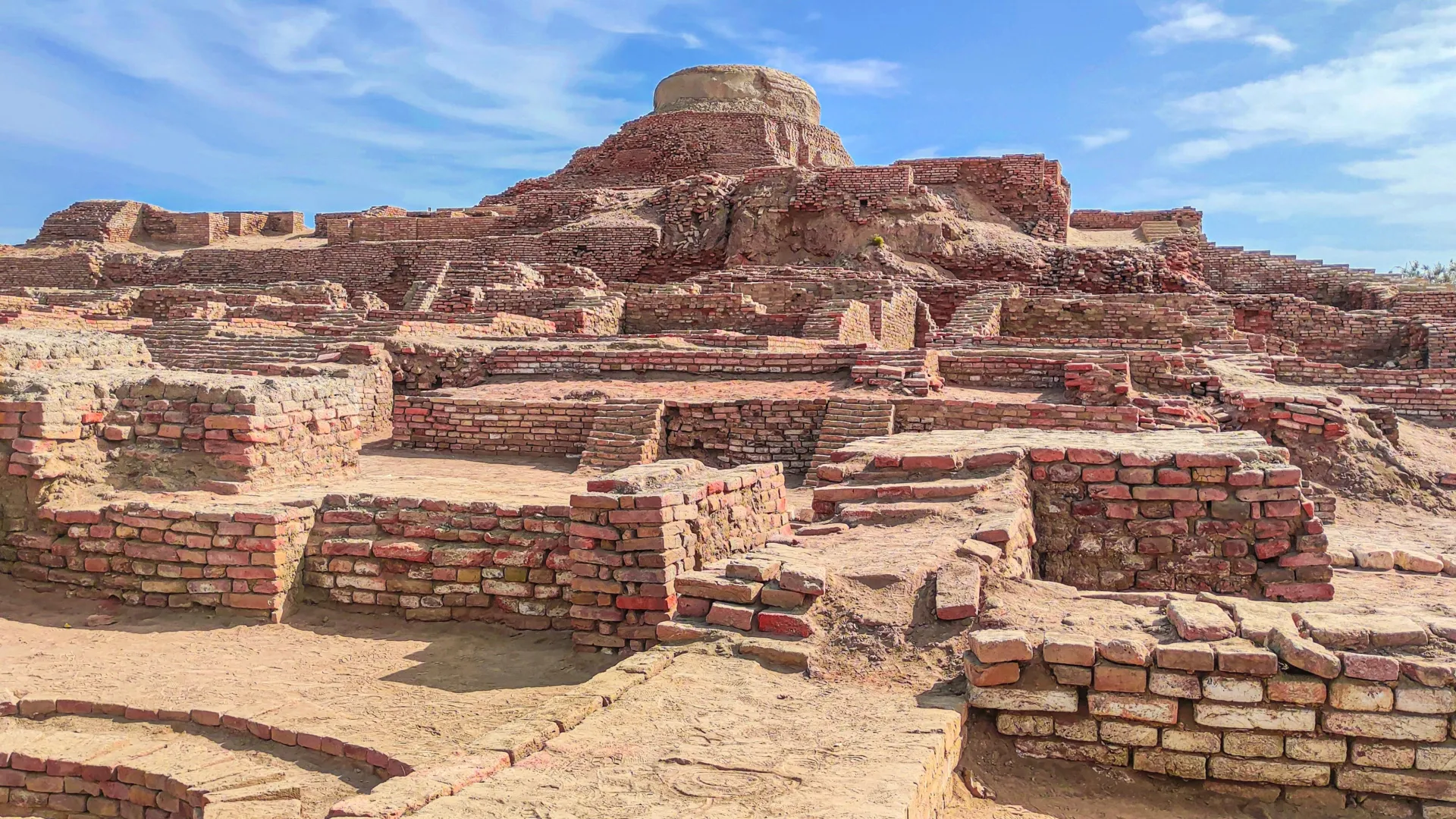
    New research suggests that Mohenjodaro followed a very different path than many other early cities. As the 4,000-year-old urban center grew larger, more productive, and more successful, its society appeared to grow more egalitarian.

    Historians have often argued that inequality increased as small agricultural settlements developed into cities. Under this traditional model, kings, priests, and other powerful leaders came to control wealth and resources, widening the gap between rich and poor.

    Ancient cities became more equal

    A York University study of Mohenjodaro, the largest city of the Indus Valley Civilization, points to the opposite pattern. The researchers examined differences in housing size across the city and found that as Mohenjodaro matured, wealth became more evenly distributed.

    The city also appears to have been more egalitarian than comparable societies in Mesopotamia and Greece. In Mohenjo-daro, we saw the difference in size between the largest and smallest homes shrink over time, rather than creating a dramatic difference between wealthy and ordinary households.

    Lead author Dr Adam Green, from the School of Archeology and Environmental Geography at the University of York, said: “The heritage data for ancient cities shows that as cities matured, the gap between the largest and smallest houses narrowed. Indeed, by late times, the wealth gap in this huge urban center had fallen to levels typical of the first rural villages.”

    “While the ancient Egyptians were building pyramids for their god-kings and the Greeks were building a huge palace at Knossos, the Indus peoples were building something completely different.

    “Instead of gold-filled tombs and gigantic temples, Mohenjo-daro focused on polished brick-lined drains and organized street layouts. Instead of allowing the perks of society to be accumulated by a small elite, city amenities were widely distributed to common households.”

    Drains and streets instead of palaces

    Mohenjodaro has put a lot of effort into practical features that will benefit more people. Carefully planned streets and advanced brick drainage systems demonstrate that resources were directed toward shared infrastructure rather than monuments glorifying rulers or religious elites.

    The distribution of Indus seals provides further evidence for this approach. These seals were important tools for trade and business, but archaeologists usually discover them inside ordinary homes rather than concentrating on public buildings. The city had no known palaces where rulers or ruling classes could control these means of commerce and government.

    This pattern suggests that wealth and authority were not monopolized by a single powerful leader. Rather, Mohenjodaro residents may have worked together to provide households with broader access to the resources necessary for a comfortable standard of living.

    Shared infrastructure and fair trade

    Continued investments in drainage, road maintenance, and other public services also reflect collective support for the city’s daily needs. Rather than primarily serving a small group at the top of society, these projects improved life across Mohenjo-Daro.

    Standardized systems of weights and measures used throughout the region may also support fairer trade. By providing merchants and residents with a common way to measure goods, this system helped create a more consistent exchange for everyone.

    Published in a magazine ancientthis finding casts doubt on the idea that inequality should increase with economic growth. Researchers argue that Mohenjo Daro shows how technologically advanced and productive societies can spread prosperity widely, rather than accumulating it among a small elite.

    Lessons from the Indus Valley Civilization

    Dr Green said: “Mohenjo-daro is often said to be famous for what it doesn’t have – no royal palaces, no gold-filled tombs, no statues of rulers – but what is there is very important.

    “Productivity appears to be rising during periods when inequality appears to be at its lowest. This challenges the idea that prosperity requires concentration of decision-making power in the hands of a few.

    “This is a very interesting lesson for modern society, because the Indus Valley Civilization clearly shows that urban societies can be productive and inventive on a large scale, while at the same time ensuring a fair share of resources and power. In fact, doing so may even have been essential to sustaining prosperity for centuries.”


    Source link

    Visited 20 times, 1 visit(s) today
    Share. Facebook Twitter Pinterest LinkedIn Telegram Reddit Email
    Previous ArticleScientists are using biological markers to take the guesswork out of depression treatment
    Next Article New ultrasound technology breaks blood-brain barrier to treat gliomas
    healthadmin

    Related Posts

    Navigating Divergences in 2025–2030 Dietary Guidelines vs AHA Statements for CVD Prevention

    October 27, 2026

    Navigating the 2025-2030 DGA: Evidence-Based Updates for Cardiometabolic Health

    October 17, 2026

    Navigating Evidence Gaps in the 2025-2030 Dietary Guidelines

    October 11, 2026

    Navigating Conflicting 2025 Dietary Guidelines for Metabolic Health

    October 10, 2026

    Navigating the 2025-2030 Dietary Guidelines for Cardiometabolic Prevention

    October 8, 2026

    Bridging the Gaps in 2025-2030 Dietary Guidelines for Metabolic Health

    September 22, 2026
    Add A Comment

    Comments are closed.

    Categories

    • Daily Health Tips
    • Discover
    • Environmental Health
    • Exercise & Fitness
    • Featured
    • Featured Videos
    • Financial Health & Stability
    • Fitness
    • Fitness Updates
    • Health
    • Health Technology
    • Healthy Aging
    • Healthy Living
    • Holistic Healing
    • Holistic Health & Wellness
    • Medical Research
    • Medical Research & Insights
    • Mental Health
    • Mental Wellness
    • Natural Remedies
    • New Workouts
    • Nutrition
    • Nutrition & Dietary Trends
    • Nutrition & Superfoods
    • Nutrition Science
    • Pharma
    • Preventive Healthcare
    • Professional & Personal Growth
    • Public Health
    • Public Health & Awareness
    • Selected
    • Sleep & Recovery
    • Top Programs
    • Weight Management
    • Workouts
    Popular Posts
    • 1773313737_bacteria_-_Sebastian_Kaulitzki_46826fb7971649bfaca04a9b4cef3309-620x480.jpgHow Sino Biological ProPure™ redefines ultra-low… March 12, 2026
    • pexels-david-bartus-442116The food industry needs to act now to cut greenhouse… January 2, 2022
    • 1773729862_TagImage-3347-458389964760995353448-620x480.jpgDespite safety concerns, parents underestimate the… March 17, 2026
    • 1774403998_image_28620e4b6b0047f7ab9154b41d739db1-620x480.jpgGait pattern helps distinguish between Lewy body… March 24, 2026
    • 1773209206_futuristic_techno_design_on_background_of_supercomputer_data_center_-_Image_-_Timofeev_Vladimir_M1_4.jpegMulti-agent AI systems outperform single models… March 11, 2026
    • Leukemia-620x480.jpgBiomimetic platform powers CAR T therapy for… March 9, 2026

    Demo
    Stay In Touch
    • Facebook
    • Twitter
    • Pinterest
    • Instagram
    • YouTube
    • Vimeo
    Don't Miss

    2026 Pharma Outlook: Key Trends for Pharmacologists and Executives

    By healthadminOctober 29, 2026

    Explore 2026 pharma trends including AI in drug discovery, regulatory shifts, and biopharma manufacturing investments for pharmacologists and executives.

    The Rising Stakes: Population Health Challenges Facing Epidemiologists and Policymakers in 2026

    October 28, 2026

    Navigating Divergences in 2025–2030 Dietary Guidelines vs AHA Statements for CVD Prevention

    October 27, 2026

    The Climate-Health Crisis: Why Environmental Scientists and Planners Must Act Now

    October 26, 2026

    Subscribe to Updates

    Get the latest creative news from SmartMag about art & design.

    HealthxMagazine
    HealthxMagazine

    At HealthX Magazine, we are dedicated to empowering entrepreneurs, doctors, chiropractors, healthcare professionals, personal trainers, executives, thought leaders, and anyone striving for optimal health.

    Our Picks

    The Climate-Health Crisis: Why Environmental Scientists and Planners Must Act Now

    October 26, 2026

    The Digital Health Imperative for Founders and Engineers in 2026

    October 25, 2026

    Navigating 2026 Mental Health Policy Changes: Immediate Impacts for Clinicians and Policymakers

    October 24, 2026
    New Comments
      Facebook X (Twitter) Instagram Pinterest
      • Home
      • Privacy Policy
      • Our Mission
      © 2026 ThemeSphere. Designed by ThemeSphere.

      Type above and press Enter to search. Press Esc to cancel.