


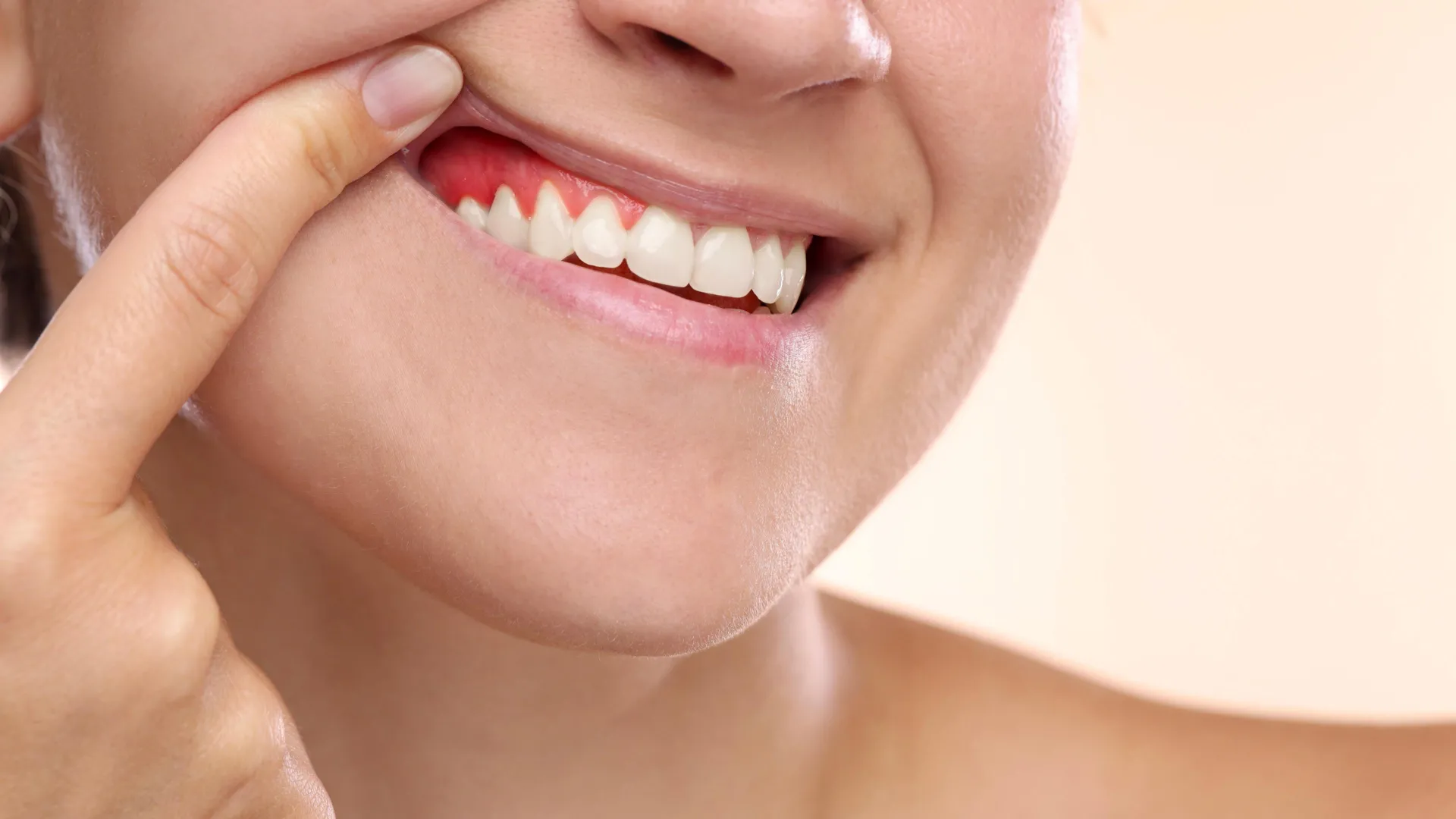
Brazilian researchers have developed a new biomaterial made from jackfruit latex, pomegranate peel extract, and simvastatin (a statin-based drug). This could provide a more effective way to treat periodontitis, a serious periodontal disease.
A team from the Faculty of Medicine and Health Sciences (FCMS) at the Pontifical Catholic University of São Paulo (PUC-SP) in Sorocaba developed the material as part of an effort to improve treatment options for conditions that affect the tissues that support teeth.
Periodontitis is a chronic inflammatory disease caused by infection. Over time, the structures that hold teeth in place can break down, leading to loss of bone mass and decreased attachment between teeth and surrounding tissue.
Current treatments are designed to control infection and inflammation, but generally do little to regenerate damaged periodontal tissue. Other approaches, such as guided tissue regeneration and bone grafting, have been considered, but the results are variable and often difficult to predict.
Combination of natural materials and medicine
To overcome these limitations, researchers have investigated natural bioactive substances that can address several aspects of the disease simultaneously.
“We began to think that latex extracted from jackfruit would be an interesting alternative because of its sticky nature. We thought that this could allow the latex to remain longer in areas affected by periodontitis, promoting a more targeted release of therapeutic compounds and potentially reducing the need for systemic use of antibiotics,” explains Professor Eliana Aparecida de Rezende Dueck of the FCMS Department of Surgery.
Duek coordinated this study, which was supported by FAPESP (projects 23/17083-8 and 23/12039-0) and published in the journal. polymer bulletin.
The researchers combined jackfruit latex with pomegranate peel extract, known for its antibacterial properties when applied topically, and simvastatin, an anti-inflammatory drug that has also been studied for its ability to stimulate bone formation. Together, these components formed a mucoadhesive matrix designed to act directly on injured tissue.
Using simvastatin in this manner may provide additional benefits. When taken orally, most of the drug is retained in the liver and only a small amount enters the bloodstream. As a result, higher doses are often required, increasing the risk of side effects such as acute muscle degeneration. Delivering drugs directly to the affected area could avoid that problem.
Testing jackfruit latex gel
To create the biomaterial, scientists manually collected latex from freshly harvested jackfruit and carefully purified it. Contains pomegranate peel extract as an ingredient.
The research team conducted a series of physicochemical and biological analyzes to better understand how the biomaterial is structured and how it behaves under laboratory conditions.
The researchers also in vitro Research using human adipose-derived stem cells. Simvastatin was added to the gel at concentrations of 0.3%, 0.6%, and 1.2%. These levels did not change the structure of the gel and were considered technically safe.
All three concentrations promoted osteoinduction, a process that encourages cells to grow into bone-forming tissue, within 14 days. The effect was even stronger after 21 days, supporting the potential of this material as a treatment for periodontitis.
Promote early results
“Overall, the results were very encouraging for us. We found that the developed biomaterials have great potential for future applications in the treatment of periodontitis and in other fields, especially since they include materials that have received little attention in the scientific literature for biomedical applications,” says Duek.
He cautions that additional research is still needed before the technology approaches clinical use.
“Despite these promising results, we continue to pursue new studies to more thoroughly evaluate the effectiveness and safety of the system,” she added.
