

Close Menu

    Subscribe to Updates

    Get the latest creative news from FooBar about art, design and business.

    What's Hot

    Scientists say most of what’s in our food is still a mystery

    June 17, 2026

    New surgical method reduces persistent knee arthritis pain without surgery

    June 17, 2026

    Research shows how career interests influence major life choices over decades

    June 17, 2026
    Facebook X (Twitter) Instagram
    Facebook X (Twitter) Instagram
    Health Magazine
    • Home
    • Environmental Health
    • Health Technology
    • Medical Research
    • Mental Health
    • Nutrition Science
    • Pharma
    • Public Health
    • Discover
      • Daily Health Tips
      • Financial Health & Stability
      • Holistic Health & Wellness
      • Mental Health
      • Nutrition & Dietary Trends
      • Professional & Personal Growth
    • Our Mission
    Health Magazine
    Home » News » There is no such thing as a free polymer. Bioplastic trade-offs.
    Environmental Health

    There is no such thing as a free polymer. Bioplastic trade-offs.

    healthadminBy healthadminMarch 3, 2026No Comments3 Mins Read
    There is no such thing as a free polymer. Bioplastic trade-offs.
    Share
    Facebook Twitter Reddit Telegram Pinterest Email


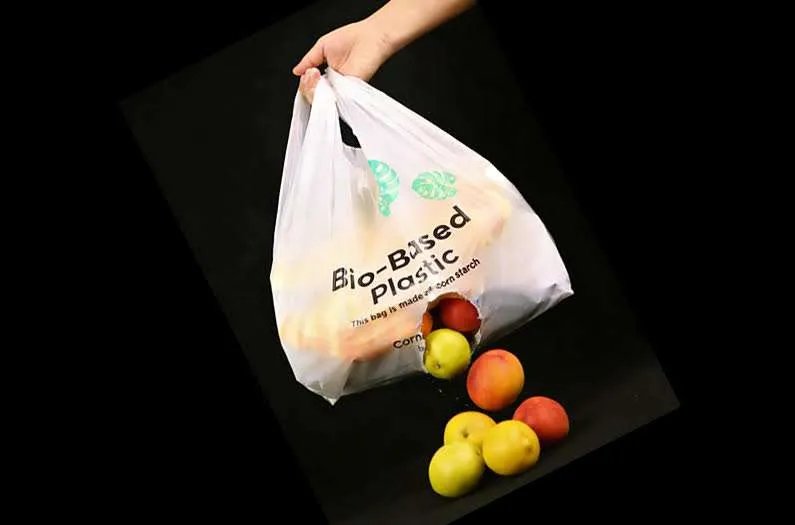
    Bio-based plastics made from materials such as sugarcane, corn and agricultural waste have a smaller carbon footprint than plastics made from petroleum, according to a new study. However, bio-based plastics have a significant impact on natural ecosystems.

    This study is the first comprehensive life cycle analysis comparing bio-based and fossil-based plastics. Researchers tracked the environmental impacts of the production, use, and disposal of five bio-based and seven fossil-based polymers. While most previous studies on bio-based plastics have emphasized their carbon footprint, the new study also covers impacts on ecosystem quality and human health.

    Another recent study found that replacing traditional plastics with compostable plastics involves environmental trade-offs. (Both bio-based and compostable plastics are promoted as greener versions of ubiquitous materials, but not all bio-based plastics are compostable, and not all compostable plastics are bio-based.)

    Similarly, new research reveals that bio-based plastics are not an environmental panacea. Rather, they create trade-offs between climate and biodiversity.

    Bio-based plastics have just over half the carbon footprint of fossil-based plastics. This is primarily because the plants from which bio-based plastics are made absorb carbon dioxide as they grow.

    However, the impact of bio-based plastics on ecosystem quality is several times greater than that of fossil-based plastics. The main reason is that growing these plants requires converting natural ecosystems into agricultural land. The impact of bio-based plastics on human health is also high due to the fertilizer and water required by crops.

    The environmental impact of bio-based plastics depends on what exactly the plastic is made of, but there are trade-offs here too. Plastics made from food crops such as corn and sugarcane have a greater ecological impact than plastics made from agricultural waste and other waste. However, making plastics from agricultural waste consumes more energy and is less efficient, undermining climate benefits.

    When it comes to end-of-life impacts, the ecological damage caused by improperly disposed of plastics depends on how long a particular polymer persists in the environment, not whether it is made from petroleum or plants.

    Moreover, even if all fossil-based plastics used in Europe were replaced with bio-based ones, the continued increase in demand would negate any climate benefits of the switch.

    According to calculations by the Intergovernmental Panel on Climate Change, Europe’s plastics industry needs to reduce its carbon footprint by the equivalent of 17 million tonnes of carbon dioxide by 2050. The researchers calculated that in a business-as-usual scenario, the impact would rise to 250 million tonnes. Even if we replaced all fossil-based plastics with bio-based plastics, we would still manage to limit our carbon footprint to 100 million tons.

    Simply switching from bio-based plastics to fossil-based plastics, while reducing demand for plastic packaging by about 3% per year, would bring the industry much closer to achieving the IPCC recommendations. Fortunately, this scenario would also reduce the ecological impact of bio-based plastics.

    “Our findings highlight the need to move beyond substitution alone,” the researchers wrote. “Ultimately, it is essential to reduce the demand for single-use packaging.”

    Source: Eladuani B. Others. “The transition to bio-based plastic packaging reveals complex trade-offs between climate and biodiversity.” nature communications 2026.

    Image: ©Anthropocene Magazine.


    Source link

    Visited 19 times, 1 visit(s) today
    Share. Facebook Twitter Pinterest LinkedIn Telegram Reddit Email
    Previous ArticleAtacama surprises: The world’s driest desert teems with hidden life
    Next Article Study finds weighted vest prevents metabolic decline during weight loss
    healthadmin

    Related Posts

    PFAS ‘forever chemicals’ may be linked to multiple sclerosis, especially in women

    June 16, 2026

    Top US lobbying groups profit from both sides of PFAS fight, report finds

    June 16, 2026

    Microplastics are ubiquitous in Pennsylvania waters, but the tide may be turning

    June 16, 2026

    Environmental groups criticize lax safety in Green Bay PCB removal work

    June 16, 2026

    Months after the jet fuel leak, no agency tested the water in the lower reaches of Piscataway Creek. So community groups are doing it themselves.

    June 16, 2026

    EPA’s PFAS withdrawal is a ‘slap in the face,’ says North Carolina advocate

    June 16, 2026
    Add A Comment

    Comments are closed.

    Categories

    • Daily Health Tips
    • Discover
    • Environmental Health
    • Exercise & Fitness
    • Featured
    • Featured Videos
    • Financial Health & Stability
    • Fitness
    • Fitness Updates
    • Health
    • Health Technology
    • Healthy Aging
    • Healthy Living
    • Holistic Healing
    • Holistic Health & Wellness
    • Medical Research
    • Medical Research & Insights
    • Mental Health
    • Mental Wellness
    • Natural Remedies
    • New Workouts
    • Nutrition
    • Nutrition & Dietary Trends
    • Nutrition & Superfoods
    • Nutrition Science
    • Pharma
    • Preventive Healthcare
    • Professional & Personal Growth
    • Public Health
    • Public Health & Awareness
    • Selected
    • Sleep & Recovery
    • Top Programs
    • Weight Management
    • Workouts
    Popular Posts
    • 1773313737_bacteria_-_Sebastian_Kaulitzki_46826fb7971649bfaca04a9b4cef3309-620x480.jpgHow Sino Biological ProPure™ redefines ultra-low… March 12, 2026
    • pexels-david-bartus-442116The food industry needs to act now to cut greenhouse… January 2, 2022
    • 1773729862_TagImage-3347-458389964760995353448-620x480.jpgDespite safety concerns, parents underestimate the… March 17, 2026
    • 1774403998_image_28620e4b6b0047f7ab9154b41d739db1-620x480.jpgGait pattern helps distinguish between Lewy body… March 24, 2026
    • 1773209206_futuristic_techno_design_on_background_of_supercomputer_data_center_-_Image_-_Timofeev_Vladimir_M1_4.jpegMulti-agent AI systems outperform single models… March 11, 2026
    • the-pros-and-cons-of-paleo-dietsThe Pros and Cons of Paleo Diets: What Science Really Says April 16, 2025

    Demo
    Stay In Touch
    • Facebook
    • Twitter
    • Pinterest
    • Instagram
    • YouTube
    • Vimeo
    Don't Miss

    Scientists say most of what’s in our food is still a mystery

    By healthadminJune 17, 2026

    When scientists sequenced the human genome in 2003, deciphering the entire human genetic code, many…

    New surgical method reduces persistent knee arthritis pain without surgery

    June 17, 2026

    Research shows how career interests influence major life choices over decades

    June 17, 2026

    Engineers identify usability barriers in workplace exoskeleton systems

    June 17, 2026

    Subscribe to Updates

    Get the latest creative news from SmartMag about art & design.

    HealthxMagazine
    HealthxMagazine

    At HealthX Magazine, we are dedicated to empowering entrepreneurs, doctors, chiropractors, healthcare professionals, personal trainers, executives, thought leaders, and anyone striving for optimal health.

    Our Picks

    Engineers identify usability barriers in workplace exoskeleton systems

    June 17, 2026

    10 surprising connections between diabetes and dementia

    June 17, 2026

    Scientists have discovered hidden clues to early depression in children’s eyes

    June 17, 2026
    New Comments
      Facebook X (Twitter) Instagram Pinterest
      • Home
      • Privacy Policy
      • Our Mission
      © 2026 ThemeSphere. Designed by ThemeSphere.

      Type above and press Enter to search. Press Esc to cancel.