


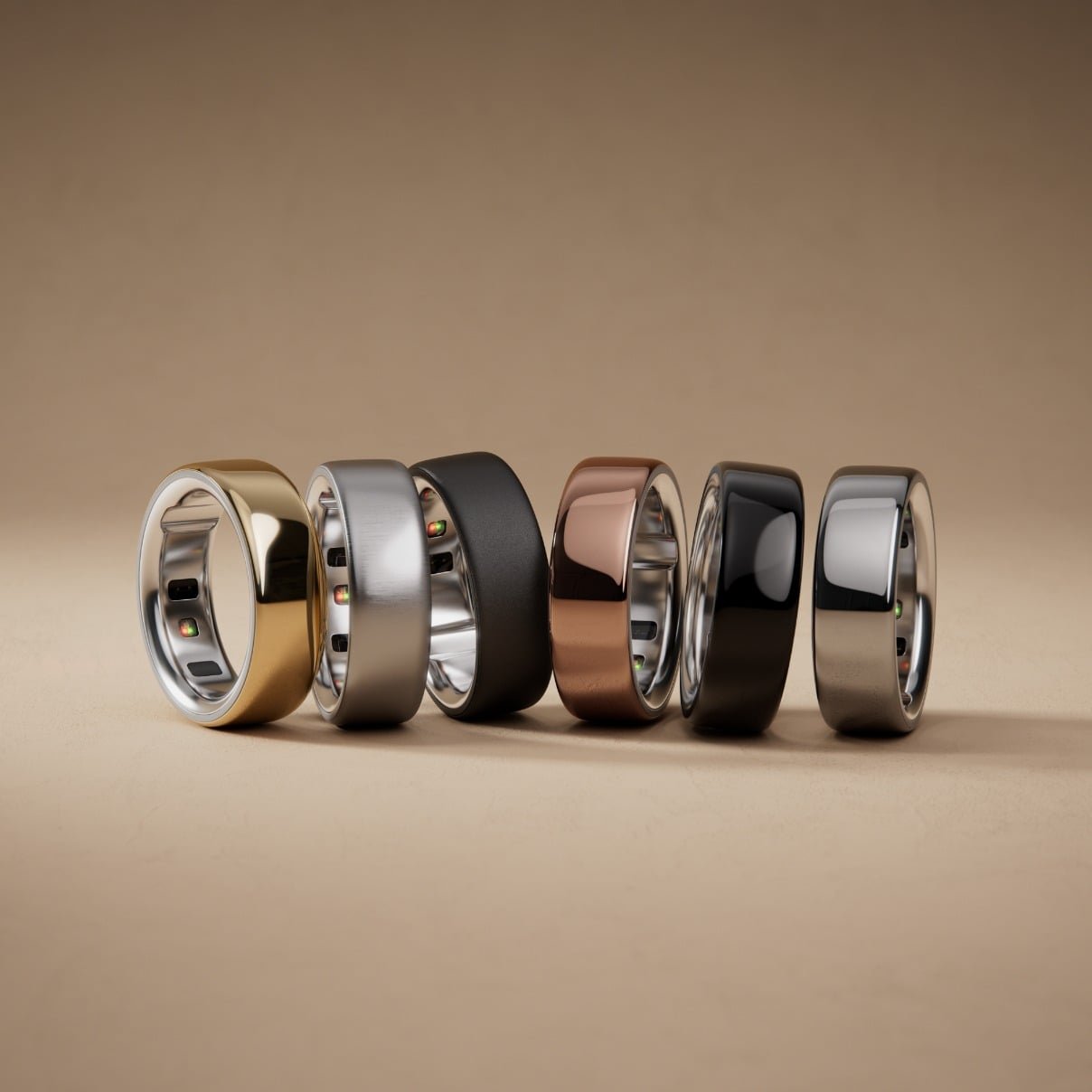
Smart ring maker Oura secretly filed for an initial public offering after reaching a valuation of $11 billion last year.
The company announced on May 21 that it has filed a draft registration statement with the Securities and Exchange Commission. The number of shares to be offered and the price range for the proposed offering have not yet been determined. The company said the initial public offering is subject to market and other conditions and will occur after the SEC completes its review process.
Founded in Finland in 2013, Oura’s smart ring continuously tracks more than 50 health metrics, including heart rate, sleep, daily movement and activity, stress, fertility range, and metabolic health.
The company is on track to surpass 5 million paid members this quarter, a fourfold increase in the past two years. The preventive health company announced last fall that it had sold 5.5 million smart rings since 2015, with nearly 3 million of those sold in 2025.
Strong sales of smart rings are driving the company’s explosive revenue growth, with total revenue quadrupling in the past two fiscal years, the company said.
Mr. Oura said he invested the gross profits into the business.
The company says it expects to reach $1 billion in combined device and app subscription revenue by 2025. Oura CEO Tom Hale told CNBC that Oura will generate nearly $2 billion in revenue in 2026.
The wearable brand also boasts strong customer retention rates, with 80% of members reportedly renewing their membership after one year. Oura Ring is currently available at more than 4,600 retailers worldwide and partners with more than 1,200 organizations across health, wellness and commercial brands.
“We have evolved beyond tracking to provide actionable health intelligence that helps people better understand their bodies and make more informed decisions for their long-term health,” Hale said in a statement last week.
“Oura’s continued growth, especially at this scale, highlights not only the strength and sustainability of our business, but also the size of the preventive health market in which we compete,” David Schuman, chairman of Oura’s board of directors, said in a statement.
The wearables maker raised $900 million in Series E funding in October, raising its valuation to $11 billion. It has raised more than $1.5 billion to date. The company will use the funding to build artificial intelligence into its products, expand global distribution and develop new health features.
Oura has expanded its capabilities beyond activity tracking and sleep to further focus on preventive health, building more advanced features and AI-powered personalized health insights. A year ago, the company introduced an AI-powered health coach called Oura Advisor. The coach uses health-sensing algorithms and large-scale language models to analyze member data and biometrics to provide personalized and contextual health guidance.
In collaboration with Quest Diagnostics, Oura developed a health panel feature that allows members to schedule blood tests, track key biomarkers, and view test results directly in the Oura app.
Oura Ring also now measures cumulative stress, providing members with insight into how the body deals with and recovers from sustained stress. This app also provides a cardiovascular age score.
In April, the company acquired Galen AI, a company that connects medical record data with laboratory and drug information.
Oura’s technology is evolving wearables “from passive trackers to trusted early warning systems that help people take proactive steps toward long-term health,” executives said in October. Oura’s purpose is to use data and insights to help members connect the dots to health trends.
The company has invested deeply in women’s health with new features in hormonal contraception, menopause, cycle tracking, fertility and pregnancy. Last year, we launched pregnancy insights and a perimenopause check-in tool to help members assess their symptoms and connect directly to care. This builds on existing capabilities for women that use biomarker data to provide insights into menstrual cycles, fertility ranges, and period prediction.
Oura also partners with women’s health companies Midi Health, Evernow, Maven Clinic, and Progyny.
The company says its smart rings have tracked more than 26 million cycles and its members have recorded more than 350,000 pregnancies.
Earlier this year, Oura announced a unique large-scale language model designed for women’s health. The company says the model is based on a broad foundation of established medical standards, research, and knowledge sources reviewed by Oura’s in-house team of board-certified clinicians and women’s health experts, while also integrating biosignals and long-term trends. The company claims it takes a privacy-first approach to AI, as models are hosted entirely on infrastructure managed by Oura and conversations are never shared or sold.
Wearable companies are also building relationships with health plans by digging deeper into the relationship between sleep habits and chronic disease. We have entered into a unique partnership with Essence Healthcare, a Medicare Advantage plan provider, to provide the Oura Ring device and its app free of charge to some MA plan members. Oura initially launched the program for Essence’s PPO plan members, but over the past year it has grown to include HMO plans as well.
The initiative started with sleep health, with members showing improvements in their sleep scores. This has implications in other areas as well, including increased time for light exercise, Essence executives told Fierce Healthcare.
Dorothy Kilroy, Oura’s chief commercial officer, told Fierce that having early adopters like Essence is important for the company to continue to improve its position in healthcare and expand easy access to its devices.
