


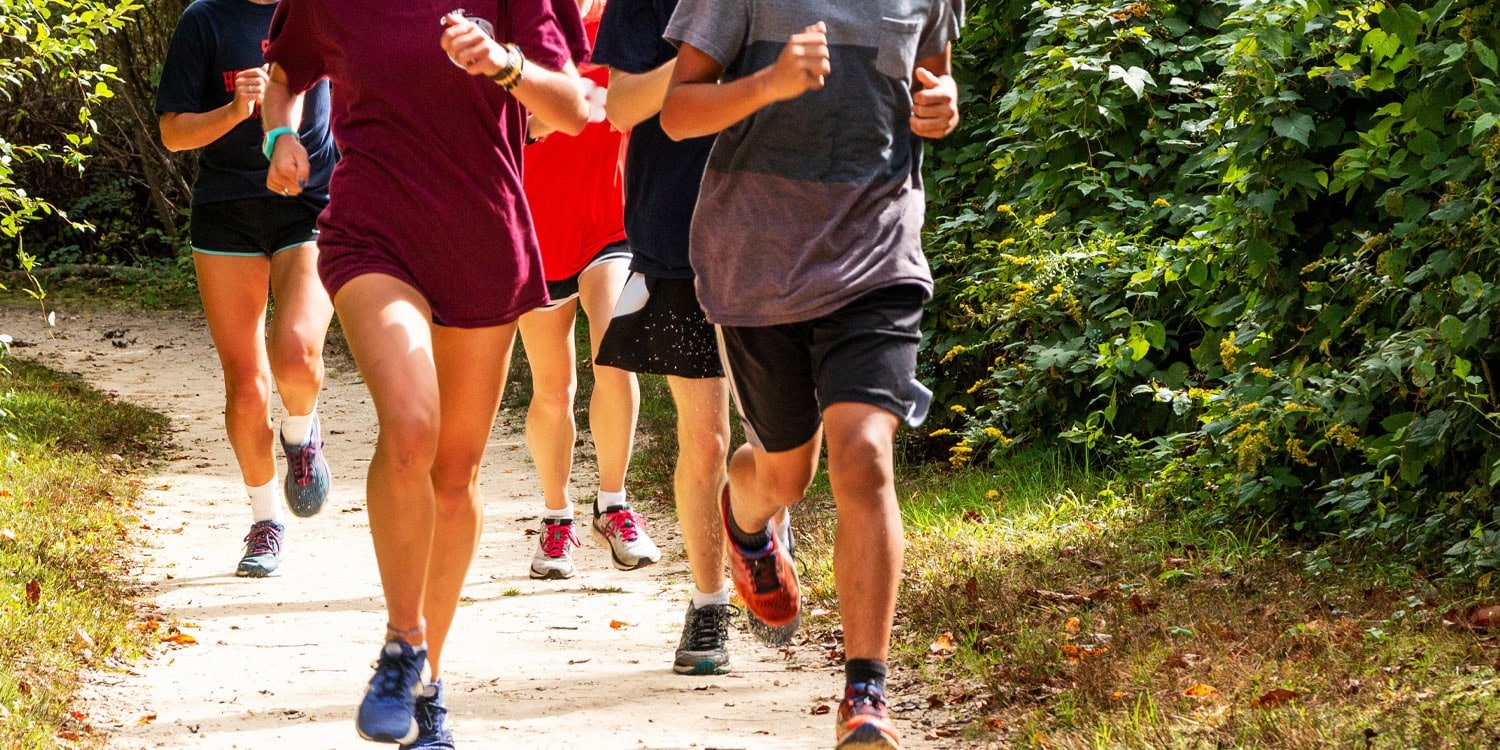
Mind-body practices like aerobic exercise and yoga can reduce anxiety and temporarily boost your mood, but they require your heart to beat to trigger the release of certain biomolecules. These results, published in the journal Psychoneuroendocrinology, show that while diverse workout routines offer psychological benefits, the underlying internal processes differ depending on the activity.
Physical activity triggers a cascade of physiological responses throughout the human body. Among these responses is the release of excelkine, a signaling molecule secreted into the bloodstream by tissues during exercise. Researchers study these molecules to understand exactly how working out improves mental health and cognitive function.
The two main categories of exerkines are endocannabinoids and a protein called brain-derived neurotrophic factor (often abbreviated to BDNF). Endocannabinoids, primarily molecules known as AEA and 2-AG, bind to the same nervous system receptors as the active compounds in cannabis. These naturally produced chemicals help regulate pain, mood, and stress responses.
BDNF protein supports the survival of existing neurons and promotes the growth of new connections in the brain. Mental health professionals often seek to harness these biological mechanisms to aid in treatment. Therapists use interventions such as exposure therapy to help patients overcome severe anxiety. This process requires the brain to form new, safe memories. Scientists are studying whether a short period of exercise immediately after a therapy session floods the brain with excelcaine and helps solidify those memories.
These body chemicals are thought to be responsible for the euphoric feeling commonly known as runner’s high. Baseline levels of these molecules frequently change in people with mental illnesses such as post-traumatic stress disorder and major depressive disorder. These people also tend to have smaller biological responses to behavioral interventions, suggesting that changes in chemical signaling are involved in psychological distress. Restoring this balance through exercise offers a promising avenue for psychiatric treatment.
Previous studies have shown that sweating during moderate aerobic exercise reliably increases circulating execaine levels. Less is known about whether alternative, lower-impact activities result in similar physiological facilitation. Some clinical populations face physical or motivational barriers that prevent them from participating in traditional cardiovascular training. This makes accessible options like yoga very attractive for psychiatric treatment plans.
A team of researchers sought to address this gap by directly comparing the psychological and biological effects of specific exercise methods. John Lelli, a researcher at the University of Texas at Austin’s Dell School of Medicine, led the project with colleagues from the University of Texas and the University of Alabama. They wanted to measure state affect, which refers to a person’s immediate emotional experience, along with changes in circulating levels of excelkine.
The study involved 88 young adult participants who were randomly assigned to one of two experimental groups. One group participated in aerobic exercise and the other group participated in a mind-body routine. Participants in the aerobic group completed two separate 30-minute sessions on a stationary bike and returned to the lab after a one-week delay.
During a single cycling session, subjects pedaled with moderate resistance and maintained their heart rate at approximately 70-75% of their maximum capacity. In another session, participants pedaled slowly without resistance while keeping their heart rates below half their maximum.
The mind-body group followed a parallel schedule and completed two different 30-minute routines according to pre-recorded videos. One session featured a low-intensity posture-based yoga practice that included mindfulness cues, breath awareness, and a final relaxation period. The alternative routine consisted of only basic stretching exercises without any meditation instructions.
The researchers asked participants to rate their momentary anxiety levels and positive and negative emotional states before and after the exercise. Medical staff also measured participants’ blood pressure and drew blood via venipuncture. Laboratory technicians then analyzed these blood samples to detect the exact concentrations of AEA, 2-AG, and BDNF.
By collecting blood at well-defined intervals, the team was able to capture the immediate biological effects of the activity. Venipuncture was performed in a designated phlebotomy room within the laboratory to minimize external stress that could skew the results. The samples were then processed in a centrifuge and cryogenically frozen before being sent to a specialized laboratory in Germany for rigorous analysis. This biological tracking allows us to look deeper into the body than psychological research alone.
The protocol also featured specialized cognitive tasks to test learning and memory. Before getting on a stationary bike or yoga mat, participants looked at images on a computer screen and learned to associate certain visual situations with the likelihood of receiving a mild physical shock.
After completing the workout and providing a second blood sample, participants completed a follow-up assessment. They had to recognize the previous context without explicit labels and recall which images were novel or familiar. The researchers included this step to see if the chemical changes brought about by physical activity facilitate memory consolidation.
Analyzing blood samples, Leli and his team found that only moderate-intensity cycling sessions clearly changed endocannabinoid levels. After continuous heart-pounding training, the concentration of AEA in the bloodstream increased. Low-intensity cycling, yoga, and stretching did not produce measurable changes in AEA.
The scientists observed no changes in the other endocannabinoid, 2-AG, under any of the experimental conditions. Even moderate aerobic sessions failed to increase this particular molecule. Levels of BDNF protein were similarly unaffected by all four routines, contradicting previous research that noted a spike in BDNF immediately after moderately intense training.
Although biological signals varied, psychological rewards were far more universal. All four activities effectively reduced overall negative affect and state anxiety. Just 30 minutes of physical activity, regardless of format or intensity, helped participants decompress.
Positive emotions showed a slightly different pattern. Moderate cycling, yoga flow, and stretching routines all increased participants’ positive emotional states. In contrast, the low-intensity cycling group did not show statistically significant improvements in positive emotions.
The data also revealed a link between changes in the excelkine molecule and mood. Among participants who experienced the greatest increase in circulating AEA, researchers recorded a concomitant increase in positive emotional states. Neither endocannabinoid nor BDNF levels showed any relationship to participants’ performance on memory tests.
The researchers expected that those with the highest excelkine levels would show superior memory retention during appraisals of contextual threat. However, the data revealed no relationship between biological markers in the body and cognitive performance. The researchers believe that the short time between initial learning and follow-up testing may have hindered their ability to detect actual retention effects. A true integration process often takes place over days rather than hours.
The authors highlighted several underlying factors that may explain some of the unexpected biological results. The lack of BDNF response during moderate aerobic sessions may be related to the specific duration of training. This protocol required 20 minutes of continuous moderate exercise, which may be too short to trigger the metabolic triggers required for protein release.
Additionally, the yoga routines provided are intentionally designed to be gentle and accessible to people of all fitness levels. Traditional yoga includes a wide range of practices, and strenuous sequences can create completely different physiological demands. The current findings specifically reflect a low-impact session, rather than a tiring, sweaty flow.
Leli and colleagues suggest that future studies should test more intense yoga routines to see if they can match the cardiovascular strain of moderate cycling. Expanding the study population to include older adults and people with certain mental illnesses could also help scientists adjust exercise recommendations. To maximize the mental health benefits of physical activity, different populations may require tailored exercise prescriptions.
The study, “The Contribution of Yoga and Aerobic Exercise to Acute Changes in State Emotion, Circulating BDNF and eCB Concentrations, and Memory,” was authored by John Leri, Kevin M. Crombie, Luna Malloy, Lily Wang, Paige Broski, and Josh M. Cisler.
