


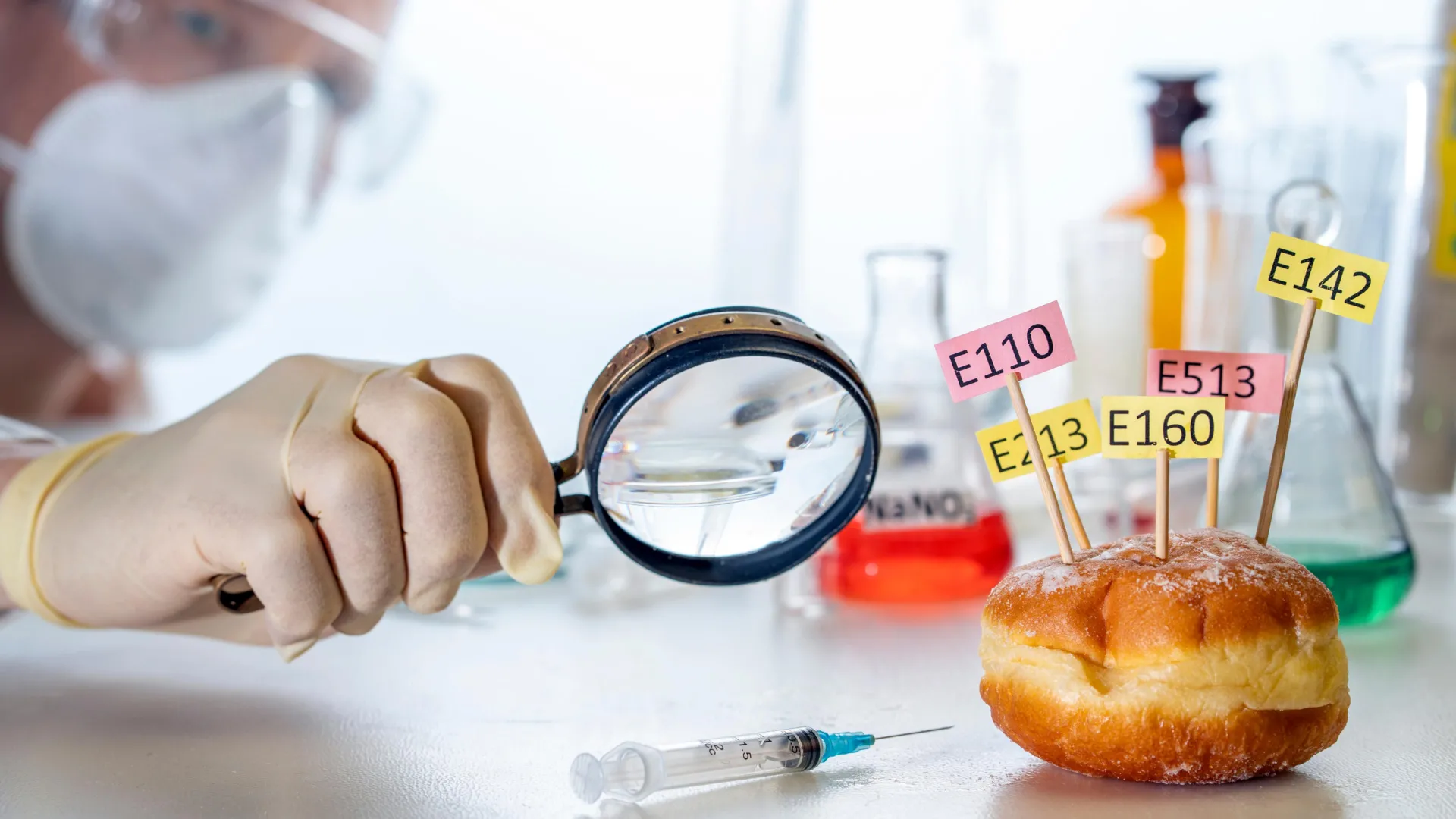
When scientists sequenced the human genome in 2003, deciphering the entire human genetic code, many hoped it would unlock the secrets of disease. However, genetics only explain about 10% of the risk. The other 90% is environmental, and diet plays a big role.
Around the world, approximately one in five adults over the age of 25 die from poor diets. In Europe, cardiovascular diseases account for almost half of deaths.
But despite decades of advice to eat less fat, salt and sugar, obesity and diet-related diseases continue to rise. Clearly, something is missing in the way we think about food.
For many years, nutrition was often framed in very simple terms: food as fuel and nutrients as building blocks for the body. Proteins, carbohydrates, fats, vitamins, and a total of about 150 known chemicals dominate the picture. But scientists now estimate that our diet actually supplies more than 26,000 compounds, most of which are still unknown.
Astronomy provides a useful comparison here. Astronomers know that dark matter makes up about 27% of the universe. You can’t see it directly because it doesn’t emit or reflect light, but the effect of gravity tells you it must exist.
Nutritional science faces something similar. The majority of chemicals in food are invisible from a research perspective. We ingest them every day but know little about what they do.
Some experts refer to these unknown molecules as “nutrient dark matter.” It’s a reminder that just as the universe is filled with hidden forces, so too is our diet filled with hidden chemicals.
When researchers analyze diseases, they examine vast numbers of foods, and often none of the associations match any known molecules. This is nutritional dark matter, the unmapped and unstudied compounds that we consume every day. Some promote good health, while others increase the risk of disease. The challenge is to find out which one does what.
food mix
The field of foodomics aims to do just that. It brings together genomics (the role of genes), proteomics (proteins), metabolomics (cellular activity), and nutrigenomics (the interaction between genes and diet).
These approaches are beginning to reveal how diet interacts with the body in ways that go far beyond calories and vitamins.
For example, consider the Mediterranean diet (rich in fruits, vegetables, whole grains, legumes, nuts, olive oil, and fish, and low in red meat and sweets), which is known to reduce the risk of heart disease.
But why does it work? One clue lies in a molecule called TMAO (trimethylamine N-oxide), which is produced when gut bacteria metabolize compounds found in red meat and eggs. High levels of TMAO increase the risk of heart disease. However, garlic, for example, contains substances that inhibit its production. This is an example of how diet can tip the balance between health and harm.
Intestinal bacteria also play an important role. Once the compounds reach the colon, microbes convert them into new chemicals that can affect inflammation, immunity, and metabolism.
For example, ellagic acid, found in various fruits and nuts, is converted into urolithins by gut bacteria. These are a group of natural compounds that help keep your mitochondria (your body’s energy factories) healthy.
This shows that food is a complex web of interacting chemicals. One compound can affect many biological mechanisms, and that compound can in turn affect many other biological mechanisms. Diet can even turn genes on and off through epigenetics, or changes in gene activity that don’t change the DNA itself.
History provides clear examples of this. For example, children born to mothers who endured famine in the Netherlands during World War II were more likely to develop heart disease, type 2 diabetes, and schizophrenia later in life. Decades later, scientists discovered that what mothers ate, or didn’t eat, during pregnancy changed their gene activity.
Mapping the world of food
Projects such as the Foodome project are currently attempting to catalog this hidden chemical universe. More than 130,000 molecules have already been listed that link food compounds to human proteins, gut bacteria, and disease processes. The aim is to build an atlas of how diet interacts with the body and pinpoint which molecules are really important for health.
Understanding nutritional dark matter promises to answer questions that have long frustrated nutrition science. Why do certain diets work for some people but not others? Why do foods sometimes prevent disease and sometimes promote disease? Which food molecules can be used to develop new drugs or new foods?
We are still at the starting point. But the message is clear. The food on our plates is not just calories and nutrients, but a vast chemical landscape that we are only beginning to chart. Just as mapping cosmic dark matter is changing the way we view the universe, understanding nutritional dark matter could change the way we eat, treat disease, and understand health itself.
