

Close Menu

    Subscribe to Updates

    Get the latest creative news from FooBar about art, design and business.

    What's Hot

    Parkinson’s disease drugs may reduce anhedonia in treatment-resistant depression

    June 13, 2026

    Research reveals that we unconsciously filter emotionally negative words

    June 13, 2026

    Gut microbiota may determine the severity of bone loss in primary hyperparathyroidism

    June 13, 2026
    Facebook X (Twitter) Instagram
    Facebook X (Twitter) Instagram
    Health Magazine
    • Home
    • Environmental Health
    • Health Technology
    • Medical Research
    • Mental Health
    • Nutrition Science
    • Pharma
    • Public Health
    • Discover
      • Daily Health Tips
      • Financial Health & Stability
      • Holistic Health & Wellness
      • Mental Health
      • Nutrition & Dietary Trends
      • Professional & Personal Growth
    • Our Mission
    Health Magazine
    Home » News » Scientists discover surprising link between cancer and Alzheimer’s disease
    Nutrition Science

    Scientists discover surprising link between cancer and Alzheimer’s disease

    healthadminBy healthadminJune 12, 2026No Comments4 Mins Read
    Scientists discover surprising link between cancer and Alzheimer’s disease
    Share
    Facebook Twitter Reddit Telegram Pinterest Email


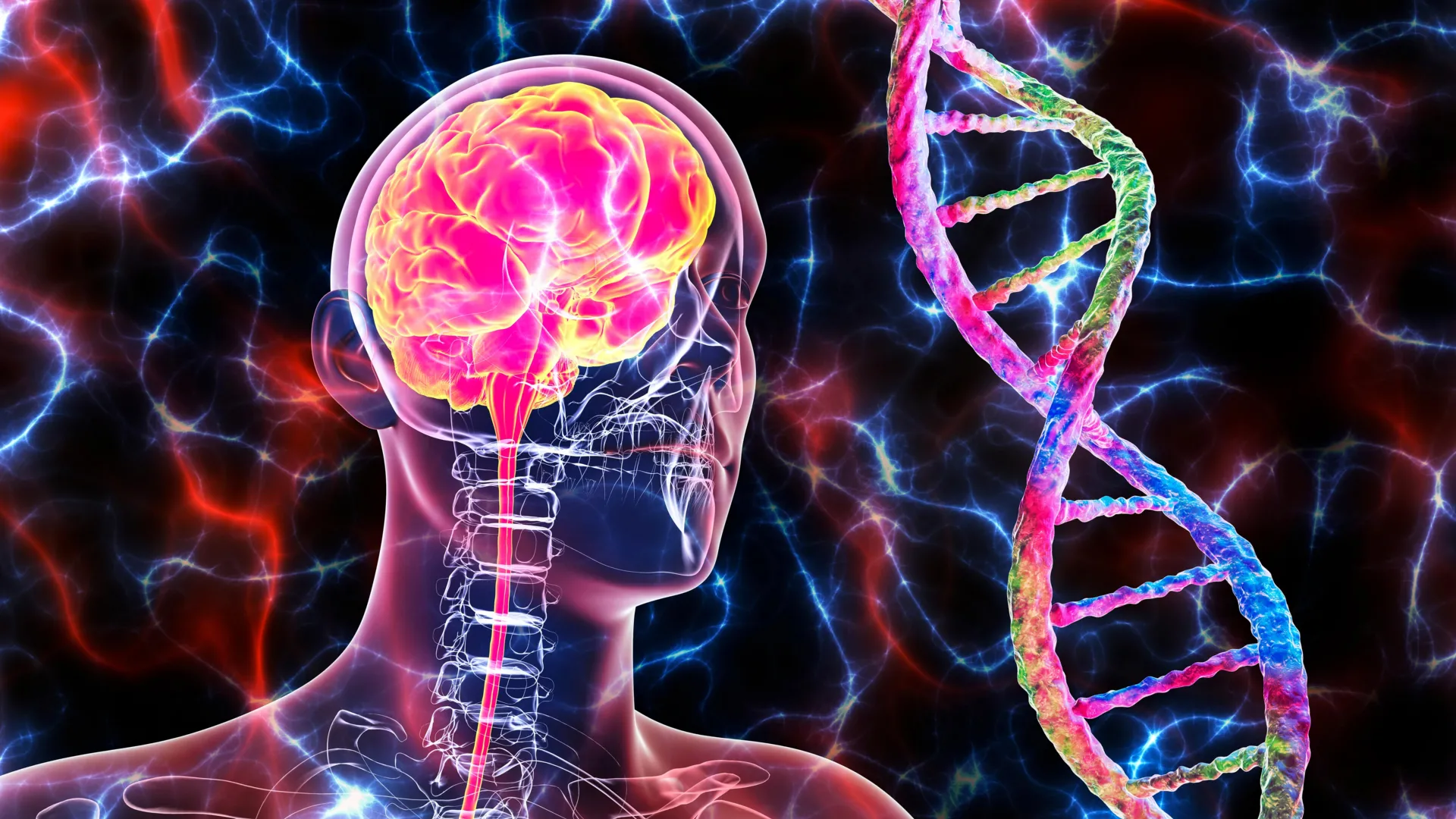
    As people age, cells steadily acquire new genetic mutations. Research at Boston Children’s Hospital celland in the process an unexpected development was revealed. Researchers have discovered that microglia, immune cells found in the brain, accumulate mutations in certain cancer-causing genes. However, rather than causing cancer, these mutations may contribute to the development of Alzheimer’s disease.

    The study was led by Christopher Walsh, M.D., chief of the Genetics and Genomics Division at Boston Children’s Hospital and a Howard Hughes Medical Institute investigator. Collaborators included Dr. Alice Eun-Jung Lee and Dr. August Yue Huang, also from the Department of Genetics and Genomics. All three are professors at Harvard Medical School and associate members of a wide range of research institutes at MIT and Harvard.

    The research team says the discovery could point to new ways to diagnose and treat Alzheimer’s disease.

    “We now know that Alzheimer’s disease is in some ways similar to cancer; it is caused by the same mutations that cause blood cancers such as lymphoma and leukemia,” Professor Walsh said. “This is helpful because there are many cancer-fighting drugs, some of which may help treat Alzheimer’s disease.”

    Cancer driver mutations found in Alzheimer’s disease brains

    For the study, researchers analyzed 149 cancer-promoting genes in brain tissue samples from 190 people with Alzheimer’s disease and compared them with brain samples from 121 healthy people.

    Alzheimer’s disease samples contained more single-letter DNA changes than healthy tissue. Many of these changes appeared repeatedly in the same five cancer driver genes, suggesting that microglia accumulate mutations in specific sets of genes.

    Microglia act as the brain’s cleaners. These cells remove debris and help remove infected, damaged, or dying cells. Scientists have long believed that microglia, unlike many other immune cells circulating in the bloodstream, are confined to the brain and do not cross the blood-brain barrier.

    An unexpected connection between blood cells and the brain

    Mutations identified in microglia are commonly associated with blood cancers. This observation led researchers to look for the same mutations in blood samples from Alzheimer’s patients.

    They didn’t expect to find them.

    Instead, blood cells from the same Alzheimer’s patients had the same cancer-associated mutations.

    “This was actually a really unexpected finding that suggests a completely new mechanism for the development of Alzheimer’s disease,” Professor Huang said. “This finding means that immune cells in the blood that carry cancer mutations may be able to enter the brain and cause disease.”

    How mutant immune cells drive Alzheimer’s disease

    Researchers propose that age and injury weaken the blood-brain barrier, allowing immune cells from the bloodstream to invade the brain. Once there, these cells can transform into microglia-like cells.

    At the same time, the protein clumps that accumulate in the brain cause microglia to proliferate and respond. Cells with biological advantages, such as microglial-like cells with cancer-associated mutations, are more likely to proliferate.

    According to the researchers, these mutant cells can create a more inflammatory and harmful environment than healthy microglia. As a result, nearby neurons become damaged and die, which can contribute to the progression of Alzheimer’s disease.

    Possibility of testing and treatment for new Alzheimer’s disease

    This discovery could ultimately lead to new approaches to detecting Alzheimer’s disease risk.

    “Because it is difficult to access brain tissue from living patients, we may be able to develop genetic screens using blood samples to test whether a person has these mutations and is at increased risk of developing Alzheimer’s disease,” Lee said.

    In a follow-up study posted as a preprint on bioRxiv, Huang and Lee found additional evidence supporting this association. Their analysis showed that cancer driver mutations detected in blood samples increased the risk of Alzheimer’s disease, independent of APOE4, which is an established genetic risk factor for Alzheimer’s disease.

    The study was conducted in collaboration with the Icahn School of Medicine at Mount Sinai. Funding was provided by the Howard Hughes Medical Institute, the National Institute on Aging, the NIH Common Fund through the Somatic Mosaicism Across Human Tissues (SMaHT) consortium, and the Xu Jingpei Foundation (SUHF).


    Source link

    Visited 5 times, 1 visit(s) today
    Share. Facebook Twitter Pinterest LinkedIn Telegram Reddit Email
    Previous ArticleList of 2026 Medical, Healthcare, and Health Tech Conferences
    Next Article Giant underground neutrino detector brings scientists closer to solving neutrino puzzle
    healthadmin

    Related Posts

    Giant underground neutrino detector brings scientists closer to solving neutrino puzzle

    June 12, 2026

    These tiny holes could change the way the world purifies water

    June 12, 2026

    Stanford University scientists have made a major breakthrough in regenerating lost cartilage and reversing arthritis.

    June 12, 2026

    Can fasting fight periodontal disease? Scientists discover surprising link

    June 12, 2026

    Alaska’s glaciers show a surprising response to rising temperatures

    June 12, 2026

    2025–2030 Dietary Guidelines: Core Recommendations and Metabolic Health Implications

    June 12, 2026
    Add A Comment
    Leave A Reply Cancel Reply

    Categories

    • Daily Health Tips
    • Discover
    • Environmental Health
    • Exercise & Fitness
    • Featured
    • Featured Videos
    • Financial Health & Stability
    • Fitness
    • Fitness Updates
    • Health
    • Health Technology
    • Healthy Aging
    • Healthy Living
    • Holistic Healing
    • Holistic Health & Wellness
    • Medical Research
    • Medical Research & Insights
    • Mental Health
    • Mental Wellness
    • Natural Remedies
    • New Workouts
    • Nutrition
    • Nutrition & Dietary Trends
    • Nutrition & Superfoods
    • Nutrition Science
    • Pharma
    • Preventive Healthcare
    • Professional & Personal Growth
    • Public Health
    • Public Health & Awareness
    • Selected
    • Sleep & Recovery
    • Top Programs
    • Weight Management
    • Workouts
    Popular Posts
    • 1773313737_bacteria_-_Sebastian_Kaulitzki_46826fb7971649bfaca04a9b4cef3309-620x480.jpgHow Sino Biological ProPure™ redefines ultra-low… March 12, 2026
    • pexels-david-bartus-442116The food industry needs to act now to cut greenhouse… January 2, 2022
    • 1773729862_TagImage-3347-458389964760995353448-620x480.jpgDespite safety concerns, parents underestimate the… March 17, 2026
    • 1774403998_image_28620e4b6b0047f7ab9154b41d739db1-620x480.jpgGait pattern helps distinguish between Lewy body… March 24, 2026
    • 1773209206_futuristic_techno_design_on_background_of_supercomputer_data_center_-_Image_-_Timofeev_Vladimir_M1_4.jpegMulti-agent AI systems outperform single models… March 11, 2026
    • the-pros-and-cons-of-paleo-dietsThe Pros and Cons of Paleo Diets: What Science Really Says April 16, 2025

    Demo
    Stay In Touch
    • Facebook
    • Twitter
    • Pinterest
    • Instagram
    • YouTube
    • Vimeo
    Don't Miss

    Parkinson’s disease drugs may reduce anhedonia in treatment-resistant depression

    By healthadminJune 13, 2026

    For many people who suffer from depression, the condition means more than just feeling down,…

    Research reveals that we unconsciously filter emotionally negative words

    June 13, 2026

    Gut microbiota may determine the severity of bone loss in primary hyperparathyroidism

    June 13, 2026

    Sleep quality appears to influence political behavior

    June 13, 2026

    Subscribe to Updates

    Get the latest creative news from SmartMag about art & design.

    HealthxMagazine
    HealthxMagazine

    At HealthX Magazine, we are dedicated to empowering entrepreneurs, doctors, chiropractors, healthcare professionals, personal trainers, executives, thought leaders, and anyone striving for optimal health.

    Our Picks

    Sleep quality appears to influence political behavior

    June 13, 2026

    New trial shows non-invasive brain stimulation reduces motor symptoms of Parkinson’s disease

    June 12, 2026

    New study sheds light on hidden barriers preventing men from quitting sexual harassment

    June 12, 2026
    New Comments
      Facebook X (Twitter) Instagram Pinterest
      • Home
      • Privacy Policy
      • Our Mission
      © 2026 ThemeSphere. Designed by ThemeSphere.

      Type above and press Enter to search. Press Esc to cancel.