

Close Menu

    Subscribe to Updates

    Get the latest creative news from FooBar about art, design and business.

    What's Hot

    The biggest problem with solid-state batteries may finally be solved

    July 10, 2026

    What do we actually know about microplastics in our bodies?

    July 10, 2026

    Sensory processing differences associated with sexual pain in autistic adults

    July 10, 2026
    Facebook X (Twitter) Instagram
    Facebook X (Twitter) Instagram
    Health Magazine
    • Home
    • Environmental Health
    • Health Technology
    • Medical Research
    • Mental Health
    • Nutrition Science
    • Pharma
    • Public Health
    • Discover
      • Daily Health Tips
      • Financial Health & Stability
      • Holistic Health & Wellness
      • Mental Health
      • Nutrition & Dietary Trends
      • Professional & Personal Growth
    • Our Mission
    Health Magazine
    Home » News » Polyfloral honey may protect skin cells from UV damage and premature aging
    Discover

    Polyfloral honey may protect skin cells from UV damage and premature aging

    healthadminBy healthadminJuly 10, 2026No Comments4 Mins Read
    Polyfloral honey may protect skin cells from UV damage and premature aging
    Share
    Facebook Twitter Reddit Telegram Pinterest Email


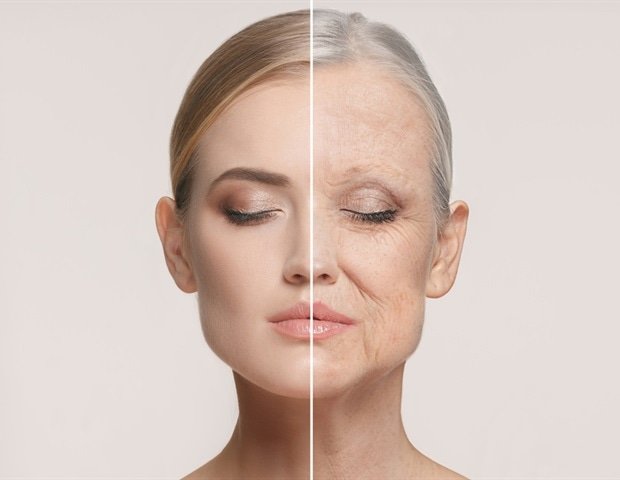
    Ongoing research has revealed that polyfloral honey is a promising candidate for protecting human skin cells from premature aging and UV-induced cell damage, with potential for future clinical and cosmetic applications.

    Honey is already well known in the medical and cosmetic industries for its antioxidant, antibacterial, anti-inflammatory and wound-healing properties, and sterile medical products derived from honey already exist in the form of bandages, gels and ointments for burns and difficult-to-heal wounds.

    “I have always been interested in the fact that certain honeys, such as Manuka honey, are used for medical-grade applications. My background in medical biology and my personal interest in beekeeping and cosmetic science inspired this project,” says Dr Fikie Fruya Kavak, a member of Professor Margherita Maioli’s research team at the University of Sassari in Italy. “This led us to wonder whether high-quality polyfloral honey could show measurable protective effects on human skin cells.”

    The skin is the human body’s main barrier to the environment, but ultraviolet (UV) radiation from the sun can significantly accelerate skin aging and cellular stress, which can be a precursor to skin cancer. Professor Maiori’s team not only wanted to investigate whether honey could protect human skin cells from UV damage, promote cell recovery and prevent skin aging, but also what molecular and genetic mechanisms were involved.

    For this study, the team first grew cultures of the cells that make up human skin, including skin stem cells, fibroblasts, and keratinocytes. These were cultured together in a continuous flow bioreactor system to simulate the physiological environment of human skin.

    Before exposing the cultures to UV light, some cells were treated with 1% polyfloral honey for 48 h. The team then assessed how the treated and untreated cells responded to UV-induced stress.

    The research team also used real-time quantitative PCR to analyze the expression of selected genes related to cellular aging, stress response, and tissue regeneration. The research team was also interested in genes associated with stemness (such as stem cells). Stemness is the ability of a cell to differentiate or copy itself.

    The main finding was that 1% multifloral honey pretreatment appeared to support protective and regulatory responses to UV-induced stress in both skin stem cells and fibroblasts.

    In skin stem cells, honey increased the expression of stemness-related markers while decreasing the expression of aging-related genes. ”

    Dr. Fikiye Fulya Kavak, University of Sassari, Italy

    In these cells, honey treatment reduced nitric oxide release and increased antioxidant capacity. This suggests that honey treatment may help support antioxidant defenses under UV-induced stress conditions.

    Through genetic analysis, the research team found that honey treatment helps control cell proliferation and regeneration signals, as well as increasing the expression of cellular stress protection genes.

    “What’s particularly interesting is that honey seems to help cells find a healthier balance after UV stress,” says Dr. Kabak. “Rather than prompting cells to over-repair, they appear to support protective mechanisms while regulating regeneration-related signals.”

    The research team’s work is still ongoing, and they are further investigating the molecular mechanisms at work. “We have been working on validation studies at the protein level to see if the molecular changes observed at the mRNA level are also reflected at the protein level,” says Dr. Kavak.

    Although these findings hold promising applications in the medical and cosmetic fields, the research team emphasizes that polyfloral honey should not yet be considered for clinical applications or as a sunscreen replacement. “Because our study was conducted in a cell-based experimental model rather than in humans, further laboratory, preclinical, and clinical studies are needed before any practical recommendations can be made,” Dr. Kavak says.

    This knowledge could contribute to the development of new cosmetic or clinical skin formulations, especially if the active properties of honey can be delivered in a controlled and biocompatible manner, such as the nanofiber-based systems the team is currently developing.

    “These nanofibers have already been characterized, and biological evaluation is currently underway,” Dr. Kabak says. “This represents an important next step, as nanofiber-based systems may provide a more advanced platform to study potential skin-related applications of natural bioactive compounds such as polyfloral honey.”

    sauce:

    Society for Experimental Biology


    Source link

    Visited 3 times, 3 visit(s) today
    Share. Facebook Twitter Pinterest LinkedIn Telegram Reddit Email
    Previous ArticlePhysicists have created a tiny universe where time appears without a clock
    Next Article Stem cell-derived dopaminergic cell transplantation shows promising results in Parkinson’s disease
    healthadmin

    Related Posts

    GLP-1 exposure during pregnancy does not clearly increase risk of major birth defects

    July 10, 2026

    Scientists have determined that extreme irritability is the brain’s response to frustration.

    July 10, 2026

    New research explains why some people are more sensitive to low-frequency noise

    July 10, 2026

    Transplanted neural progenitor cells survive for 1 year in patients with retinitis pigmentosa

    July 10, 2026

    Stem cell-derived dopaminergic cell transplantation shows promising results in Parkinson’s disease

    July 10, 2026

    UCSF and Samsung launch remote research on aging brain health

    July 9, 2026
    Add A Comment
    Leave A Reply Cancel Reply

    Categories

    • Daily Health Tips
    • Discover
    • Environmental Health
    • Exercise & Fitness
    • Featured
    • Featured Videos
    • Financial Health & Stability
    • Fitness
    • Fitness Updates
    • Health
    • Health Technology
    • Healthy Aging
    • Healthy Living
    • Holistic Healing
    • Holistic Health & Wellness
    • Medical Research
    • Medical Research & Insights
    • Mental Health
    • Mental Wellness
    • Natural Remedies
    • New Workouts
    • Nutrition
    • Nutrition & Dietary Trends
    • Nutrition & Superfoods
    • Nutrition Science
    • Pharma
    • Preventive Healthcare
    • Professional & Personal Growth
    • Public Health
    • Public Health & Awareness
    • Selected
    • Sleep & Recovery
    • Top Programs
    • Weight Management
    • Workouts
    Popular Posts
    • 1773313737_bacteria_-_Sebastian_Kaulitzki_46826fb7971649bfaca04a9b4cef3309-620x480.jpgHow Sino Biological ProPure™ redefines ultra-low… March 12, 2026
    • pexels-david-bartus-442116The food industry needs to act now to cut greenhouse… January 2, 2022
    • 1773729862_TagImage-3347-458389964760995353448-620x480.jpgDespite safety concerns, parents underestimate the… March 17, 2026
    • 1773209206_futuristic_techno_design_on_background_of_supercomputer_data_center_-_Image_-_Timofeev_Vladimir_M1_4.jpegMulti-agent AI systems outperform single models… March 11, 2026
    • 1774403998_image_28620e4b6b0047f7ab9154b41d739db1-620x480.jpgGait pattern helps distinguish between Lewy body… March 24, 2026
    • Leukemia-620x480.jpgBiomimetic platform powers CAR T therapy for… March 9, 2026

    Demo
    Stay In Touch
    • Facebook
    • Twitter
    • Pinterest
    • Instagram
    • YouTube
    • Vimeo
    Don't Miss

    The biggest problem with solid-state batteries may finally be solved

    By healthadminJuly 10, 2026

    Smartphones, electric cars, and countless portable electronic devices all rely on batteries. As the demand…

    What do we actually know about microplastics in our bodies?

    July 10, 2026

    Sensory processing differences associated with sexual pain in autistic adults

    July 10, 2026

    Ban on electric shocks, nursing strikes, and men’s loneliness: Morning rounds

    July 10, 2026

    Subscribe to Updates

    Get the latest creative news from SmartMag about art & design.

    HealthxMagazine
    HealthxMagazine

    At HealthX Magazine, we are dedicated to empowering entrepreneurs, doctors, chiropractors, healthcare professionals, personal trainers, executives, thought leaders, and anyone striving for optimal health.

    Our Picks

    Ban on electric shocks, nursing strikes, and men’s loneliness: Morning rounds

    July 10, 2026

    Europe’s most active volcano may have a secret origin

    July 10, 2026

    Daily intake of maitake mushrooms may improve memory in older adults

    July 10, 2026
    New Comments
      Facebook X (Twitter) Instagram Pinterest
      • Home
      • Privacy Policy
      • Our Mission
      © 2026 ThemeSphere. Designed by ThemeSphere.

      Type above and press Enter to search. Press Esc to cancel.