


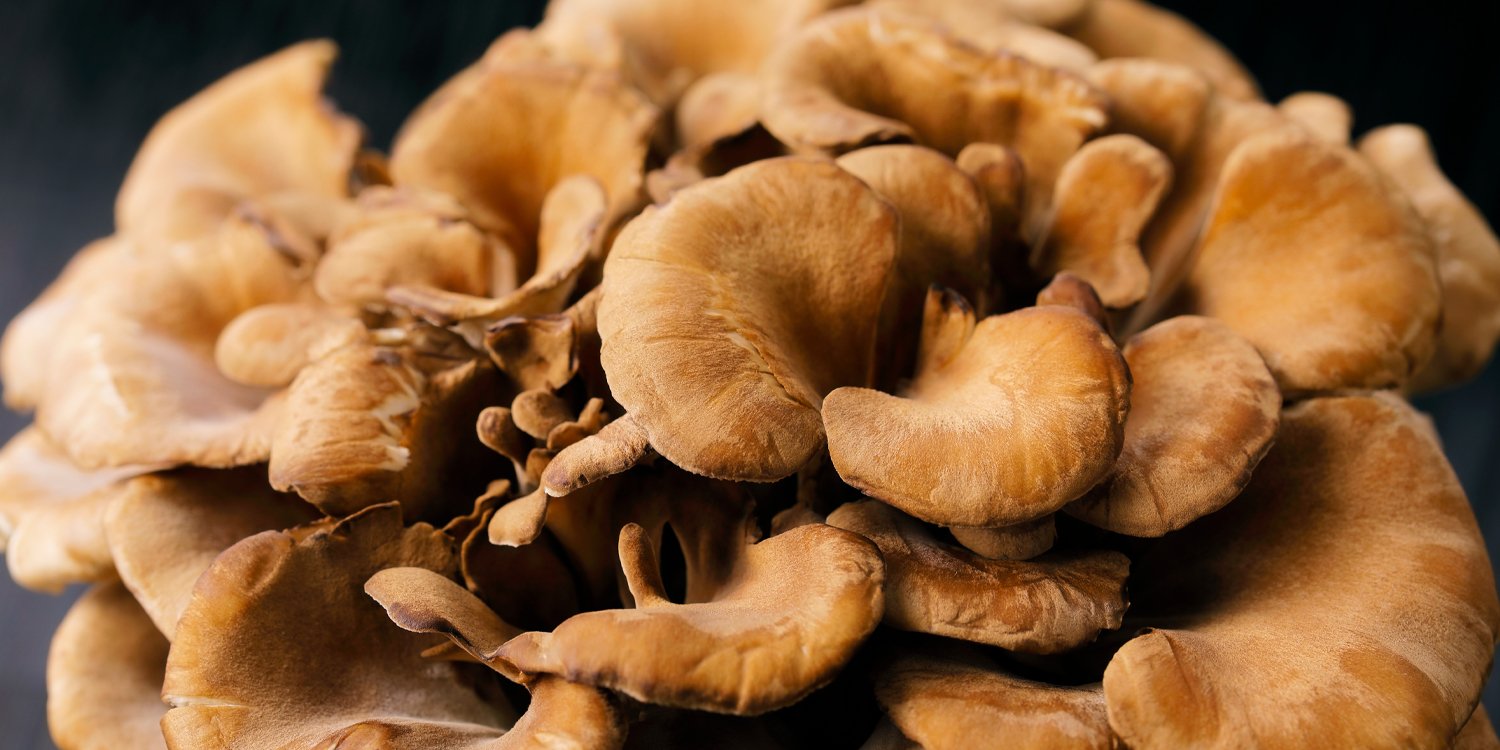
Consuming certain types of maitake mushrooms daily may help maintain memory and cognitive function in older adults. In a small study of healthy Japanese volunteers, participants who ate mushroom-filled bread showed improved scores on cognitive tests that correlated with enhanced immune system activity. This study was published in the *Journal of Nutritional Science and Vitaminology*.
As the global population ages, the number of people experiencing age-related cognitive decline continues to increase. Declining memory and judgment can have a significant impact on older adults’ daily lives and overall health. Existing treatments for advanced dementia are very limited, so medical professionals often focus on prevention.
Strategies often target mild cognitive impairment, commonly known as MCI. This condition is an intermediate stage between typical age-related memory loss and more severe dementia. Health experts generally believe that stopping or slowing the progression of MCI can be a highly effective way to maintain long-term brain health.
Eli M. Jogi, a researcher leading the study in the research and development department at Niigata Prefecture Yukiguni Factory Co., Ltd., collaborated with clinical experts and academics from nearby facilities. They designed a trial to test whether eating maitake mushrooms daily could support the cognitive profile of healthy older adults, given the growing urgency of tackling neurodegeneration.
“We are seriously threatened by the increasing number of people with dementia around the world and thought maitake mushrooms could help reduce the risk of dementia,” Jogi said. “Since there is no established cure for dementia, it is important to prevent the onset of dementia.”
Mushrooms have been a staple of Eastern medicine for centuries, but human clinical data on their effects on the brain are still sparse.
“Maitake mushrooms (Grifola frondosa) have a variety of health benefits and have also been suggested to improve cognitive function in animal models of dementia,” Jogi said. “However, the effects of maitake mushrooms on cognitive function in healthy people have not been investigated. Therefore, we assessed whether maitake mushrooms contribute to maintaining healthy cognitive function in older adults.”
Lifestyle, especially diet, is an easy approach to neurological maintenance. Previous scientific research suggests that eating a variety of mushrooms may reduce the risk of developing cognitive impairment. For example, lion’s mane mushrooms have received attention for their potential neuroprotective properties. However, the specific cognitive effects of other commonly consumed culinary mushrooms on human memory remain largely unknown.
Maitake is a popular edible mushroom in many Asian cuisines. Animal studies have shown that maitake extract may lower blood pressure, support metabolic health, and stimulate the immune system. Some laboratory experiments suggest that components of maitake mushrooms may protect nerve cells from oxidative damage.
The potential link between maitake, immune system activation, and brain protection represents an advancing field in neurobiology. Historically, researchers believed that the brain existed completely separate from the body’s peripheral immune system. Today, biologists recognize that peripheral immune cells actively help maintain neural function. They do this by helping remove cellular waste and managing local inflammation.
However, investigating this link initially faced resistance from the scientific community.
“The immunomodulatory properties of maitake mushrooms are widely known. Traditionally, strengthening the immune system was thought to be ineffective in improving cognitive function. Therefore, when we began this study, we received skepticism from immunologists,” Jogi explained. “However, we have found some recent reports that cognitive function can be improved through the immune system, and we observed similar results in our study.”
Jogi and his team recruited a small study group of 47 healthy Japanese volunteers. Volunteers ranged in age from 60 to 85 years. The researchers used a randomized, double-blind, placebo-controlled design. In scientific research, this framework is considered the gold standard.
This experimental setup requires participants to be randomly assigned to test groups. It also requires that neither researchers nor participants know who is receiving active treatment. This framework helps eliminate body bias and the placebo effect, where just believing you are receiving an effective treatment makes you feel better.
Participants were divided into three groups. One group ate two slices of bread each day containing 50 grams of Maitake strain Y10M. The second group ate bread containing 50 grams of another Maitake strain known as C5304. A third group ate a placebo bread that did not contain any mushroom material.
The trial lasted 18 weeks. The bread was baked with a mixture of tomato and onion powder to mask the distinct smell and taste of the fungus. This masking process prevented participants from guessing which group they were placed in.
To see if the participants ate bread consistently, the researchers tracked a biological marker called ergosterol. Ergosterol is a type of fatty molecule found almost exclusively in fungi. Blood tests conducted throughout the study showed elevated ergosterol levels in participants in both maitake groups. This physical evidence proved that the active ingredients in the mushrooms were digested throughout the test period.
Measuring subtle changes in memory in healthy adults is a difficult task over a short period of 18 weeks. The research team applied three different diagnostic tools. The Mini-Mental Status Examination and Revised Hasegawa Dementia Scale are simple questionnaires widely used by physicians to diagnose established dementia. However, these basic tools often lack the sensitivity needed to detect minor cognitive conflicts.
To account for this hurdle, the researchers also used the Japanese version of the Montreal Cognitive Assessment. This longitudinal assessment requires participants to complete tasks involving executive function, planning, language, and visuospatial processing. Medical professionals frequently use this assessment to identify early warning signs of mild cognitive impairment, before standard dementia tests detect impairment.
The physical results of the three tests were mixed. Scores on more traditional dementia tests did not change in any group. However, the group that ate the Y10M Maitake strain showed measurable improvements in Montreal Cognitive Assessment scores. This improvement was primarily driven by higher scores in specific assessment categories measuring memory recall.
These positive cognitive changes were isolated to just one mushroom strain. The group that ate the C5304 strain did not show this improvement in memory. The placebo group also completed the study with no change in cognitive scores. General blood tests and physical examinations confirmed that mushroom bread was completely safe and did not cause any side effects to participants.
“What surprised us most was that different maitake strains had different effects on cognitive function and immunity,” Jogi said. “It was also very interesting that cognitive function improved in healthy older adults over a relatively short period of just 18 weeks.”
To understand why the Y10M strain benefits the brain, scientists analyzed participants’ blood for signs of immune activation. They specifically focused on natural killer cells, abbreviated as NK cells. These specialized white blood cells act as the body’s initial defense mechanism, identifying and destroying infected or damaged tissue.
NK cells are usually associated with viral defense, but they also help control tissue repair. Recent studies have shown that they help associated immune cells clear harmful protein debris from the nervous system. Blood analysis revealed increased presence of early activation markers of natural killer cells in the Y10M group.
When the researchers compared the datasets, they observed a positive correlation between the activation of these immune cells and improved memory scores on cognitive assessments. Participants with the most activated natural killer cells also tended to have the highest improvement in cognitive function. These biological clues suggest potential mechanisms of action.
The researchers propose that consuming certain strains of maitake stimulates peripheral immune cells, but that immune cells naturally become less efficient as humans age. This immune activation may then help maintain the brain’s neural networks. By clearing away metabolic waste products, an activated immune system ultimately preserves memory function over time.
As with all dietary research, published papers include recognized limitations. The small study, with a sample size of 47 people, makes it difficult to draw broad conclusions for the general public. Participants also maintained a normal, unrestricted diet at home, which introduced a number of variables that the researchers were unable to control.
Jogi also emphasized that this discovery is strictly related to conservation, not treatment. “It’s important to note that our study did not involve people with dementia, so this is not to suggest that maitake can treat dementia,” she said.
Researchers still don’t know exactly why the Y10M strain provided neurological benefits while the C5304 strain did not. Both mushrooms share nearly the same macronutrient profile. Scientists suspect that subtle structural differences in specialized carbohydrates may influence how fungi interact with the body’s digestive system and immune receptors.
Future studies will require a larger group of volunteers over a longer clinical period to validate these results. Scientists also need to test more diverse populations to ensure the benefits of these diets extend beyond this specific demographic.
“We aim to uncover the health benefits of mushrooms and provide mushrooms that can help improve the health of many people,” Jogi said. “To achieve this goal, we first want to find out why different maitake varieties have different effects on cognitive function and immunity. We also want to investigate how factors related to mushroom consumption (method, amount, timing) affect health benefits, and find out how these benefits can be enhanced.”
Continuing this line of investigation, the research team hopes to explore the precise molecular pathways linking mushroom-rich diets to natural killer cell function and long-term brain health in older adults. They see fungi as an exciting frontier for natural health interventions.
Jogi said, “I want many people to know that maitake is a food with great potential.” “We believe that maitake mushrooms have the potential to provide a variety of health benefits beyond cognitive function through immunomodulation, and we intend to uncover this potential.”
Ultimately, they envision that their research will translate into simple dietary choices that improve patients’ quality of life.
“I want many people to know that consuming maitake mushrooms daily may reduce the risk of dementia,” Jogi added. “We hope that maintaining healthy cognitive function will lead to a longer healthy lifespan.”
The study, “Maitake Mushroom (Grifola frondosa) Enhances Cognitive Function in Healthy Older Japanese: A Randomized, Double-Blind, Placebo-Controlled Trial,” was authored by Eri M Jogi, Masaharu C Kato, Yuki Masuda, Morichika Konishi, Naoko Kuwabara, Shinji Sato, Saori Nakagawa, Kenji Yamasaki, Ryutaro Aoki, Miho Ohno, Shuzo Ohata, Setsushi Kato and Michio Hashimoto.
