


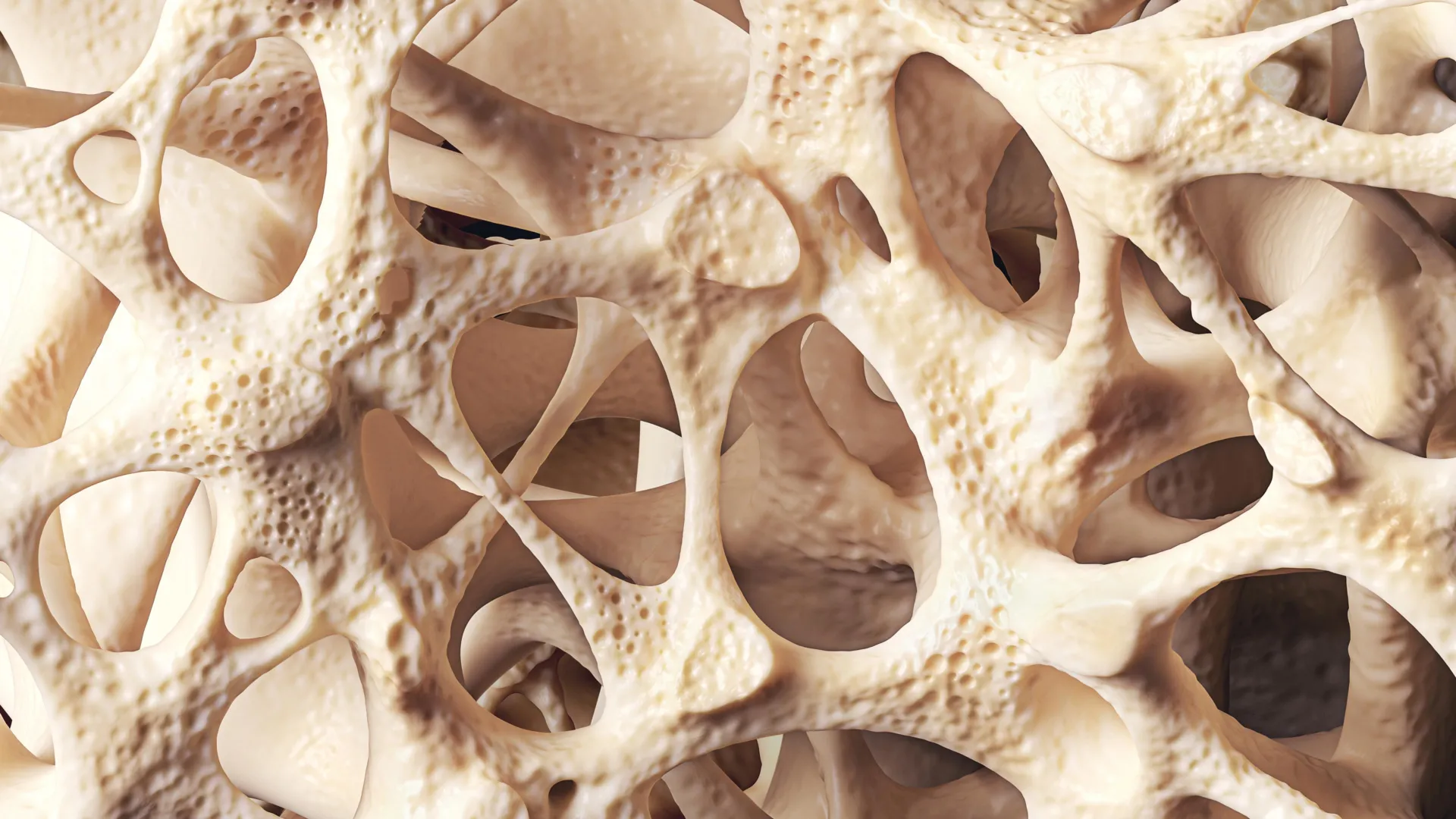
Approximately 40% of adults worldwide suffer from osteopenia, or loss of bone density. This condition is very common, especially in postmenopausal women and the elderly. It is estimated that over 500,000 fractures occur in the UK each year as a result of low bone density.
Osteopenia itself usually does not cause any symptoms and progresses silently over time. Many people may not even know they have the disease until they experience a fracture or undergo a bone density test, which is usually recommended due to risk factors such as age or menopause. Osteopenia is therefore a significant but often under-recognized public health problem.
Bone is a dynamic tissue that is continually regenerated through a process called bone remodeling. During this process, old bone is destroyed (resorption) and new bone is formed (formation).
During early adulthood, this process is balanced so that bone resorption is the same as bone formation. Bone mass typically reaches its peak around your mid-20s to early 30s. After this peak, bone loss gradually exceeds bone formation. Over time, this leads to a decrease in bone density.
Aging is the main risk factor for bone loss. However, some additional factors can speed up the process.
For example, hormonal changes, especially the decrease in estrogen after menopause, can significantly increase bone destruction. This is because estrogen helps protect bones by slowing down their natural breakdown process. Approximately 1 in 2 women over the age of 50 will experience a fragility fracture.
Lifestyle also plays an important role. Smoking, excessive alcohol consumption, and lack of exercise can lead to a loss of bone strength over time. Diet is equally important. Inadequate calcium intake and low vitamin D can limit your body’s ability to build and maintain strong bones.
The use of certain drugs, especially long-term steroids, and health conditions that affect hormone levels or nutrient absorption (such as Crohn’s disease or celiac disease) can further increase your risk.
Management of osteopenia
It is important to detect osteopenia early. This allows you and your clinician to take steps to reduce your risk of fractures and prevent the progression of osteopenia to osteoporosis. Osteoporosis causes further bone loss and significantly increases the risk of fractures.
Bone density is typically measured using a dual-energy X-ray absorptiometry (DXA) scan. This is a type of low-dose X-ray scan used to assess bone strength. The results are usually expressed as a T-score, which compares the patient’s bone density to that of a healthy young adult. A T-score between -1.0 and -2.5 indicates osteopenia, and a T-score less than -2.5 meets the diagnostic threshold for osteoporosis.
Management of osteopenia usually focuses on slowing or preventing further bone loss and reducing the risk of fractures. This includes lifestyle changes (such as avoiding smoking, limiting alcohol intake, and maintaining a healthy weight), nutritional support, and sometimes prescription treatment.
Weight-bearing exercises such as walking, dancing, and jogging stimulate bone formation by placing stress on the skeleton. Resistance training further strengthens your bones and muscles.
Research shows that regular physical activity is associated with improved bone density and may reduce the risk of osteoporosis. Exercises such as Tai Chi also improve balance and strength, reducing the risk of falls that can lead to bone fractures.
Adequate calcium intake also supports bone structure, and vitamin D helps the body absorb calcium efficiently. Foods such as dairy products, leafy green vegetables, and fortified products are common dietary sources. Supplements may also be recommended if dietary intake is insufficient. Vitamin D deficiency is relatively common in the UK, so taking supplements is often recommended.
Not everyone with osteopenia requires drug treatment. Instead, clinicians often use fracture risk assessment tools to assess the 10-year probability of fracture based on age, bone density, steroid use, and other risk factors.
Medication may be recommended if you are at high risk of fracture or have already experienced a fragility fracture. These may include anti-resorptive drugs that slow bone breakdown and help maintain bone density. Although such treatments are more commonly used in osteoporosis, high-risk patients with osteopenia may also benefit.
Osteopenia should not be viewed simply as mild or early osteoporosis, but rather as a warning sign and point for intervention. The progression from osteopenia to osteoporosis is not inevitable.
Evidence suggests that with early detection and targeted lifestyle changes, you can maintain bone health, significantly slow bone loss, and reduce your risk of developing osteoporosis later in life. In some cases, proper treatment and lifestyle adjustments can improve bone density.
However, prevention requires a long-term perspective. Bone health reflects the cumulative effects of our health and lifestyle over a lifetime, including diet, physical activity levels, and hormonal changes we experience. Maintaining healthy habits over time remains the most effective strategy for protecting bone strength.
