


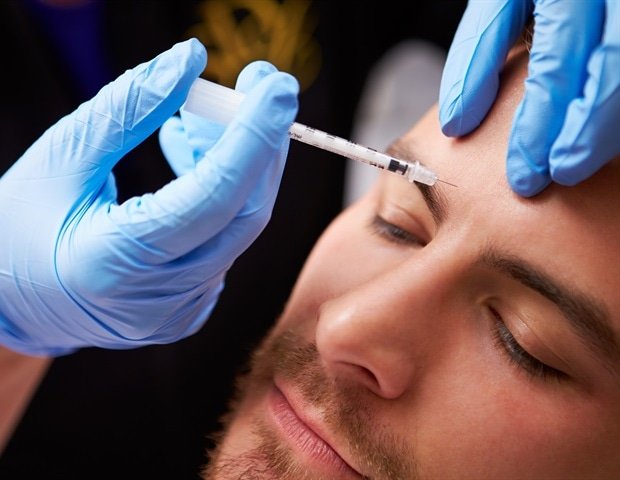
As non-surgical cosmetic procedures grow in popularity, accessibility and affordability, new research from Griffith University has created two new scales to assess people’s attitudes and motivations towards cosmetic procedures.
In 2024, more than 20 million non-surgical procedures will be performed worldwide, an increase of 8.5 million over the 2015 annual total.
Grace Barker, a doctoral candidate in the School of Applied Psychology at Griffith University, said two new measures were needed as non-surgical treatments became more common and attitudes towards non-surgical treatments may differ from those towards surgery.
“Additionally, nonsurgical procedures may involve different perceptions of risk, reversibility, accessibility, and normalization,” Barker said.
By measuring these attitudes separately, this study aimed to better understand how people think and feel about both surgical and non-surgical types of cosmetic procedures. ”
Miss Grace Barker, PhD Candidate in the Griffith School of Applied Psychology
The study looked at cosmetic surgical procedures such as rhinoplasty, breast augmentation, and facelifts, as well as non-surgical procedures that create holes rather than cuts in the skin, such as Botox and filler injections.
This assessment tool measured attitudes formed by beliefs and evaluations toward objects, actions, or people.
This tool consisted of intrapersonal considerations such as self-esteem and self-confidence, as well as interpersonal considerations such as forming bonds with others, and finally, risk, cost, and pain considerations.
Co-author Dr Veya Seekis said the study involved 723 people from Australia and overseas who identified as women.
“Women were chosen as subjects for the study because they are disproportionately exposed to appearance-related messages across social media and digital media environments,” Dr. Seekis said.
“This is influenced by institutional pressures, societal expectations and gendered appearance norms.
“Furthermore, the majority of cosmetic surgery patients worldwide are women, with the International Society of Aesthetic Plastic Surgery estimating that 84 percent of surgical and non-surgical patients are women.”
Co-author Professor Caroline Donovan hoped the two new measures would help researchers gain a clearer and more detailed understanding of people’s attitudes towards cosmetic procedures and the social factors that can shape and influence attitudes over time.
“Importantly, this scale focuses on individuals’ own opinions, rather than broad or general opinions, allowing us to better understand individual differences,” she said.
“This improved insight could support the development of more targeted prevention and intervention efforts, particularly for individuals who are more susceptible to appearance-related distress, including complex body image concerns due to psychological conditions such as body dysmorphic disorder.”
sauce:
Reference magazines:
Barker, G. others. (2026). Cosmetic Procedures Attitudes Scale (CPAS): Development and validation. body image. DOI: 10.1016/j.bodyim.2026.102051. https://www.sciencedirect.com/science/article/pii/S1740144526000227
