


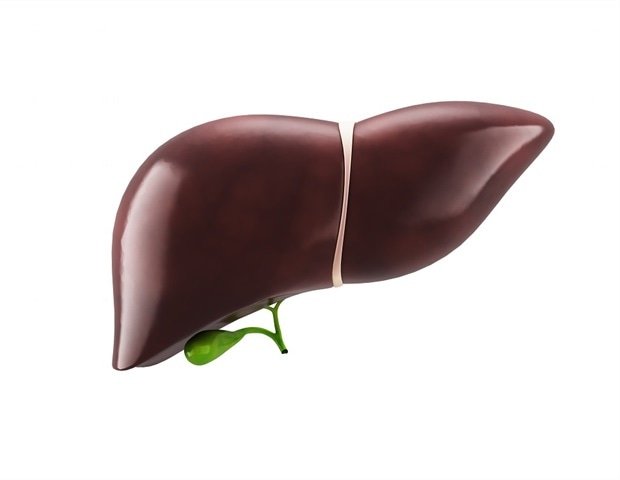
Chronic hepatitis B virus (HBV) infection remains a major cause of liver disease worldwide, causing progressive necroinflammation and often ultimately leading to cirrhosis and hepatocellular carcinoma. Despite the clinical importance of this chronic inflammatory state, the precise molecular mechanisms that initiate and maintain HBV-induced liver damage remain poorly understood.
Recently genes and diseases In this study, researchers from Chongqing Medical University investigated the mechanisms underlying HBV-induced hepatitis and identified a reactive oxygen species (ROS)-dependent signaling cascade that activates the Jak2/Stat3 pathway, thereby triggering the hepatitis response.
Transcriptome analysis of liver samples from HBV transgenic mice and chronic HBV-infected patients revealed that early hepatitis inflammation is characterized by marked suppression of mitochondrial oxidative phosphorylation (OXPHOS), particularly genes related to mitochondrial respiratory complexes I and III, leading to mitochondrial respiratory dysfunction. Functional studies using HBV-replicating liver cell lines demonstrated that sustained viral replication progressively impairs mitochondrial respiration, resulting in elevated intracellular ROS production. This metabolic disorder results in excessive accumulation of ROS within hepatocytes. Similar mitochondrial dysfunction and oxidative stress were observed in an HBV replication mouse model of early stages of liver inflammation, indicating that mitochondrial dysfunction and resulting ROS accumulation represent the initiating event of the HBV-associated inflammatory response.
Mechanistic studies demonstrated that ROS accumulation activates the antioxidant regulator Nrf2, which subsequently enhances the production of proinflammatory cytokines IL-6 and IL-8. These cytokines stimulated the phosphorylation of Jak2 and Stat3 without changing total protein expression, leading to transcriptional activation of multiple inflammatory genes such as Saa1, S100a9, Icam1, and Socs3, which are involved in immune cell recruitment and hepatitis inflammation. Pharmacological manipulation of ROS levels further supported this mechanism. This is because ROS scavenging or inhibition of HBV replication by Mito-TEMPO reduced Nrf2 activation, cytokine production, Jak2/Stat3 signaling, and inflammatory gene expression, whereas ROS induction had the opposite effect.
This mechanism was further validated alive In a study using a pAAV/HBV1.2 mouse model with sustained HBV replication, increased oxidative stress was accompanied by elevated Nrf2 expression, increased production of IL-6 and IL-8, activation of Jak2/Stat3 signaling, and infiltration of inflammatory cells within the liver. Treatment with the antioxidant N-acetylcysteine (NAC) significantly reduced hepatic ROS accumulation, suppressed Jak2/Stat3 pathway activation, decreased proinflammatory cytokine expression, and attenuated hepatitis inflammation, demonstrating that oxidative stress is an important upstream regulator of HBV-induced inflammatory responses.
Taken together, this study establishes that ROS accumulation induced by mitochondrial dysfunction, via activation of the Nrf2-IL-6/IL-8-Jak2/Stat3 signaling axis, is a pivotal trigger of HBV-associated hepatitis inflammation. This study provides mechanistic insight into the early pathogenesis of chronic hepatitis B by linking viral replication with oxidative stress and inflammatory signaling and identifies ROS-dependent Jak2/Stat3 activation as a promising therapeutic target to prevent inflammation-induced liver disease progression.
sauce:
Reference magazines:
Song, R. Others. (2026). Activation of the Jak2/Stat3 pathway through a ROS-dependent signaling cascade initiates the hepatitis B virus-induced hepatitis response. genes and diseases. DOI: 10.1016/j.gendis.2025.101857. https://www.sciencedirect.com/science/article/pii/S2352304225003460?via%3Dihub
