


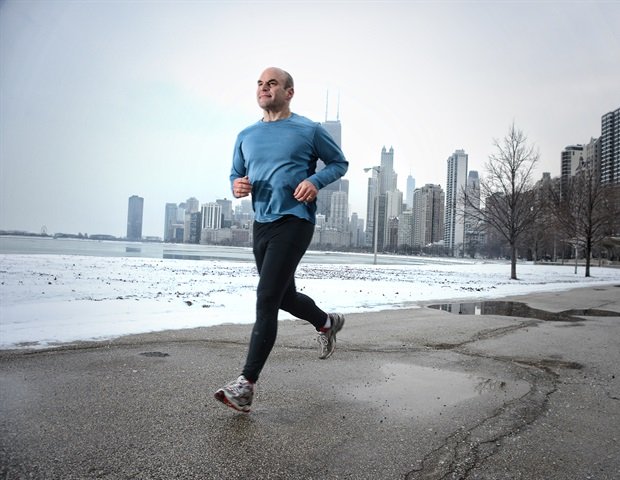
Moderate to vigorous physical activity is more important than light physical activity for mental health in midlife, according to new research from the University of Oulu and ODL Sports and Exercise Medicine. The more time people spend each day doing moderate to vigorous physical activity, compared to sedentary behavior or light activity, the fewer symptoms of depression and anxiety they experience.
According to a study published in the scientific journal Depression and Anxiety, simply increasing physical activity is not enough. The intensity of activity appears to be important. Replacing sedentary behavior with light activity such as slow walking had a small but clearly limited effect compared with moderate to vigorous physical activity. This result was consistent across all symptom measures used in the study.
This finding suggests that intensity of physical activity is important from a mental health perspective, rather than just increasing movement. Moderate to vigorous physical activity is intense enough to leave you slightly short of breath. ”
Maisa Niemela, Adjunct Professor, University of Oulu
This study also shows that mental health is not only affected by individual exercise, but also by the overall balance of how you spend your time each day. In addition to moderate to vigorous physical activity, getting enough sleep also prevents symptoms of depression and anxiety.
Changing your daily routine by 30 minutes can impact your health
Sleep, sedentary behavior, light exercise, and moderate to vigorous physical activity combine to form a continuous 24-hour cycle in which changes in one area inevitably affect others. This study looked at what happens to mental health when daily screen time is moderately adjusted. Replacing 30 minutes of sedentary time with moderate to vigorous physical activity was clearly associated with improved mental health, with depression symptoms decreasing by 9 percent and anxiety symptoms decreasing by about 5 percent.
“This isn’t a huge lifestyle change; even a 30-minute adjustment every day makes sense,” says Niemela.
Sleep is an important part of the equation
The findings also highlighted the importance of sleep. In addition to moderate to vigorous physical activity, adequate sleep was associated with reduced symptoms of depression and anxiety. Participants reported getting an average of 7 hours and 30 minutes of sleep each night. Reducing just 5 to 30 minutes of sleep each night resulted in a small increase in symptoms.
This finding suggests that increasing physical activity should not come at the expense of sleep. Instead, you should view your 24-hour day as a balanced whole.
“Getting enough sleep and increasing moderate to vigorous physical activity are ideal lifestyle changes to support mental health in midlife,” says Clarence Tan, postdoctoral researcher at the University of Oulu.
The study included approximately 4,500 participants from the 1966 Northern Finland birth cohort. Their physical activity and sedentary behavior were monitored over a two-week period at age 46 using an activity monitor. Depression and anxiety symptoms were assessed using three widely used self-report questionnaires.
sauce:
Reference magazines:
Tan, C. Others. (2026). Constructive associations between 24-h exercise behavior and depression and anxiety symptoms in middle-aged adults depression and anxiety. DOI: 10.1155/da/6881070. https://onlinelibrary.wiley.com/doi/10.1155/da/6881070
