


Problems with blood iron levels and the body’s ability to regulate this important nutrient as a result of SARS-CoV-2 infection may be an important trigger for prolonged COVID-19 infections, a new study has found.
The findings not only point to potential ways to prevent or treat the condition, but may also help explain why long-term, COVID-19-like symptoms are also common in many post-viral conditions and chronic inflammation.
Estimates vary widely, but as many as three in 10 people infected with SARS-CoV-2 may develop a long-term coronavirus infection, with symptoms such as fatigue, shortness of breath, muscle pain, and problems with memory and concentration (‘brain fog’). According to the Office for National Statistics, as of March 2023, an estimated 1.9 million people in the UK alone had experienced self-reported long-term coronavirus infection.
Shortly after the COVID-19 pandemic began, researchers at the University of Cambridge began recruiting people who had tested positive for the virus to the National Institute for Health Research (NIHR) BioResource COVID-19 Cohort. These include asymptomatic medical staff identified through routine testing, ranging from patients admitted to Cambridge University Hospitals NHS Foundation Trust, some in intensive care.
Over the course of a year, participants provided blood samples that allowed researchers to monitor changes in their blood after infection. Because it became clear that a significant number of patients continue to have symptoms for long periods of time with COVID-19, researchers were able to look back at these samples to see if changes in their blood correlated with their later status.
According to the survey results published in innate immunologyResearchers from the Cambridge Institute for Therapeutic Immunology and Infectious Diseases (CITIID) at the University of Cambridge, along with colleagues from the University of Oxford, analyzed blood samples from 214 people. About 45% of people asked about their recovery reported long-term COVID-19 symptoms after three to 10 months.
Professor Ken Smith, director of CITIID at the time of the study and who will become director of the Walter Eliza Hall Medical Institute (WEHI) in Melbourne, Australia, in April, said: “Recruiting a group of people infected with SARS-CoV-2 early in the pandemic and analyzing several blood samples and clinical information collected over 12 months after infection has proven invaluable in providing important and unexpected insights into why this happens to some people.” For the unlucky, symptoms persist for several months after initial SARS-CoV-2 infection. ”
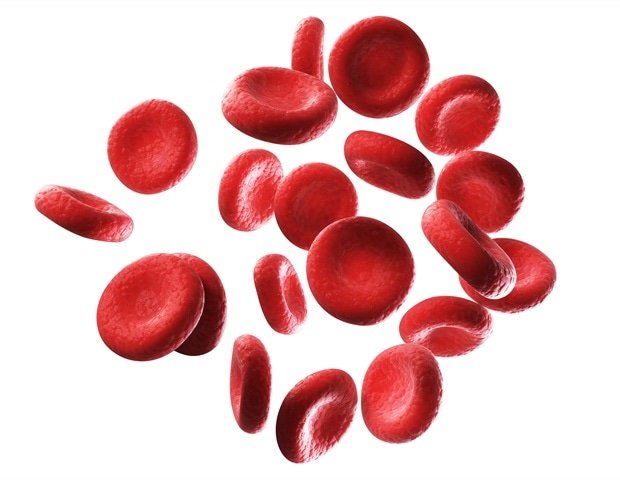
The researchers found that ongoing inflammation, which is a natural part of the immune response to infection, and low iron levels in the blood, which cause anemia and inhibit the production of healthy red blood cells, can be seen within two weeks of COVID-19 infection in people who report long-term COVID-19 infections months later.
Early iron dysregulation was detectable in long-term infected groups, regardless of age, gender, or severity of initial COVID-19 infection, suggesting that it may affect recovery even in people who are at low risk for severe COVID-19 infection and who do not require hospitalization or oxygen therapy during illness.
Dr Amy Hanson, who worked on the study while at the University of Cambridge and is now at the University of Bristol, said: “Iron levels and the way iron is regulated in the body were disrupted in the early stages of SARS-CoV-2 infection, and recovery took a very long time, especially in people who reported infection with the new coronavirus several months later.”
“Although we saw evidence that the body was trying to correct the reduced iron availability and resulting anemia by producing more red blood cells, the body was not functioning particularly well in the face of ongoing inflammation.”
Interestingly, although iron dysregulation was more severe during and after severe COVID-19, people who developed long-term COVID-19 infection after a mild course of acute COVID-19 showed a similar pattern in their blood. The most significant association with prolonged COVID-19 infection was how quickly inflammation, iron levels, and regulation returned to normal after SARS-CoV-2 infection, but symptoms tended to persist long after iron levels had recovered.
Co-author Professor Hal Drake-Smith, from the MRC Weatherall Institute of Molecular Medicine at the University of Oxford, said iron dysregulation is a common consequence of inflammation and a natural response to infection.
“When we get an infection, our body responds by removing iron from the bloodstream. This protects us from deadly bacteria that take up the iron in the bloodstream and multiply rapidly. This is an evolutionary response that redistributes iron in the body, making the blood plasma an iron desert.”
“However, if this continues for a long period of time, red blood cells become low in iron, making them less efficient at transporting oxygen, affecting metabolism and energy production, and also affecting white blood cells, which require iron to function properly. Ultimately, protection mechanisms come into question.”
The findings may help explain why symptoms such as fatigue and exercise intolerance are common in long-term COVID-19 infections and in several other post-viral syndromes with persistent symptoms.
Researchers say this study points to a way to potentially prevent or reduce the long-term effects of COVID-19 by correcting iron dysregulation early in the disease and preventing long-term negative health effects.
One approach might be to control extreme inflammation as early as possible, before it affects iron regulation. Another approach may include iron supplementation. However, as Dr. Hanson pointed out, this may not be easy.
“It’s not necessarily that you don’t have enough iron in your body, it’s just that it’s trapped in the wrong places,” she says. “What we need is a way to remobilize iron back into the bloodstream and make it more useful to red blood cells.”
The study also confirms the “coincidence” results of other studies, such as the Ironman study, which looked at whether iron supplements helped people with heart failure. Although the study was interrupted due to the COVID-19 pandemic, preliminary findings suggest that trial participants were less likely to develop serious side effects from COVID-19. Similar effects have been observed among people with the blood disease beta-thalassemia, which can cause overproduction of iron in the blood.
This research was funded by Wellcome, the Medical Research Council, the NIHR and the European Union Horizon 2020 programme.
sauce:
Reference magazines:
Hanson, Alabama; Others. (2024) Iron dysregulation and inflammatory stress-induced erythropoiesis are associated with long-term outcomes of COVID-19 infection. Innate immunology. DOI: 10.1038/s41590-024-01754-8. https://www.nature.com/articles/s41590-024-01754-8
