


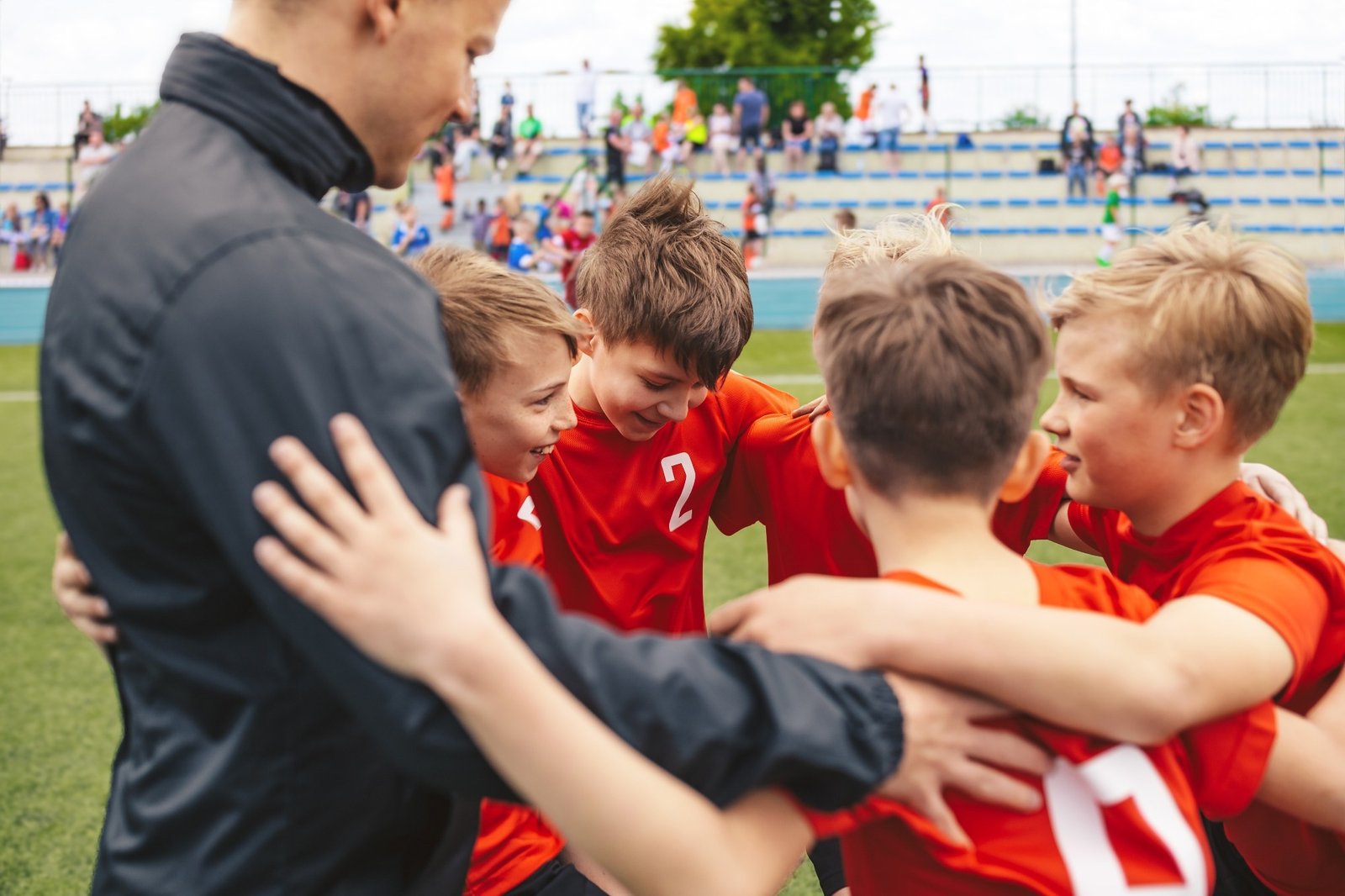
Coaches and athletes from eight countries say sports clubs have the potential to become powerful community health hubs, but only if families, volunteers and health systems work together to support lasting change..
 Research: The role of sports coaches in promoting the health and well-being of athletes with developmental disabilities. Image credit: matimix/Shutterstock.com
recent study at International Journal of Environmental Research and Public Health We investigated how sports coaches can Supporting the health and well-being of athletes with intellectual and developmental disabilities.
Challenges and opportunities in promoting health for athletes with disabilities
People with disabilities generally experience lower physical and mental well-being than people without disabilities, particularly in terms of increased obesity, poor nutrition, and lack of physical activity. These outcomes are primarily due to inequitable access to health services, particularly in low-resource settings where primary care is underdeveloped and health promotion infrastructure is limited.
Numerous small-scale interventions targeting health outcomes for individuals with disabilities have produced inconsistent and often unsustainable results. Health promotion is primarily driven by professional services, with limited integration into primary health care. Public health approaches remain rare, and adaptations of information resources have little impact. Community-led strategies, including comprehensive sports programs, as advocated by the World Health Organization (WHO), are a promising but underutilized approach.
Special Olympics (SO) is a worldwide organization involving approximately 5 million athletes from more than 190 countries. SO International has launched multiple health initiatives, including screening, athlete education, and fitness programs integrated with regular training and competitions. Previous studies have reported that these interventions were associated with participants’ improved self-reported health status, weight loss, increased dietary fiber intake, increased self-confidence, and stronger attitudes toward physical activity.
Mainstream sports clubs have demonstrated the ability to respond to the health needs of their members and thereby improve their social, mental and physical health. Coaches and sports organizations are recognized as making a significant contribution to promoting public health. Optimizing health outcomes for individuals with disabilities in SO may require coaches to incorporate health promotion as an integral part of their role. However, little research has investigated how athletes and coaches view health, which strategies are most effective, and what helps and hinders health promotion in sport.
Assessing the impact of sports coaches on the health and well-being of athletes with disabilities
This study investigated the extent to which coaches support athlete health and identified barriers to this role. Invitations to participate were distributed to regional SO leaders in Africa, Asia-Pacific, Europe, and South America, and approximately 60 national programs working to improve health were informed. Eight programs agreed to participate: Nigeria, Senegal, South Africa, Fiji, New Zealand, Ireland, Great Britain and Mexico, with nearly 130,000 athletes and more than 19,000 coaches participating.
The 10 coaches from a variety of sports were selected for their active involvement in athlete health and diverse professional and personal backgrounds. Each country also selected up to six athlete leaders with strong communication skills, diverse backgrounds, and experience in health-focused leadership training. Group interviews were conducted via Zoom, while coach and player sessions were conducted separately.
National leaders facilitated group sessions using each country’s standardized protocols. Discussions covered athlete health needs, ongoing health initiatives, perceived effectiveness of current strategies, feedback from athletes and caregivers, and coach support requirements. The athlete leadership group followed a parallel process focused on athlete-led health improvement, coach support, and motivation strategies.
The study involved 62 coaches and 47 athletes from seven countries with more than five years of SO experience. Coach group interviews were conducted eight times with 6 to 10 people each, and player group interviews were conducted seven times with 6 to 7 people each.
Strategies, barriers and opportunities in health promotion
The study synthesized data from more than 100 participants, including athletes with intellectual disabilities and their coaches from eight diverse countries. Across settings, both groups demonstrated high awareness of significant health challenges, with coaches in particular emphasizing the need to promote athlete autonomy in managing their health.
Key strategies to promote athlete health included increasing motivation for physical activity and healthy eating, and encouraging regular health check-ups and progress monitoring. Maintaining healthy behaviors requires collaboration between coaches, athletes, families, caregivers, and health services. Coaches working in low-resource settings were more likely to cite malnutrition and poverty as major barriers.
Coaches recognized the importance of expanding their own health knowledge and called for continued professional development as well as informal health promotion through role modeling and connecting athletes with community resources.
Key challenges included motivating athletes to develop healthy habits, ensuring family support, and providing appropriate coach training. Given the positive impact of sport on self-confidence and social connectedness, prioritizing individualized health promotion plans and mental and emotional well-being was recognized as a practical measure.
Some coaches were reluctant to take on broader health promotion responsibilities due to limited time with players, concerns about privacy and independence, and uncertainty about whether monitoring health behaviors fit into their role. Implementing promising strategies at scale remains complex, highlighting the importance of local support, especially for volunteer-led clubs.
conclusion
This study highlighted that improving the health status of athletes with disabilities requires knowledge, motivation, training, resources, and community support. Everyone plays an important role. Both athletes and coaches emphasized the importance of continued guidance and collaboration with families and health services to achieve lasting change.
Further research is needed into how local sports clubs, which often rely on volunteers, can be supported to introduce and maintain a focus on health within their activities. Additionally, prioritizing low-resource communities and marginalized groups would be particularly valuable.
Click here to download your PDF copy.
Reference magazines:
-
McConkey, R., and Murray, F. (2026). The role of sports coaches in promoting the health and well-being of athletes with developmental disabilities. International Journal of Environmental Research and Public Health. 23(5), 620. Doi: https://doi.org/10.3390/ijerph23050620. https://www.mdpi.com/1660-4601/23/5/620
