


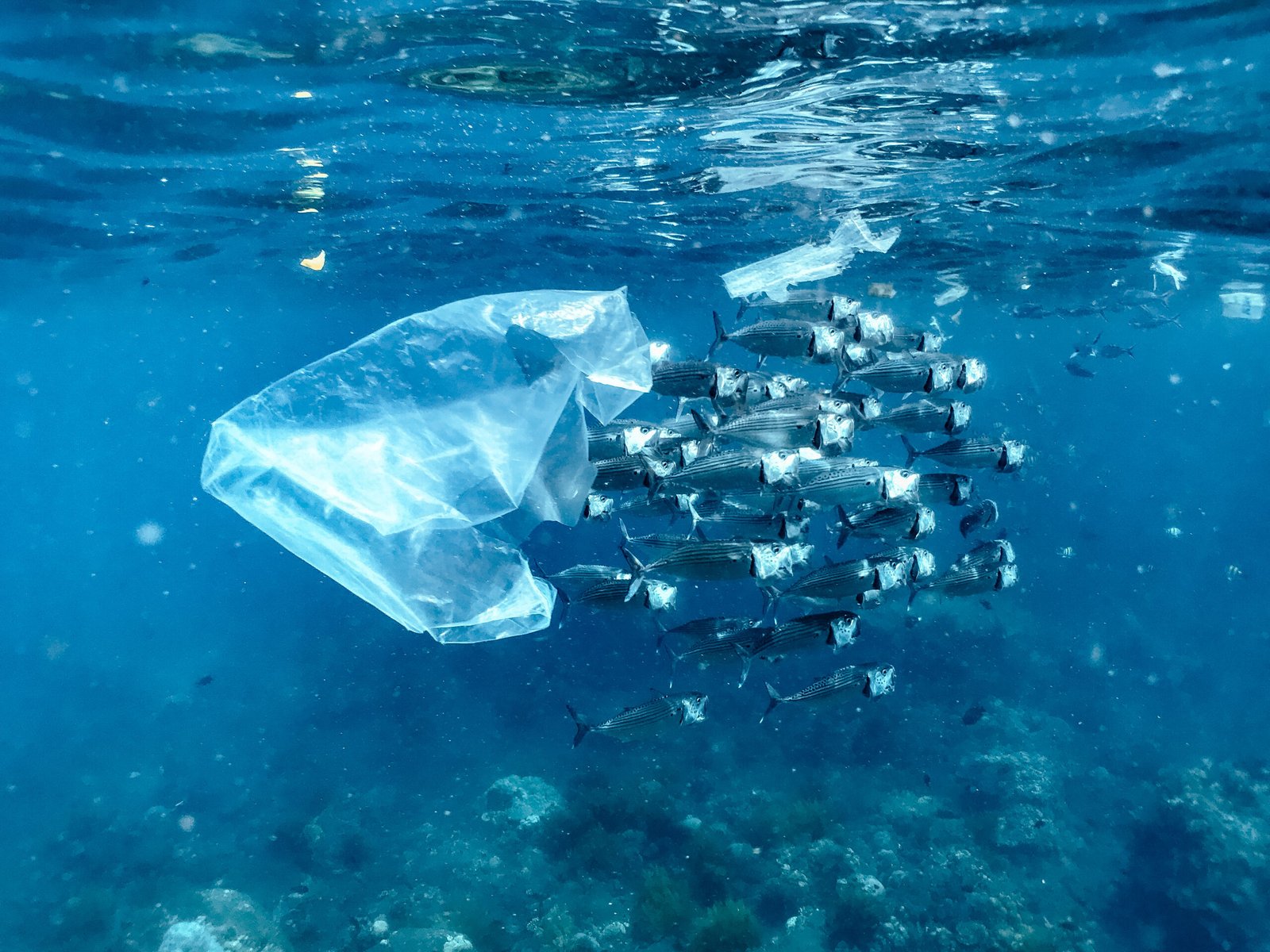
There are widely publicized videos of plastic pollution trapping and harming some of our most beloved coastal creatures. What is less well known is the hidden but far-reaching impact of this sinking debris.
A new study shows for the first time that plastic pollution is actively accumulating in the world’s most remote and extreme ecosystems: deep-sea hydrothermal vents.
Researchers found that more than 90% of deep-sea snails and mussels living in vents more than 2,000 meters (6,600 feet) below the ocean’s surface are contaminated with microplastics. Much of this contamination comes from polymers such as polystyrene, which are widely used around the world in consumer packaging and single-use containers.
Interestingly, geographic location played a big role. Indian Ocean organisms contained significantly higher concentrations of microplastics compared to organisms from the Southwest Pacific Ocean, with concentrations almost 15 times higher. Researchers believe this disparity is caused by intense human activity along the coast and large amounts of plastic flowing into the Indian Ocean from major river systems.
The research results were obtained from a joint study conducted by Dr. Kim Se-joo and Dr. Jeon Jin-young of the Korea Research Institute of Biological Sciences (KRIBB) in collaboration with the Korea Institute of Marine Science and Technology (KIOST).

