


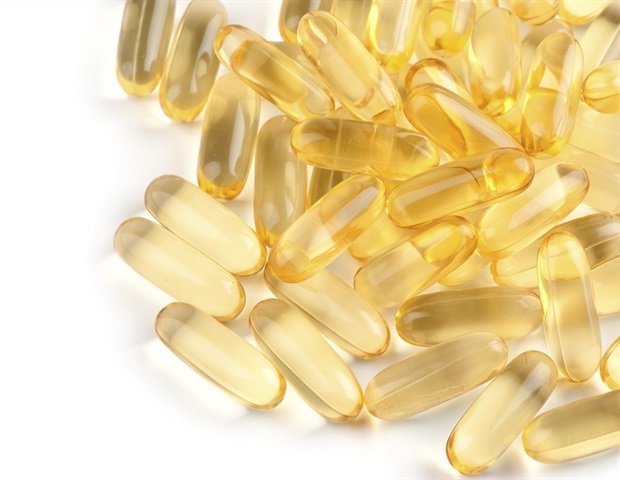
EHU research shows that vitamin D supplements can help strengthen your immune system, but they have no effect on improving your athletic performance.
Eneko Fernandez studied the effects of taking vitamin D as a supplement in runners and non-runners. The results show that it may benefit the body’s defense mechanisms, but has no direct effect on maximal oxygen consumption, explosive leg strength, or isometric muscle strength. The study also showed that runners who trained outdoors had higher vitamin D levels.
Vitamin D is important for the body to function properly. Vitamin D balances the immune system, keeps bones healthy, and helps with muscle regeneration. However, 1 billion people around the world are vitamin D deficient. This is especially true in winter, as UVB rays rarely reach the earth’s surface. In fact, your body produces 80% of these vitamins from solar radiation (the rest comes from your diet). With this in mind and the physiological functions of vitamin D, there has been increased interest in how vitamin D can impact both health and physical performance when taken as a supplement.
In this regard, Eneko Fernandes, a researcher at the EHU University in the Basque Country, conducted a study on runners and non-runners in collaboration with the University of Urbino in Italy. Some participants took vitamin D supplements daily for eight weeks during the fall and winter, while others did not. “At the beginning and end of the study, we conducted blood tests and physical exams on everyone. Not surprisingly, the vitamin D levels of the runners who took the supplement increased. We knew this would happen beforehand, but we made an important finding: After a two-month period, the vitamin D levels of the runners who did not take the supplement and the non-runners who took the supplement were very similar,” Fernandez explained.
Researchers say this is because runners train outdoors in the sun, with more exposed skin.
Therefore, one of the main conclusions is that outdoor physical activity is a highly effective strategy to combat vitamin D deficiency and also provides other health benefits that cannot be obtained with supplements. ”
Eneko Fernández, EHU-Basque University Researcher
Effects of vitamin D supplements on the immune system and physical performance
The EHU study concluded that vitamin D supplements help strengthen the immune system by considering participants’ blood analysis. In fact, the white blood cell counts of those who took the supplement improved. “In other words, the supplement has a positive effect on the body’s defense cells, the white blood cells. That doesn’t mean that taking vitamin D supplements will prevent you from getting sick. What it does mean is that it will help you maintain a more balanced immune system and strengthen your body’s defenses against infections and viruses,” Fernandez said.
When it comes to physical performance, the results are clear. Studies have confirmed that vitamin D supplements have no direct effect. These conclusions were drawn from physical tests performed by the participants. Maximal oxygen consumption and leg strength (explosive strength, jumping strength, isometric static leg press) were measured. No differences were observed in the three tests performed before and after treatment.
“Vitamin D is different from taking steroids or EPO. It doesn’t improve performance. That wasn’t surprising either, but this study helped confirm this. We also found that runners were in peak physical condition. And don’t think they’re marathon runners; they’re amateurs. So, while vitamin D supplements may have some benefits, the recommendation is not to take them.The recommendation is to go outside more and wear less clothing if possible.Here’s how to do this without getting cold.For example, just going outside and exercising for 20-30 minutes is enough. There is a big difference between doing nothing and doing very little,” emphasized the EHU researcher.
sauce:
University of the Basque Country
Reference magazines:
Gervasi, M. others. (2026). Effects of vitamin D supplementation during fall and winter on blood biomarkers and physical performance in runners and non-runners. scientific report. DOI: 10.1038/s41598-026-38528-1. https://www.nature.com/articles/s41598-026-38528-1
