


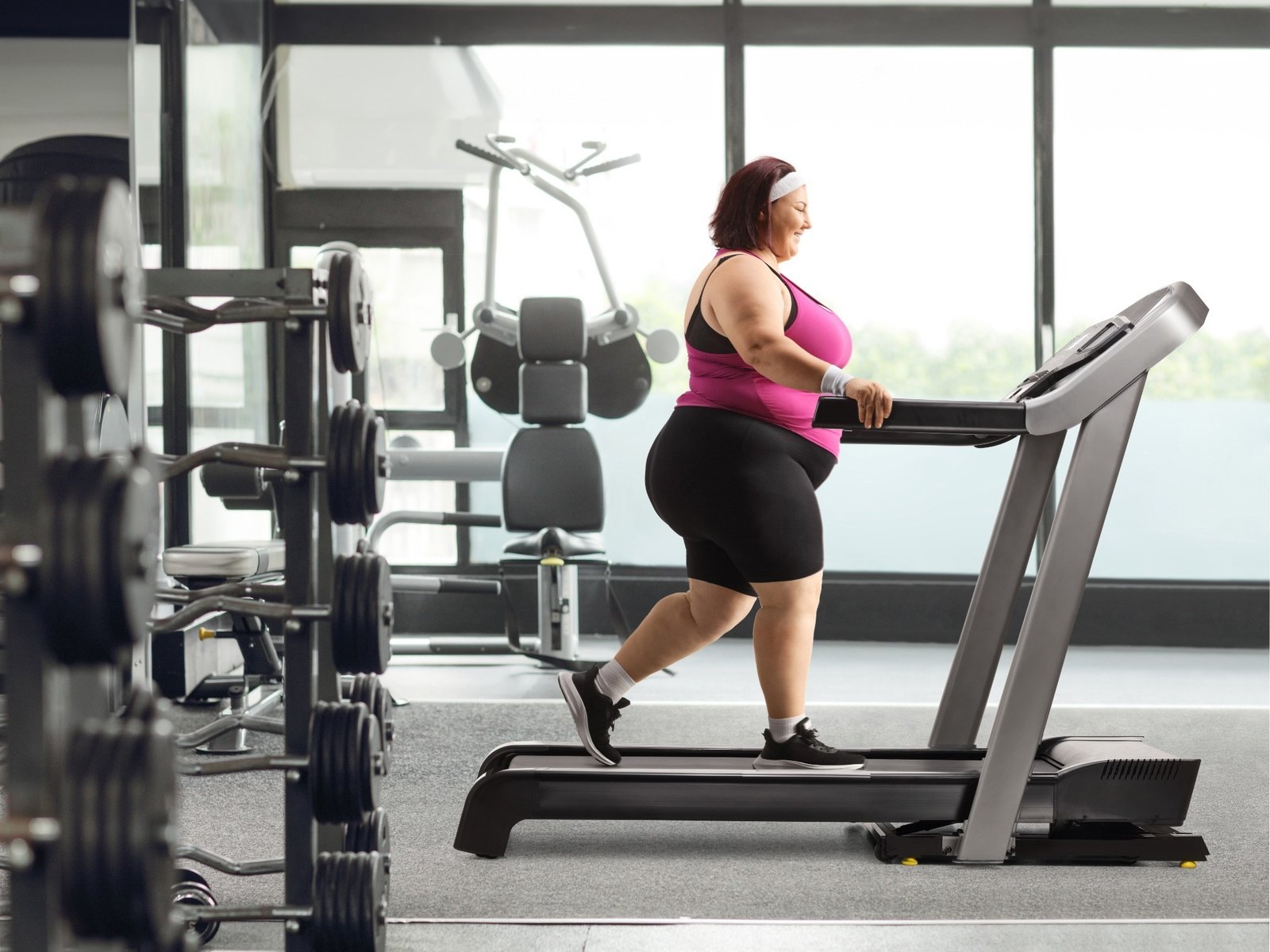
A new scientific statement from the American Heart Association finds that even if the scale barely moves, exercise goes far beyond just losing weight, improving cardiovascular health, maintaining physical fitness, and enhancing long-term obesity treatment outcomes.
 Study: The role of physical activity in obesity treatment and cardiometabolic health: American Heart Association scientific statement. Image credit: Ljupco Smokovski/Shutterstock.com
recent scientific statements american heart association circulation Summarizes the role of physical activity in the treatment of obesity and cardiometabolic health.
Exercise improves health beyond weight loss
Obesity is associated with hypertension, dyslipidemia, and insulin resistance, making it a major contributor to cardiovascular disease (CVD) risk. Approximately 42% of U.S. adults are affected. Obesity management focuses on weight loss (WL) and CVD risk reduction, with physical activity (PA) being a central component of both. The AHA statement summarizes the role of physical activity (PA) in cardiometabolic health, WL, and weight loss maintenance (WLM) and highlights behavioral strategies to increase PA in overweight and obese populations.
Multiple studies have shown that PA provides independent cardiometabolic benefits, including lower blood pressure, improved insulin sensitivity, and favorable changes in lipid profile. Both aerobic and resistance exercise methods are effective, with higher exercise volumes generally leading to significantly improved weight loss results, and higher exercise intensities may have additional benefits in improving cardiorespiratory fitness.
PA alone is unlikely to result in substantial WL unless performed in large quantities. Although most people achieve moderate WL, less than 15% achieve clinically significant reductions with PA alone. Combining PA and caloric restriction increases WL and improves cardiometabolic outcomes, but physiological adaptations such as increased hunger and decreased metabolic rate may reduce these effects. Adequate protein intake and strength training help maintain lean body mass during WL.
Long-term WLM remains difficult because health gains are often reversed when weight is regained. High levels of PA (200-300 minutes per week) are associated with improved WLM, but adhering to these amounts is difficult for many people. It is recommended to gradually progress to at least 150 minutes of moderate-to-intensity PA per week, increasing further as needed. Maintaining PA supports continued cardiometabolic health, even if you gain some weight back.
Weight loss treatment can be carried out in parallel with an active lifestyle
For people with a high BMI, bariatric drugs and bariatric surgery are important options when lifestyle changes are not enough. Although pharmacological treatments such as GLP-1 receptor agonists (GLP-1RA) and bariatric surgery are effective, their use is limited by cost, access, and side effects. These interventions should be accompanied by ongoing lifestyle strategies, especially increased physical activity to improve weight management.
The advent and expansion of GLP-1RA-based obesity drugs such as liraglutide, semaglutide, and tirzepatide have significantly improved pharmacological WL outcomes, with several trials reporting weight loss outcomes that approximate those observed after bariatric surgery. These drugs work primarily by decreasing appetite and slowing gastric emptying, but side effects are common but often manageable.
Clinical trials have demonstrated significant weight loss, and some GLP-1RAs are also associated with improved cardiovascular outcomes in certain patient populations. For example, liraglutide and semaglutide have been shown to reduce serious adverse cardiovascular events in selected high-risk populations. However, the statement notes that the independent and synergistic contributions of physical activity to these outcomes remain understudied. Nevertheless, most studies lack a detailed analysis of the independent or synergistic effects of PA in combination with pharmacotherapy, leaving questions about the optimal exercise regimen for this population.
Regarding lean body mass, a significant portion of total WL with GLP-1RA therapy is attributable to lean tissue loss, but the clinical significance of this remains unclear. Although there are limited studies directly comparing pharmacotherapy alone and pharmacotherapy combined with pharmacotherapy and exercise, available evidence suggests greater fat and weight loss and improvements in cardiorespiratory fitness (CRF) when incorporating PA. However, robust controlled trials are needed to clarify the specific benefits and optimal characteristics of PA for patients receiving pharmacotherapy for obesity.
Bariatric surgery candidates generally have low PA levels, and there are no standard preoperative guidelines. Although insurance may require a preoperative PA program, evidence regarding its impact on outcomes is limited and mixed. After surgery, greater PA is associated with greater weight loss, fat loss, maintenance, cardiorespiratory fitness, and muscle strength. However, the effects on cardiometabolic risk factors remain inconsistent, and access to post-surgical PA programs is often limited.
Wearables and coaching may improve exercise adherence
Clinicians are essential in supporting WL and promoting PA by implementing structured, evidence-based interventions such as the 5A model (Assess, Advise, Consent, Support, Accommodate). The 5A framework enhances obesity management by building physician-patient communication, guiding clinical assessment, and ensuring systematic follow-up. Each incremental step within this model increases patient engagement in WL strategies such as dietary modification and increased PA, thereby promoting a more consistent adoption of health-promoting behaviors.
Effective application requires a thorough assessment of the patient’s current PA level and any associated psychosocial or comorbid conditions that may impede progress. Clinicians should assess readiness and self-efficacy for behavior change and tailor counseling to each individual’s clinical profile. This approach increases patient motivation, strengthens the therapeutic alliance, and supports adherence to PA as a treatment component.
Operating the 5A model also includes helping patients identify and address barriers to PA, collaborative problem solving, and facilitating access to interdisciplinary resources. Given the limitations of short clinic visits and the need for ongoing support, behavioral counseling and referral to digital health programs may enhance accountability and maintenance of PA.
The statement also highlights the growing role of wearables, smartphone applications, text messaging, personalized feedback, and self-monitoring tools in supporting physical activity. At the same time, it addresses important considerations regarding digital health equity, accessibility, and the effectiveness and reliability of activity tracking devices. Repeated assessments and structured follow-up are essential for long-term success in obesity and cardiometabolic health management.
Exercise remains the cornerstone of obesity treatment
PA is an important component of comprehensive obesity treatment and supports WL, WLM, and overall health. While advances in pharmacotherapy and bariatric surgery are important, incorporating PA as an adjunctive therapy provides additional benefits for cardiovascular risk, body composition, CRF, and quality of life. Importantly, many of these cardiometabolic and fitness benefits occur independently of weight loss, highlighting the value of physical activity even when weight loss is modest.
Interdisciplinary collaboration between clinicians and ancillary health professionals is essential to promoting and sustaining WL. Programs should be designed to be effective, accessible, and affordable, especially for under-resourced populations with high rates of obesity and low levels of PA. Highlighting the broad benefits of PA can promote long-term success in obesity treatment and reduce the burden of obesity-related cardiovascular disease.
Download your PDF copy now.
