


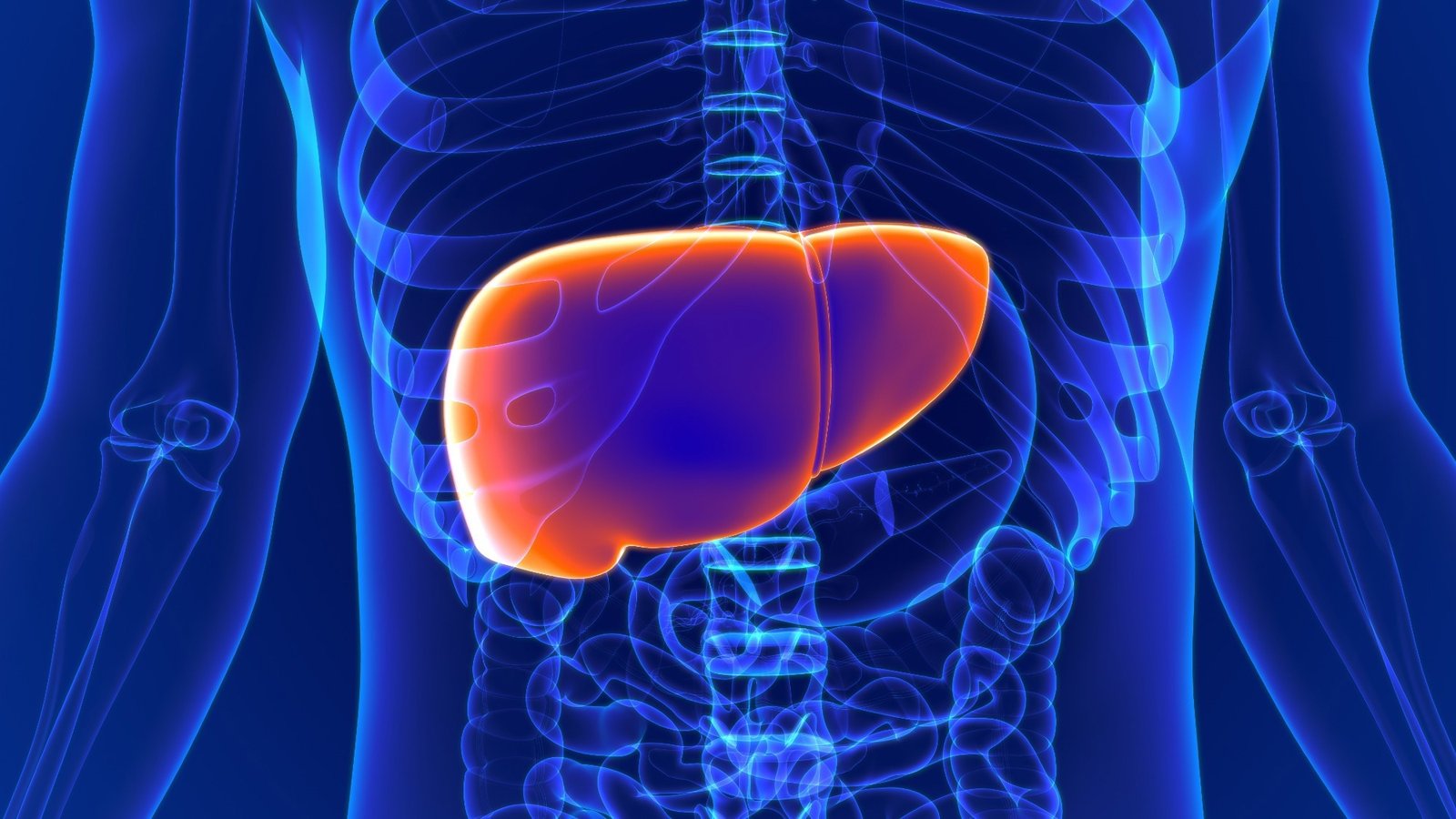
A small Italian study tested whether an individual’s preferred daily schedule matched up with hidden liver changes, but found no clear signs.
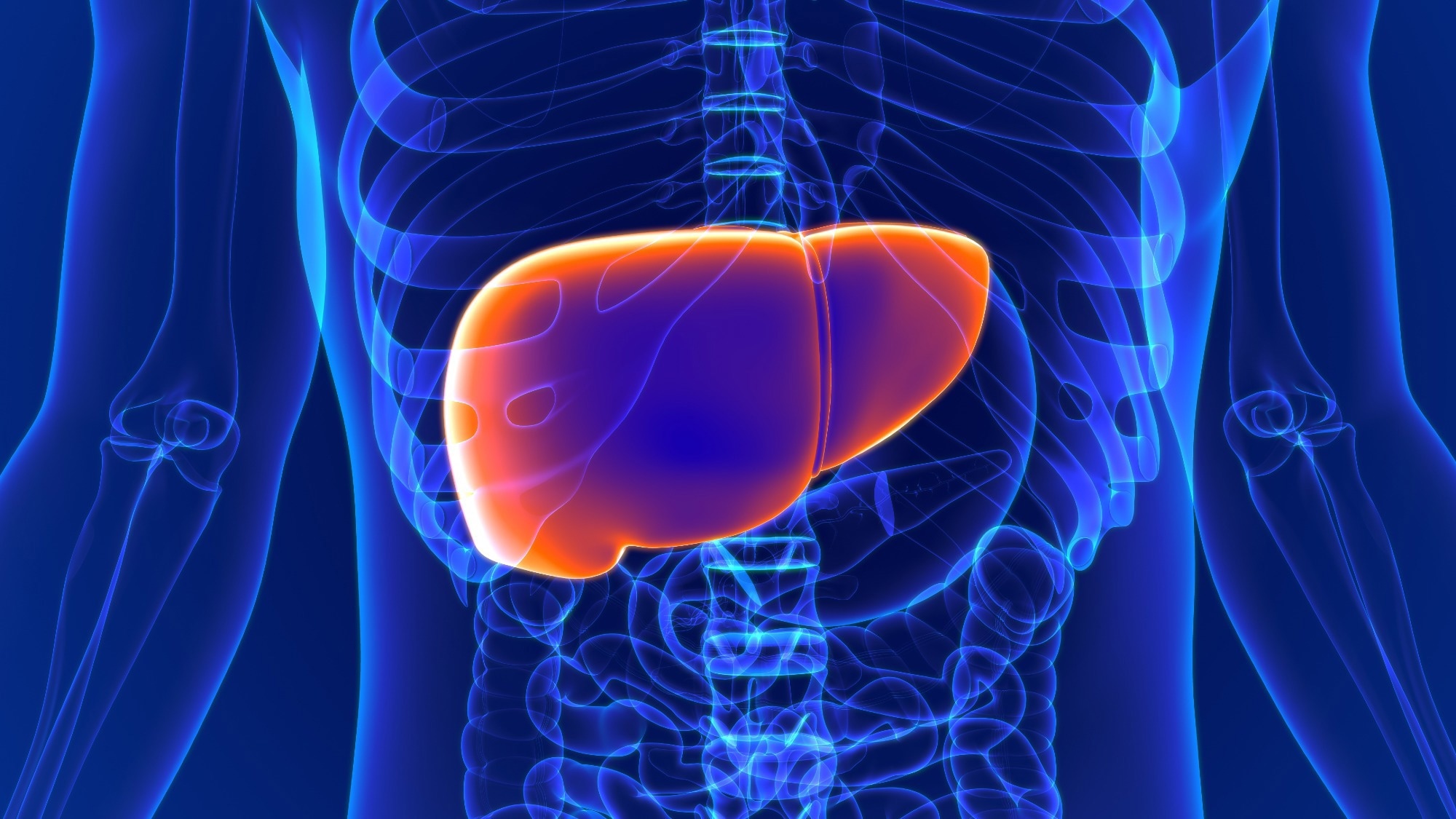
Chronotype and Fibroscan-derived liver markers in obese adults: preliminary evidence from a cross-sectional study. Image credit: mybox / Shutterstock
Recent research published in journals nutrients investigated the association between chronotype and FibroScan-derived fatty liver and fibrosis in overweight or obese adults.
Circadian rhythms, chronotypes, and metabolic liver disease
The circadian timing system synchronizes physiological and behavioral rhythms with external light-dark cycles to maintain metabolic balance. This system regulates energy metabolism, endocrine function, nutrition and sleep-related behaviors.
Chronotype represents an individual’s preference for the timing of daily activities and is commonly assessed using the Morning and Evening Questionnaire (MEQ). Morning owls tend to follow an earlier schedule, while night owls reach peak alertness and performance later in the day. Importantly, evening chronotype is often associated with a misalignment between endogenous rhythms and social demands, and disturbances in sleep, meal timing, and other behaviors related to metabolic health.
This misalignment is known as time disruption and is associated with adverse metabolic and cardiovascular effects. Evening chronotype may further contribute to increased inflammatory activity in visceral adipose tissue, indicating metabolic dysfunction and increased cardiometabolic risk.
Although circadian dysregulation is recognized as a contributor to metabolic diseases, the influence of chronotype on the progression of fatty liver and fibrosis remains unclear. Metabolic dysfunction-associated fatty liver disease (MASLD) is characterized by hepatic fat accumulation in individuals with metabolic risk factors. Although steatosis represents the early stages of the disease, progression to steatohepatitis and fibrosis increases long-term risks such as cirrhosis and hepatocellular carcinoma. In particular, fibrosis represents a more advanced stage of liver disease, has important prognostic implications, and is caused by mechanisms such as insulin resistance, oxidative stress, and chronic inflammation.
Emerging evidence associates the evening chronotype with less favorable liver phenotypes, including a higher likelihood of fibrosis and increased liver fat content. Nevertheless, most studies rely on histology, ultrasound, or surrogate indicators, and the use of quantitative FibroScan-derived assessments of hepatic steatosis and fibrosis is limited. This methodological gap limits a comprehensive understanding of the relationship between clonotype and liver disease.
Researchers investigated the association between chronotype and liver symptoms
The current exploratory cross-sectional study conducted at Italy’s National Institute of Gastroenterology investigated whether chronotype, as measured by MEQ, is associated with hepatic steatosis and fibrosis, as assessed by FibroScan, a non-invasive imaging tool that quantifies liver fat and stiffness, in overweight or obese adults who are not receiving drug treatment.
From February 2023 to July 2024, adults aged 18 to 65 with a BMI ≥25 kg/m² and not on ongoing drug treatment were targeted. Key exclusions included previously diagnosed diabetes, cardiovascular disease, chronic kidney disease, psychiatric illness, pregnancy or lactation, alcohol intake above defined thresholds, drug abuse, severe infections, and rare metabolic disorders.
At baseline, data on lifestyle, demographics, anthropometry, and fasting blood samples were collected. Anthropometric measurements were taken in the morning after an overnight fast. Chronotype was assessed using the Italian 19-item MEQ as a continuous variable. Liver fat and liver stiffness (indirect markers of fibrosis) were measured noninvasively using FibroScan within 1 week of enrollment.
The primary and secondary outcomes were hepatic steatosis assessed by FibroScan-derived controlled attenuation parameter (CAP) and liver stiffness assessed by liver stiffness measurement (LSM). Both were analyzed for correlation with chronotype.
Clonotype was not significantly associated with hepatic steatosis or fibrosis
A total of 119 participants were analyzed, including 58 men. The mean age was 41.5 years. 19% were current smokers. Fatty liver was present in 62% of participants, and 15% were classified as having fibrosis based on measurements of liver stiffness. The mean chronotype score was 56.34 MEQ units. Using established MEQ cutoffs, 39% were classified as evening types, 43% as neither type, and 19% as morning types.
The average CAP value was 290.63 dB/m and the average LSM was 6.45 kPa. Most participants reported moderate to high levels of physical activity. Obesity was highly prevalent, affecting 116 people, but none had previously been diagnosed with cardiovascular disease. Mild elevations in blood pressure were common, and previously undiagnosed type 2 diabetes was present in 9.2% of participants. Baseline metabolic markers showed significant insulin resistance. Vitamin D levels were slightly lower than normal, and total and LDL cholesterol were slightly increased.
Correlation analysis showed no significant association between chronotype and CAP or LSM, suggesting that chronotype was not associated with liver fat or stiffness in this sample. However, there was a positive correlation between CAP and LSM, suggesting a relationship between liver fat and stiffness.
A small inverse correlation was found between chronotype and thyroid hormones TSH and FT3, whereas a small positive correlation was observed between vitamin D levels and adherence to a Mediterranean diet. Due to the lack of multiple comparisons and statistical adjustment, these results should be interpreted with caution.
Furthermore, CAP values, which reflect liver fat, showed direct correlations with measures of excess weight such as BMI and waist circumference, insulin resistance, HbA1c, and liver enzyme levels. LSM was directly correlated with BMI, waist circumference, insulin resistance, and physical activity, but the association with HbA1c and liver enzyme levels was not statistically significant. Although these associations do not establish causation, they indicate that liver fat is associated with increased body weight, insulin resistance, HbA1c, and liver enzyme levels, and that liver stiffness is primarily associated with obesity and insulin resistance.
Multiple regression analysis adjusting for gender, age, insulin resistance, BMI, and waist circumference found no significant association between chronotype and liver fat or liver stiffness. Logistic regression models also showed no significant association between chronotype and the presence of steatosis or fibrosis. Sensitivity analyzes using classified clonotypes showed similarly null results.
Chronotype and MASLD progression require further investigation
In this study, we found no statistically significant associations between clonotype and FibroScan-derived measurements of fatty liver or fibrosis in primarily obese adults who were not receiving drug treatment. However, the confidence intervals are consistent with small to moderate effects, especially in the case of fibrosis, so a clinically relevant association cannot be completely excluded.
Further studies including larger, longitudinal, multicenter cohorts, healthy comparison groups, and objective assessment of circadian rhythm disturbances and chronotrophic behaviors are needed to clarify the potential role of chronotype in the development or progression of MASLD. The present findings should be considered hypothesis-generating because chronotype was self-reported and information on sleep, shift work, and meal timing was not available.
Reference magazines:
- Serabino, N. (2026). Chronotype and Fibroscan-derived liver markers in obese adults: preliminary evidence from a cross-sectional study. nutrients. 18(14), 2342. Doi: 10.3390/nu18142342, https://www.mdpi.com/2072-6643/18/14/2342
