

Close Menu

    Subscribe to Updates

    Get the latest creative news from FooBar about art, design and business.

    What's Hot

    How AI will reshape digital health funding in 2026

    July 13, 2026

    Why do young healthy non-smokers develop lung cancer?

    July 13, 2026

    Last polio patient in the US who used an iron lung died at age 78

    July 13, 2026
    Facebook X (Twitter) Instagram
    Facebook X (Twitter) Instagram
    Health Magazine
    • Home
    • Environmental Health
    • Health Technology
    • Medical Research
    • Mental Health
    • Nutrition Science
    • Pharma
    • Public Health
    • Discover
      • Daily Health Tips
      • Financial Health & Stability
      • Holistic Health & Wellness
      • Mental Health
      • Nutrition & Dietary Trends
      • Professional & Personal Growth
    • Our Mission
    Health Magazine
    Home » News » Why do young healthy non-smokers develop lung cancer?
    Nutrition Science

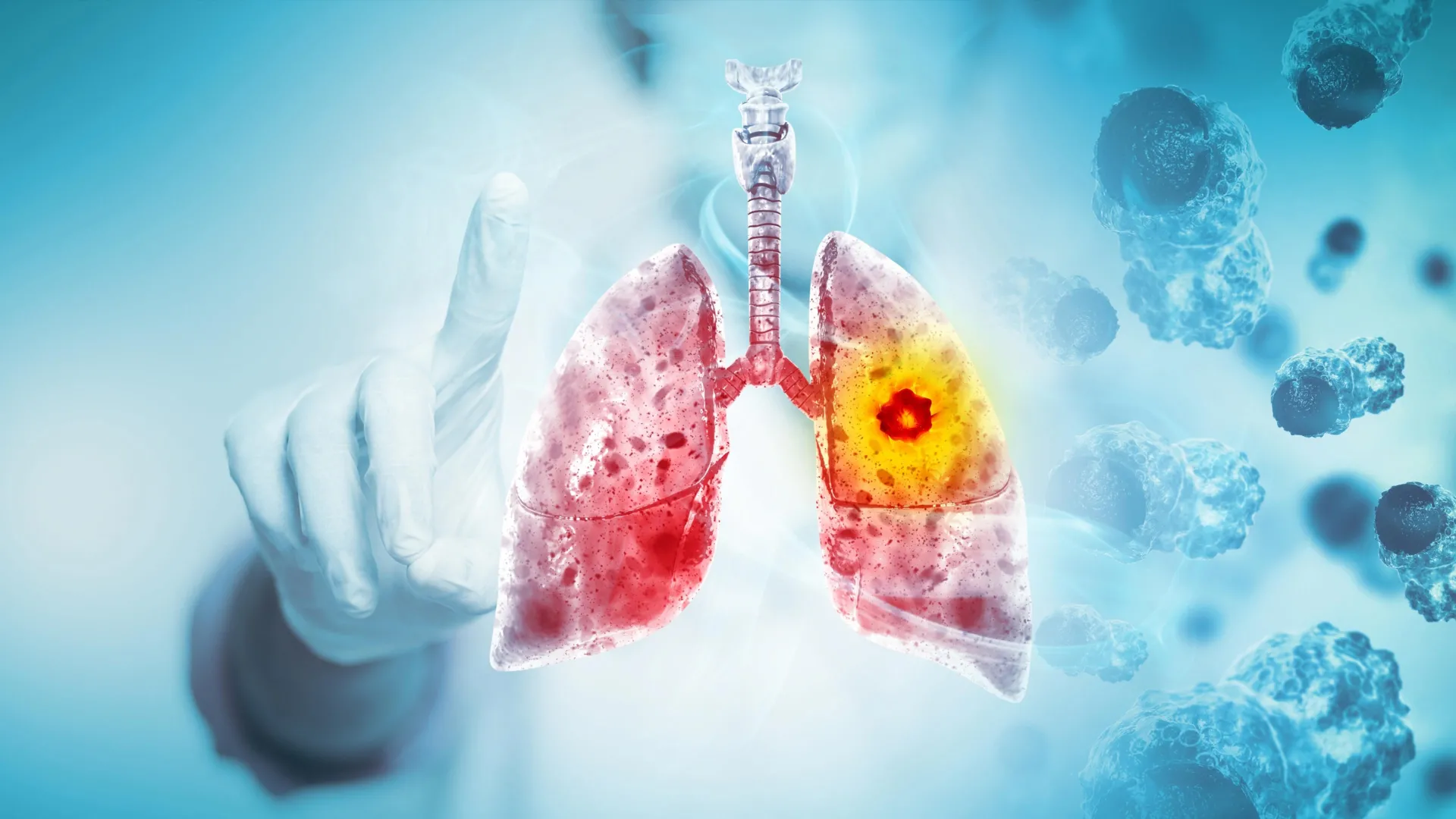
    Why do young healthy non-smokers develop lung cancer?

    healthadminBy healthadminJuly 13, 2026No Comments5 Mins Read
    Why do young healthy non-smokers develop lung cancer?
    Share
    Facebook Twitter Reddit Telegram Pinterest Email


    A diet rich in fruits, vegetables, and whole grains is widely considered to be one of the best ways to support overall health and reduce the risk of many diseases, including cancer.

    But new research from the University of Southern California Norris Comprehensive Cancer Center, part of the Keck School of Medicine at the University of Southern California, suggests an unexpected possibility. Research presented at the American Association for Cancer Research’s annual meeting shows that young Americans under age 50 who have never smoked and who consume more of these healthy foods than average may be at higher risk of developing lung cancer.

    “Our study shows that young nonsmokers who consume more healthy foods than the general population are more likely to develop lung cancer,” said Jorge Nieva, MD, a medical oncologist and lung cancer expert at USC Norris and the study’s principal investigator. “These counterintuitive findings raise important questions about unknown environmental risk factors for lung cancer associated with beneficial foods that need to be addressed.”

    Researchers suspect exposure to pesticides may play a role

    Researchers stress that the food itself is not thought to be at fault. Rather, they suspect that exposure to pesticides may help explain this surprising pattern.

    According to Nieva, commercially grown (non-organic) fruits, vegetables and whole grains generally contain higher levels of pesticide residues than dairy products, meat and many processed foods. He also pointed to previous research showing that agricultural workers exposed to pesticides over long periods of time have higher rates of lung cancer, supporting the hypothesis.

    The study also found that women under 50 who had never smoked were more likely to develop lung cancer than men in the same age group. Women in the study also tended to eat more fruits, vegetables, and whole grains than men.

    Increase in lung cancer cases among young non-smokers

    Lung cancer has traditionally been thought to be associated with older people, smokers, and men. The average age at diagnosis was 71 years.

    Smoking rates have steadily declined since the mid-1980s, contributing to a decline in lung cancer cases across the United States, but one group has not followed the trend. Lung cancer is more common among nonsmokers under the age of 50, especially women, who are more likely to develop lung cancer than men in the same age group.

    To better understand why, researchers launched the Juvenile Lung Cancer Epidemiology Project. The study involved 187 people diagnosed with lung cancer before age 50. Participants provided information about diet, smoking history, demographics, and cancer diagnosis.

    Most had never smoked and were diagnosed with a type of lung cancer that is biologically different from the type caused by regular smoking. A 2021 study by the Young Lung Cancer Epidemiology Project, the Young Lung Cancer Genomics Project, also found that lung cancer diagnosed before age 40 has a different subtype than lung cancer seen in older people.

    Healthier diets were more common among patients

    Researchers compared the participants’ diets to that of the general U.S. population using the Healthy Eating Index (HEI), a 1-100 scoring scale for overall diet quality.

    The average HEI score for young non-smoking lung cancer patients was 65, compared to the national average of 57. Women in the study generally had higher scores than men.

    Participants also reported eating more fruits, vegetables, and whole grains than the average American. On average, they ate 4.3 servings of dark green vegetables and legumes and 3.9 servings of whole grains each day. By comparison, the typical American adult consumes 3.6 servings of dark green vegetables and legumes and 2.6 servings of whole grains each day.

    further research is needed

    Nieva stressed that the link between pesticide exposure and lung cancer remains unproven, and further research is needed, especially in young people and women.

    The researchers did not directly measure pesticide levels in the individual foods the participants ate. Instead, they used previously published data on average pesticide residues in food categories such as fruits, vegetables, and grains to estimate exposure.

    The next stage of research will involve directly measuring pesticide levels in patients’ blood or urine samples. This study may help determine whether certain pesticides are more strongly associated with lung cancer risk than others.

    “This study represents an important step toward identifying modifiable environmental factors that may contribute to lung cancer in young adults,” Nieva said. “Our hope is that these insights will inform both public health recommendations and future research on lung cancer prevention.”

    The study was supported by Addario Lung Cancer Medical Institute, a nonprofit organization dedicated to advancing lung cancer research and treatment, along with AstraZeneca, the Beth Longwell Foundation, Genentech, GO2 for Lung Cancer, and Upstage Lung Cancer.

    Additional funding was provided by the National Institutes of Health through grant number R25CA225513 and the National Cancer Institute through grant number P30CA014089.


    Source link

    Visited 2 times, 2 visit(s) today
    Share. Facebook Twitter Pinterest LinkedIn Telegram Reddit Email
    Previous ArticleLast polio patient in the US who used an iron lung died at age 78
    Next Article How AI will reshape digital health funding in 2026
    healthadmin

    Related Posts

    Stephen Hawking’s black hole law has received a major upgrade

    July 13, 2026

    Scientists have discovered that the brain doesn’t make decisions the way we think it does

    July 13, 2026

    Large-scale study finds that where you live may affect your risk of dementia

    July 13, 2026

    Quantum mechanics may not need imaginary numbers after all, physicists say

    July 13, 2026

    Scientists discover hidden heart valve risks associated with periodontal disease

    July 13, 2026

    Future moon landings could erase clues about how life began on Earth

    July 13, 2026
    Add A Comment
    Leave A Reply Cancel Reply

    Categories

    • Daily Health Tips
    • Discover
    • Environmental Health
    • Exercise & Fitness
    • Featured
    • Featured Videos
    • Financial Health & Stability
    • Fitness
    • Fitness Updates
    • Health
    • Health Technology
    • Healthy Aging
    • Healthy Living
    • Holistic Healing
    • Holistic Health & Wellness
    • Medical Research
    • Medical Research & Insights
    • Mental Health
    • Mental Wellness
    • Natural Remedies
    • New Workouts
    • Nutrition
    • Nutrition & Dietary Trends
    • Nutrition & Superfoods
    • Nutrition Science
    • Pharma
    • Preventive Healthcare
    • Professional & Personal Growth
    • Public Health
    • Public Health & Awareness
    • Selected
    • Sleep & Recovery
    • Top Programs
    • Weight Management
    • Workouts
    Popular Posts
    • 1773313737_bacteria_-_Sebastian_Kaulitzki_46826fb7971649bfaca04a9b4cef3309-620x480.jpgHow Sino Biological ProPure™ redefines ultra-low… March 12, 2026
    • pexels-david-bartus-442116The food industry needs to act now to cut greenhouse… January 2, 2022
    • 1773729862_TagImage-3347-458389964760995353448-620x480.jpgDespite safety concerns, parents underestimate the… March 17, 2026
    • 1773209206_futuristic_techno_design_on_background_of_supercomputer_data_center_-_Image_-_Timofeev_Vladimir_M1_4.jpegMulti-agent AI systems outperform single models… March 11, 2026
    • 1774403998_image_28620e4b6b0047f7ab9154b41d739db1-620x480.jpgGait pattern helps distinguish between Lewy body… March 24, 2026
    • Leukemia-620x480.jpgBiomimetic platform powers CAR T therapy for… March 9, 2026

    Demo
    Stay In Touch
    • Facebook
    • Twitter
    • Pinterest
    • Instagram
    • YouTube
    • Vimeo
    Don't Miss

    How AI will reshape digital health funding in 2026

    By healthadminJuly 13, 2026

    Venture capital funding for digital health startups is on the rise, driven by an AI-driven…

    Why do young healthy non-smokers develop lung cancer?

    July 13, 2026

    Last polio patient in the US who used an iron lung died at age 78

    July 13, 2026

    Stephen Hawking’s black hole law has received a major upgrade

    July 13, 2026

    Subscribe to Updates

    Get the latest creative news from SmartMag about art & design.

    HealthxMagazine
    HealthxMagazine

    At HealthX Magazine, we are dedicated to empowering entrepreneurs, doctors, chiropractors, healthcare professionals, personal trainers, executives, thought leaders, and anyone striving for optimal health.

    Our Picks

    Stephen Hawking’s black hole law has received a major upgrade

    July 13, 2026

    Wealth and air pollution emerge as the biggest predictors of state autism rates

    July 13, 2026

    Novogene Europe launches untargeted metabolomics services at Cambridge Omics Center

    July 13, 2026
    New Comments
      Facebook X (Twitter) Instagram Pinterest
      • Home
      • Privacy Policy
      • Our Mission
      © 2026 ThemeSphere. Designed by ThemeSphere.

      Type above and press Enter to search. Press Esc to cancel.