


Clinical trials testing two drugs against the Bundibugyo Ebola virus, which is spreading rapidly in Central Africa, are scheduled to begin next week, World Health Organization officials said Wednesday.
The clinical trial, which will test both Gilead Sciences’ antiviral drug remdesivir and MapBio’s monoclonal antibody MBP-134, will be conducted in the Democratic Republic of Congo. The trial is designed to test whether either treatment is effective against this form of Ebola and whether using the two in combination is a more effective way to fight the disease.
The current outbreak is the third largest on record and is growing at an alarming rate in the Democratic Republic of Congo. The outbreak has mainly occurred in the northeastern part of the country, where political instability has been prolonged, many people have been displaced, and food shortages continue. As of early this week, the Democratic Republic of Congo had around 1,100 confirmed cases and more than 275 deaths. Neighboring Uganda has confirmed a few imported cases, but the spread of infection within the country has been limited, with 20 confirmed cases and two deaths so far.
The US government provided doses of MBP-134 for clinical trials. The United States is funding monoclonal antibody research through the Biomedical Advanced Research and Development Authority (BARDA) and owns the doses produced by MappBio.
It is believed that MBP-134 could be used both as a therapy to treat people who have developed Ebola and as a prophylaxis to prevent disease in people who have been exposed to the virus, but only the former use will be tested at this time.

WHO director-general deeply concerned after visiting Ebola outbreak area
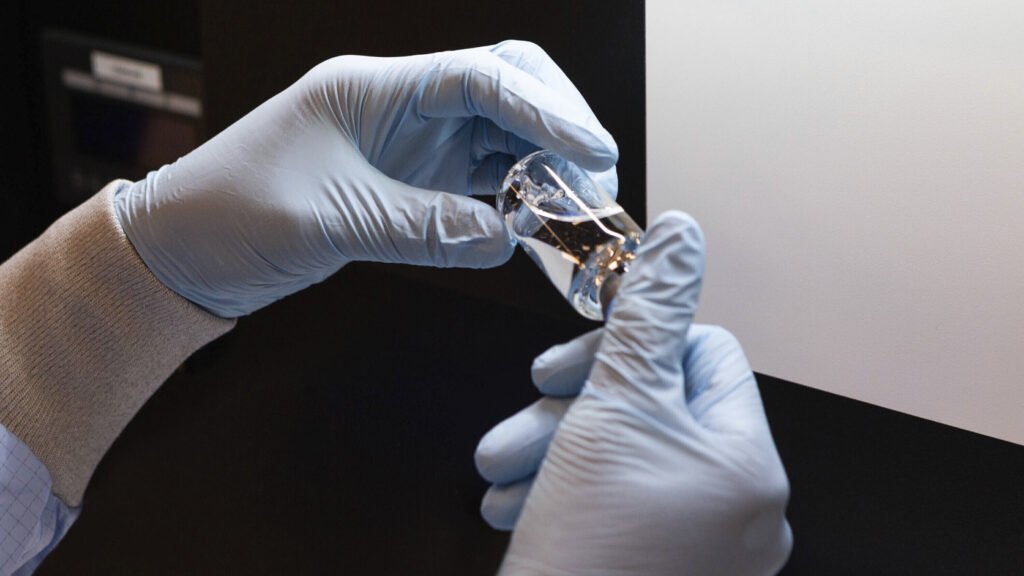
Gilead supplied remdesivir for the trial.
No drugs or vaccines have been proven to be effective against the Bundibugyo strain of Ebola, which is a challenge in the current outbreak. This is the third known outbreak involving this species, which was first discovered in 2007.
Another challenge is that the Bundibugyo strain of Ebola can cause less severe disease in some cases. Studies in primates have shown that some animals can survive the disease on their own after being exposed to lethal doses of other types of Ebola.
Because the mortality rate associated with this Ebola strain is likely to be low, clinical trials are expected to be larger than usual, said Vathy Moorthy, acting leader of the WHO’s research and development blueprint group.
“This means we are looking at about 1,000 participants who need to be enrolled in the trial before we can expect to get answers about the safety and effectiveness of these options,” Moorthy said.
He said a variety of non-governmental organizations operating Ebola treatment facilities in the affected areas will enroll participants in the trial, including ALIMA, Médecins Sans Frontières and the religious charity Samaritan’s Purse.
The trial is being carried out by a consortium of organizations including the DRC, the National Institute of Biomedical Research, ALIMA, the University of Oxford and the WHO.
