

Close Menu

    Subscribe to Updates

    Get the latest creative news from FooBar about art, design and business.

    What's Hot

    The Growing Challenge of Treatment-Resistant Depression for Clinicians and Policymakers

    August 12, 2026

    The Core Problem with 2025-2030 DGAs for Clinical Practice

    August 11, 2026

    The Urgent Health Risks from Climate Change and Pollution

    August 10, 2026
    Facebook X (Twitter) Instagram
    Facebook X (Twitter) Instagram
    Health Magazine
    • Home
    • Environmental Health
    • Health Technology
    • Medical Research
    • Mental Health
    • Nutrition Science
    • Pharma
    • Public Health
    • Discover
      • Daily Health Tips
      • Financial Health & Stability
      • Holistic Health & Wellness
      • Mental Health
      • Nutrition & Dietary Trends
      • Professional & Personal Growth
    • Our Mission
    Health Magazine
    Home » News » Microbes cause cell death and enhance the effectiveness of cancer immunotherapy
    Discover

    Microbes cause cell death and enhance the effectiveness of cancer immunotherapy

    healthadminBy healthadminJune 24, 2026No Comments4 Mins Read
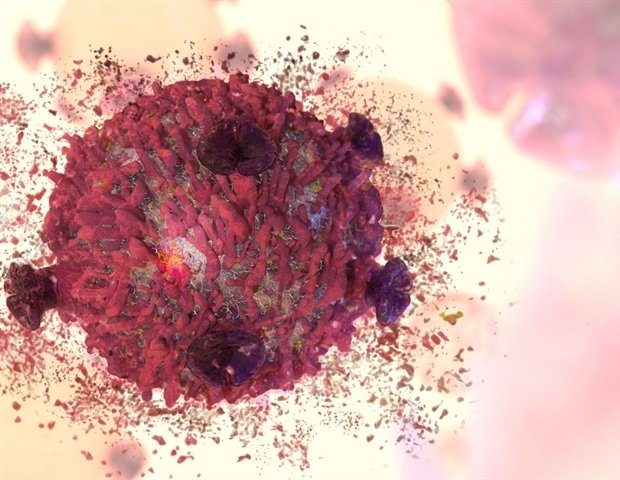
    Microbes cause cell death and enhance the effectiveness of cancer immunotherapy
    Share
    Facebook Twitter Reddit Telegram Pinterest Email


    Conventional cancer treatments such as chemotherapy and radiotherapy can induce immunogenic cell death (ICD), but their efficacy is often limited by drug resistance, severe off-target toxicity, and immune-related adverse events. Additionally, the immunosuppressive tumor microenvironment often compromises the ability of these treatments to elicit a long-lasting, body-wide immune response. As a result, many tumors remain “cold” and unresponsive to advanced immunotherapies, including immune checkpoint inhibitors (ICIs). The gut microbiota contributes to cancer development and therapeutic modulation through chronic inflammation, direct DNA damage, and metabolite-mediated signaling pathways such as Wnt/β-catenin and nuclear factor-κB. Based on these challenges, in-depth studies on novel biocompatible agents that can safely and efficiently trigger ICDs, such as the human body’s own microbiota, are urgently needed.

    Researchers from China Medical University Cancer Hospital and Liaoning Cancer Hospital and Research Institute in Shenyang, China, published a comprehensive review on this topic (DOI: 10.20892/j.issn.2095-3941.2025.0769). This study will be published in the May 2026 issue. Cancer biology and medicine. The research team details how bacteria, viruses, fungi, and their metabolic byproducts trigger ICD. Their studies show that these microbial agents reshape the tumor microenvironment (TME) and activate long-term systemic antitumor immunity, presenting a promising new frontier for combination therapy in cancer.

    This review focuses on the multiple mechanisms by which microorganisms induce ICD. infectious disease Pseudomonas aeruginosa It causes tumor cell necrosis through phosphorylation of receptor-interacting protein kinase 3 (RIP3) and mixed lineage kinase domain-like protein (MLKL) and release of high mobility group box 1 (HMGB1). This is a feature of ICD. Similarly, when infected with melanoma cells, Typhimurium It causes cytoplasmic vacuolization and increased extracellular adenosine triphosphate (ATP) release, allowing efficient phagocytosis by antigen-presenting cells (APCs). Among probiotics, Bacillus casei ATCC 393 treatment upregulates death receptor FS7-related cell surface antigen and death receptor 4/5, and simultaneously promotes calreticulin (CRT) surface exposure and HMGB1 nuclear translocation. Beyond bacteria as a whole, fungal metabolites are powerful inducers. compounds from Aspergillus burns MHO7, called MHO7, causes the generation of reactive oxygen species (ROS) and activates the protein kinase R-like ER kinase/eukaryotic initiation factor 2α/activated transcription factor 4/C/EBP homologous protein (PERK/eIF2α/ATF4/CHOP) pathway, causing triple-negative breast cancer cells to release DAMPs and recruit CD4+ and CD8+ T cells while decreasing regulatory T (Treg). cell. This review also investigates how short-chain fatty acids (SCFAs) are produced by beneficial gut bacteria, including: Faecalibacteriumenhances CD8+ T cell cytotoxicity through the G protein-coupled receptor 109A/homeodomain-only protein homeobox signaling pathway.

    “The advantage of this approach is that it turns cell death, a fundamental biological process, into a powerful alarm signal for the immune system,” the authors explained. “We don’t just kill tumor cells; we use microbes to fundamentally change how the body recognizes and attacks tumor cells. By reprogramming the tumor microenvironment, we may be able to turn a patient’s own gut bacteria into a powerful ally against cancer.” It’s not just about adding another drug; it’s about rewiring the existing relationship between the microbiome and the immune system to create a durable, personalized anti-tumor response. ”

    This research opens several treatment avenues. Engineered bacterial strains such as attenuated Salmonella VNP20009 and Bifidobacterium spp. When combined with nanomaterials loaded with photothermal and chemotherapeutic agents, it can function as a highly efficient drug delivery vector that specifically accumulates in hypoxic tumors. Strategically combining probiotics with standard chemotherapy or ICIs may synergistically enhance therapeutic efficacy. Furthermore, simple dietary interventions, such as increasing fiber intake to generate anti-tumor SCFAs, provide a supportive strategy to modulate the gut microbiota and enhance ICD. The implications for patients, especially those resistant to current immunotherapies, are profound. By turning “cold” tumors into “hot” tumors, these microbial-based strategies could make immunotherapy effective for more people and turn the tide against hard-to-treat cancers such as pancreatic ductal adenocarcinoma (PDAC) and triple-negative breast cancer.

    sauce:

    Chinese Academy of Sciences

    Reference magazines:

    Lee, Y. others. (2026). Microbial reprogramming of immunogenic cell death: a new paradigm in tumor immunotherapy. Cancer biology and medicine. DOI: 10.20892/j.issn.2095-3941.2025.0769. https://www.cancerbiomed.org/content/early/2026/05/20/j.issn.2095-3941.2025.0769


    Source link

    Visited 7 times, 1 visit(s) today
    Share. Facebook Twitter Pinterest LinkedIn Telegram Reddit Email
    Previous ArticleWHO to test two US drugs against Ebola outbreak in Africa
    Next Article New eye imaging technology captures more retinal details
    healthadmin

    Related Posts

    Texas A&M researchers build AI tool for tuberculosis drug discovery

    July 30, 2026

    New ultrasound technology breaks blood-brain barrier to treat gliomas

    July 30, 2026

    Omalizumab wins multi-allergen oral immunotherapy in multi-food allergy trial

    July 30, 2026

    MAGFLO™ NGS beads: cost-effective nucleic acid purification

    July 30, 2026

    Qureight completes $20 million Series B funding

    July 30, 2026

    Cigarette smoke extract stimulates airway cells and increases nanoplastic damage

    July 30, 2026
    Add A Comment

    Comments are closed.

    Categories

    • Daily Health Tips
    • Discover
    • Environmental Health
    • Exercise & Fitness
    • Featured
    • Featured Videos
    • Financial Health & Stability
    • Fitness
    • Fitness Updates
    • Health
    • Health Technology
    • Healthy Aging
    • Healthy Living
    • Holistic Healing
    • Holistic Health & Wellness
    • Medical Research
    • Medical Research & Insights
    • Mental Health
    • Mental Wellness
    • Natural Remedies
    • New Workouts
    • Nutrition
    • Nutrition & Dietary Trends
    • Nutrition & Superfoods
    • Nutrition Science
    • Pharma
    • Preventive Healthcare
    • Professional & Personal Growth
    • Public Health
    • Public Health & Awareness
    • Selected
    • Sleep & Recovery
    • Top Programs
    • Weight Management
    • Workouts
    Popular Posts
    • 1773313737_bacteria_-_Sebastian_Kaulitzki_46826fb7971649bfaca04a9b4cef3309-620x480.jpgHow Sino Biological ProPure™ redefines ultra-low… March 12, 2026
    • pexels-david-bartus-442116The food industry needs to act now to cut greenhouse… January 2, 2022
    • 1773729862_TagImage-3347-458389964760995353448-620x480.jpgDespite safety concerns, parents underestimate the… March 17, 2026
    • 1774403998_image_28620e4b6b0047f7ab9154b41d739db1-620x480.jpgGait pattern helps distinguish between Lewy body… March 24, 2026
    • 1773209206_futuristic_techno_design_on_background_of_supercomputer_data_center_-_Image_-_Timofeev_Vladimir_M1_4.jpegMulti-agent AI systems outperform single models… March 11, 2026
    • Leukemia-620x480.jpgBiomimetic platform powers CAR T therapy for… March 9, 2026

    Demo
    Stay In Touch
    • Facebook
    • Twitter
    • Pinterest
    • Instagram
    • YouTube
    • Vimeo
    Don't Miss

    The Growing Challenge of Treatment-Resistant Depression for Clinicians and Policymakers

    By healthadminAugust 12, 2026

    Evidence-based insights on treatment-resistant depression, neuromodulation therapies like accelerated TMS, ECT, ketamine, and policy reforms for equitable mental health access.

    The Core Problem with 2025-2030 DGAs for Clinical Practice

    August 11, 2026

    The Urgent Health Risks from Climate Change and Pollution

    August 10, 2026

    AI-Powered Wearables and Telemedicine Trends Driving Adoption

    August 9, 2026

    Subscribe to Updates

    Get the latest creative news from SmartMag about art & design.

    HealthxMagazine
    HealthxMagazine

    At HealthX Magazine, we are dedicated to empowering entrepreneurs, doctors, chiropractors, healthcare professionals, personal trainers, executives, thought leaders, and anyone striving for optimal health.

    Our Picks

    AI-Powered Wearables and Telemedicine Trends Driving Adoption

    August 9, 2026

    The Urgent Health Crisis from Pollution and Climate Change

    August 8, 2026

    Overcoming Drug Development Challenges: What Pharmacologists and Executives Will Gain in 2026

    August 7, 2026
    New Comments
      Facebook X (Twitter) Instagram Pinterest
      • Home
      • Privacy Policy
      • Our Mission
      © 2026 ThemeSphere. Designed by ThemeSphere.

      Type above and press Enter to search. Press Esc to cancel.