


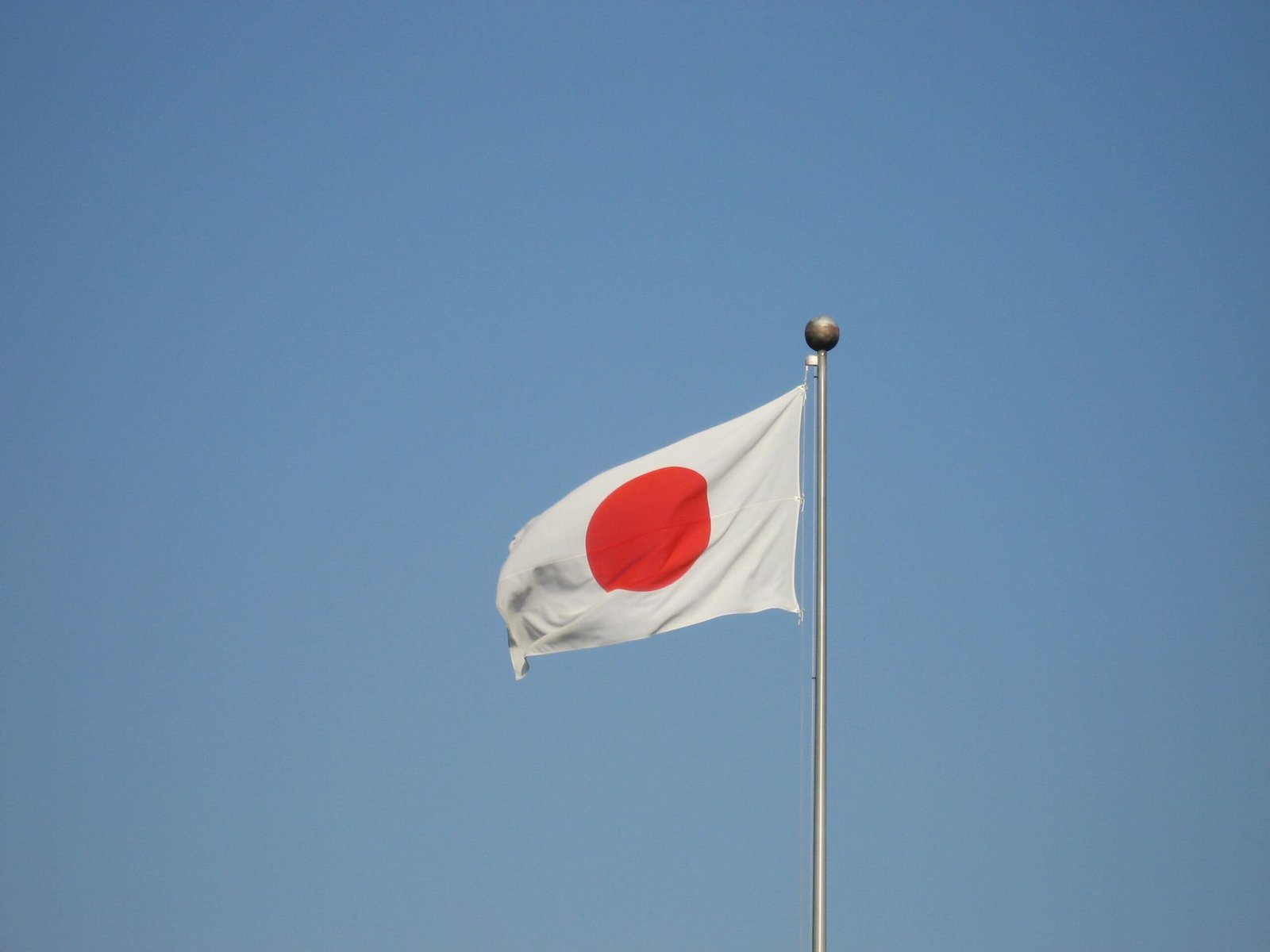
Amid China’s growing dominance in biopharmaceutical research and development, global pharmaceutical leaders visited neighboring Japan this week to discuss efforts to enhance its life science leadership potential with Prime Minister Sanae Takaichi.
Roche CEO Dr. Thomas Schinecker, who chairs the Biopharmaceutical CEO Roundtable (BCR), said in a May 26 release from global pharmaceutical industry association International Federation of Pharmaceutical Manufacturers and Manufacturers (IFPMA) that the conference in Japan was attended by more than 20 pharmaceutical leaders from local companies, the United States, and Europe, and was an “important opportunity to discuss the actions necessary for Japan to maintain its leadership in life sciences.”
“Investing in innovative medicines and vaccines is not only essential to improving health, but also a strategic investment that supports Japan’s economic growth, national security, and resilience,” said Schinecker. “We must work together to address the current decline in Japan’s share of global biopharmaceutical research and development and ensure that Japanese patients do not face widening disparities in access to life-saving treatments.”
Over the past decade, biopharmaceutical companies have invested 14 trillion yen ($87.9 billion) in research and development in Japan, and released more than 1,200 new drugs for the country, IFPMA said.
However, Japan’s share of global investment is in “structural decline” due to policy changes and increased global competition, as early-stage pipeline and clinical trial activity continues to move to other countries, according to IFPMA.
IFPMA notes that the United States’ most-favored-nation (MFN) drug pricing policy, which aims to tie U.S. drug prices to drug prices in certain high-income countries, particularly exacerbates this and exposes Japan to an “increasing competitive disadvantage.” According to the group, this external pressure and “repeated revisions to drug price rules” could contribute to a “widening gap” between medicines available to Japanese patients and those available to patients in other countries.
In light of this, a group of global pharmaceutical leaders has argued that increasing Japan’s government spending on innovative medicines is “core to addressing this gap”, claims IFPMA.
Hiroyuki Okusawa, CEO of Daiichi Sankyo and Vice Chairman of BCR, added, “Japan remains one of the traditional homelands of pharmaceutical innovation and will continue to be a center of Japan’s strength.” “Continuous innovation is essential to successfully address changing demographics, new health challenges and evolving global risks.”
Schinecker also said in a LinkedIn post that Takaichi’s meetings with cabinet ministers and pharmaceutical executives were “constructive and valuable interactions.”
“Our message was clear: Investment in medical innovation is critical to Japan’s health outcomes, economic growth, and resilience,” Sinecker said.
Japan’s “innovation gap” was previously raised when a BCR delegation met with Japanese government officials in 2023 and proposed a “public-private strategic dialogue” on potential drug price reform and research and development initiatives.
Recently, however, high-stakes policy changes and greater interest in China’s biotech innovations have led many countries, such as the UK, to focus on staying ahead of global competition.
Earlier this year, British Prime Minister Keir Starmer met with Chinese President Xi Jinping, along with AstraZeneca CEO Pascal Soriot, and AstraZeneca promised a huge investment of $15 billion. The company aims to invest in drug discovery, clinical development and manufacturing in China through 2030.
