


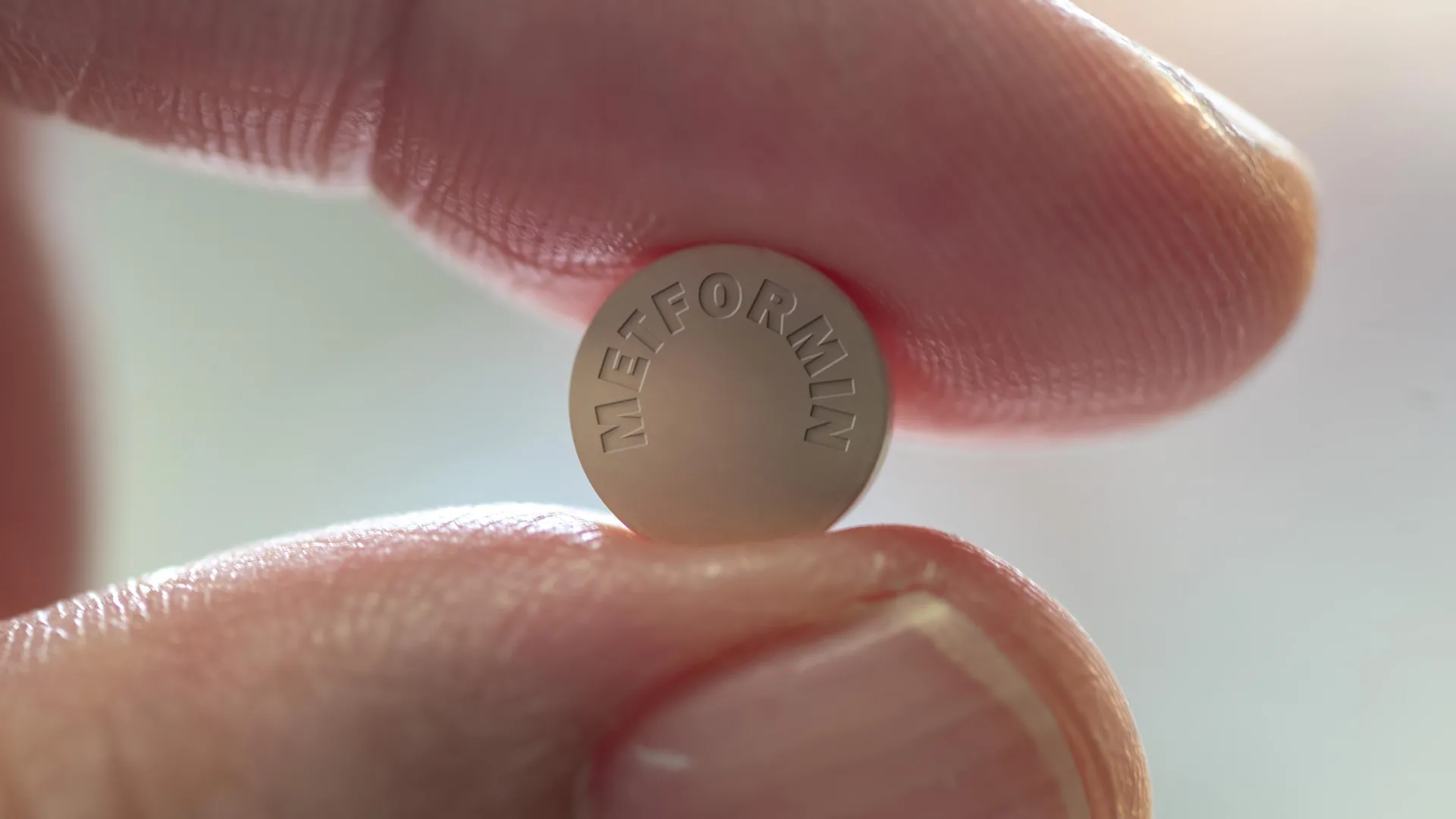
A new clinical trial led by the Garvan Institute of Medical Research suggests that metformin, a widely used and inexpensive type 2 diabetes drug, may help people with type 1 diabetes reduce the amount of insulin they need. The findings point to potential new ways to manage symptoms more effectively.
For years, doctors have prescribed metformin to some type 1 diabetics in hopes of improving insulin resistance. That approach is mostly based on limited evidence. The results of this controlled clinical trial show that while metformin does not improve insulin resistance in type 1 diabetes, it does help lower the amount of insulin needed to keep blood sugar levels in a healthy range.
Published in nature communicationsthis study highlights surprising benefits that may alleviate the daily challenges faced by people who rely on insulin therapy.
Type 1 diabetes management challenges
Type 1 diabetes is an autoimmune disease that affects more than 130,000 Australians. In this condition, the immune system attacks insulin-producing cells in the pancreas. As a result, patients must take insulin for the rest of their lives to control blood sugar levels.
Managing the disease can be challenging. People with type 1 diabetes make an estimated 180 additional decisions each day related to monitoring and regulating blood sugar levels.
Over time, some patients develop insulin resistance. This means that the patient’s body’s response to insulin is reduced. This may result in increasingly higher doses being required to maintain stable blood sugar levels.
“Insulin resistance is a serious problem in type 1 diabetes. In addition to making it difficult to regulate blood sugar levels, insulin resistance is an underappreciated risk factor for heart disease, which is one of the leading causes of health complications and death in people with type 1 diabetes,” said endocrinologist and study co-lead Dr. Jennifer Snaith.
Clinical trials of metformin in type 1 diabetes
To better understand whether metformin helps, researchers conducted the first randomized controlled trial of its kind in adults with type 1 diabetes. The study, known as the Insulin Resistance in Type 1 Diabetes Managed with Metformin (INTIMET) study, looked at whether the drug could reduce insulin resistance in this group.
Metformin is commonly used to treat type 2 diabetes and has already been prescribed off-label to as many as 13,000 Australians with type 1 diabetes. However, its precise impact in this population remains unclear.
“We randomized 40 adults with long-term type 1 diabetes to take either metformin or a placebo for six months. We used a sophisticated, comprehensive research technique called a clamp study to find out whether their insulin resistance had changed over that time. This allowed us to map insulin resistance in different parts of the body,” Professor Greenfield explains.
Unintended consequences of insulin use
The results did not match expectations. Researchers found no improvement in insulin resistance and no significant changes in blood sugar levels among people taking metformin.
However, there was one important discovery. Participants who took metformin needed about 12% less insulin to maintain stable blood sugar levels than participants in the placebo group.
“Although we found no change in insulin resistance with metformin use, we did show that people taking metformin used about 12% less insulin than those taking a placebo. This is an important result. Insulin is a relatively old treatment, and while it saves lives, it does take a toll on mental and physical health. “This means that reducing insulin use is a priority for many people living with type 1 diabetes. We have shown that a very inexpensive and easily available drug could help with this purpose. This is very important and very exciting,” says Dr. Snaith.
Scientists explore possible role of gut microbiome
Researchers are currently working to understand why metformin reduces the need for insulin, even though it has no effect on insulin resistance.
Professor Greenfield explains: “Metformin has been available in various forms for about 100 years, but its mechanism of action is still unknown. We expected that the reduction in insulin dose caused by metformin observed in our study would be due to the body becoming more sensitive to insulin, or less insulin resistance. However, we have shown that this is not the case. Our priority now is to elucidate how metformin achieves this effect.”
One leading idea concerns the gut microbiome. Scientists believe that metformin may affect gut bacteria in a way that affects how the body processes glucose.
“Increasing evidence suggests that metformin may have effects on the gut, so we are currently studying how metformin alters the gut flora (also known as the microbiome) in people with type 1 diabetes, which has not been previously studied in type 1 diabetes. We hope this will provide clues about metformin’s mechanism of action, allowing it to be used more widely in the management of type 1 diabetes,” Dr. Snaith added.
Funding and research team
This research was supported by the Australian Diabetes Research Program, St Vincent’s Clinic Research Foundation, UNSW Cardiovascular and Metabolic Medicine Theme, National Health and Medical Research Council, Melissa Green and Jonathan Green, Dr Leslie Green and Mrs Ginny Green.
Dr Jennifer Snaith is an endocrinologist and postdoctoral research fellow at St Vincent’s Hospital in Sydney. She is the clinical lead for the Australian Collaborative Research Toward Adjuvant Treatment of Type 1 Diabetes (ACT-T1D).
Professor Gerry Greenfield is a faculty member at the Garvan Institute of Medical Research, Chair of ACT-T1D, Director of Diabetes and Endocrinology at St Vincent’s Hospital, Sydney, and Director of the St Vincent’s Healthcare Campus at the Faculty of Medicine and Health in Sydney, New South Wales.
