


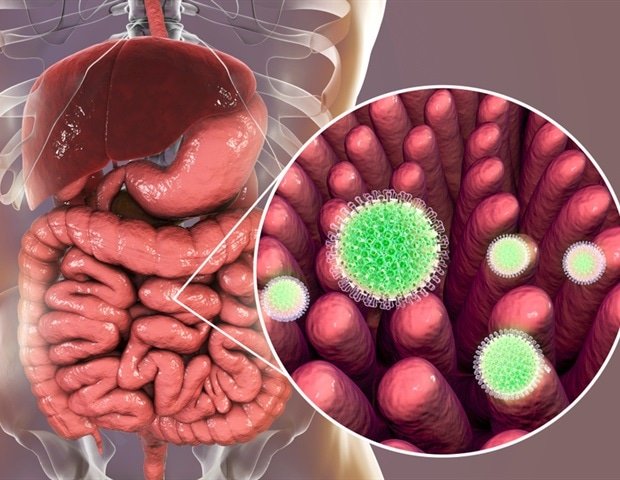
As increasing numbers of rotavirus cases are reported across the United States and New Jersey this spring, experts at Hackensack Meridian Children’s Hospital health Parents are urging parents to make sure their children are vaccinated against this common and potentially serious disease. Rotavirus is a contagious virus that can cause gastroenteritis, an inflammation of the stomach and intestines. Symptoms include severe watery diarrhea, vomiting, fever, and abdominal pain, which can lead to dehydration, hospitalization, and in rare cases, death.
Before the rotavirus vaccine was introduced in 2006, nearly every child in the United States contracted the virus at least once by their fifth birthday. According to the Centers for Disease Control and Prevention (CDC), this has resulted in more than 400,000 doctor visits, more than 200,000 emergency department visits, 55,000 to 70,000 hospitalizations, and 20 to 60 deaths of children under 5 annually. The CDC estimates that since the introduction of the vaccine, there have been 40,000 to 50,000 fewer rotavirus hospitalizations among young children in the United States each year.
In New Jersey in particular, data from the WastewaterSCAN dashboard (a public surveillance tool that tracks infectious disease pathogens in wastewater in real time and is utilized by the CDC’s Wastewater Surveillance Program) shows a general recovery across the state.
Vaccination is the most effective means of protecting children from rotavirus. This vaccine is extremely safe and has been proven to prevent serious illness, keep children out of the hospital and give parents peace of mind. ”
Daniel Ruderfer, MD, Director of Pediatric Infectious Diseases, K. Hovnanian Children’s Hospital, Hackensack Meridian Jersey Shore University Medical Center (JSUMC)
“The rotavirus vaccine is a safe and highly effective means of preventing severe diarrheal disease in young children. Since the introduction of the vaccine, rotavirus hospitalizations have decreased dramatically, which means fewer children are suffering from serious complications of the disease, such as dehydration,” notes Harpreet Paul, MD, JSUMC’s chief medical officer in pediatric gastroenterology at the K. Hovnanian Children’s Hospital.
Dr. Paul, who is also a professor of pediatrics at Hackensack Meridian School of Medicine, added, “We strongly recommend that parents consult their pediatricians to ensure their children are protected.”
Depending on the brand, the rotavirus vaccine is given orally in two or three doses starting at 2 months of age. It is important that infants receive their first vaccination by the age of 15 weeks and complete the series before they are 8 months old.
“As pediatricians, our goal is always prevention first. The rotavirus vaccine is the cornerstone of infant immunization schedules because it protects against a common, devastating, and potentially dangerous disease. Before the vaccine was introduced, emergency rooms had a constant influx of dehydrated infants. This disease is now largely preventable, and we urge all parents to make sure their babies receive this simple but life-saving precaution,” said Stephen Hagman, M.D., Chief of Pediatric Infectious Diseases at Hackensack Meridian. Professor of Pediatrics, Hackensack University Medical Center and Hackensack Meridian School of Medicine.
sauce:
Hackensack Meridian Health
