


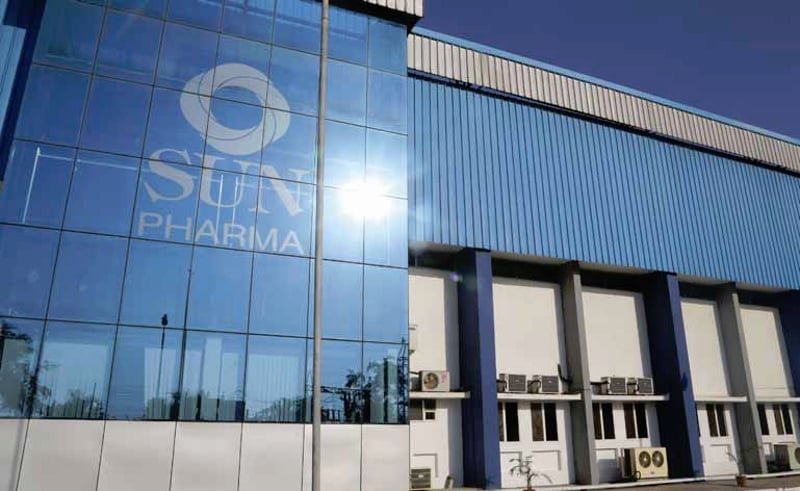
Generic drug giant Sun Pharma, already India’s largest biopharmaceutical company, has doubled its size with the acquisition (PDF) of women’s health leader Organon. In an $11.75 billion acquisition, Sun acquired the drug maker, which is expected to generate $6.2 billion in sales in 2025.
Sun will pay $14 per share, a 24% premium over Organon’s closing price on Friday. It also commands a premium of more than 100% to Organon’s stock price at the beginning of April. The deal, expected to be finalized by early 2027, boosted Sun’s stock price by 7% and Organon’s by 17%.
The deal is the largest ever for an Indian biopharmaceutical company and will strengthen Sun’s portfolio of innovative medicines and move it to seventh place among the world’s top sellers of biosimilars, the company said in a statement.
Indian companies are exempt from paying duties on generic products they export to the U.S., but Sun’s U.S. sales have declined recently and it has increased its presence in branded products and biosimilars.
Evercore ISI analyst Umar Rafat said Organon’s stock price is weighed down by “major headwinds,” citing the company’s debt in New Jersey, the upcoming loss of exclusivity for its contraceptive implant Nexplanon, and “bad M&A to digest,” noting Organon’s $1.2 billion acquisition of Dermavant in 2024.
With this acquisition, Vtama, a non-steroidal skin cream, will achieve sales of $128 million in 2025, falling short of the $150 million goal set by the company at the beginning of the year.
Since being spun out of Merck in 2021, Organon’s revenue has stagnated, fluctuating between $6.2 billion and $6.4 billion in each of the past four years.
But the company brings “great talent from Merck” and “a great legacy of Merck brands,” Rafat wrote in a note to clients.
The deal is the industry’s largest so far this year, surpassing Eli Lilly’s recent acquisitions of Centessa Pharmaceuticals and Chelonia Therapeutics, totaling $7.8 billion and $7 billion.
Also within the past five weeks, when biopharmaceutical M&A activity intensified, Merck acquired Terns Pharmaceuticals for $6.7 billion, Biogen acquired Apellis for $5.6 billion, and Gilead acquired Tubulis for a total of $5 billion.
Generally known as a generic drug distributor, Sun has recently built up specialty businesses in dermatology, ophthalmology, and oncology/dermatology. This was partly due to the acquisition of Concert Pharmaceuticals in 2023, which acquired the JAK inhibitor treatment alopecia Lexervi for $576 million, and last year’s acquisition of Checkpoint Therapeutics’ cancer immunotherapy drug Unlock Site for $418 million.
Organon’s roots date back to 1923 in the Netherlands. Schering-Plough acquired the company in 2007, two years before merging with Merck. The company currently sells more than 70 pharmaceutical products (PDF) in approximately 140 countries and manufactures its products at six locations in Europe.
“This transaction is a natural next step in strengthening Sun Pharma’s global business,” Kirti Ganokhar, Sun’s managing director, said in a release. “Together, we will be the partner of choice for new product acquisitions and launches. Our immediate priorities are business continuity, disciplined integration, and responsible value creation. We see great potential in leveraging Organon’s talent pool.”
