

Close Menu

    Subscribe to Updates

    Get the latest creative news from FooBar about art, design and business.

    What's Hot

    New study links fashion satisfaction to mental health and social confidence in middle-aged women

    April 27, 2026

    Scientists may have discovered a brain switch for chronic pain

    April 27, 2026

    A single dose of psilocybin is better than a nicotine patch for smoking cessation

    April 27, 2026
    Facebook X (Twitter) Instagram
    Facebook X (Twitter) Instagram
    Health Magazine
    • Home
    • Environmental Health
    • Health Technology
    • Medical Research
    • Mental Health
    • Nutrition Science
    • Pharma
    • Public Health
    • Discover
      • Daily Health Tips
      • Financial Health & Stability
      • Holistic Health & Wellness
      • Mental Health
      • Nutrition & Dietary Trends
      • Professional & Personal Growth
    • Our Mission
    Health Magazine
    Home » News » Scientists may have discovered a brain switch for chronic pain
    Nutrition Science

    Scientists may have discovered a brain switch for chronic pain

    healthadminBy healthadminApril 27, 2026No Comments5 Mins Read
    Scientists may have discovered a brain switch for chronic pain
    Share
    Facebook Twitter Reddit Telegram Pinterest Email


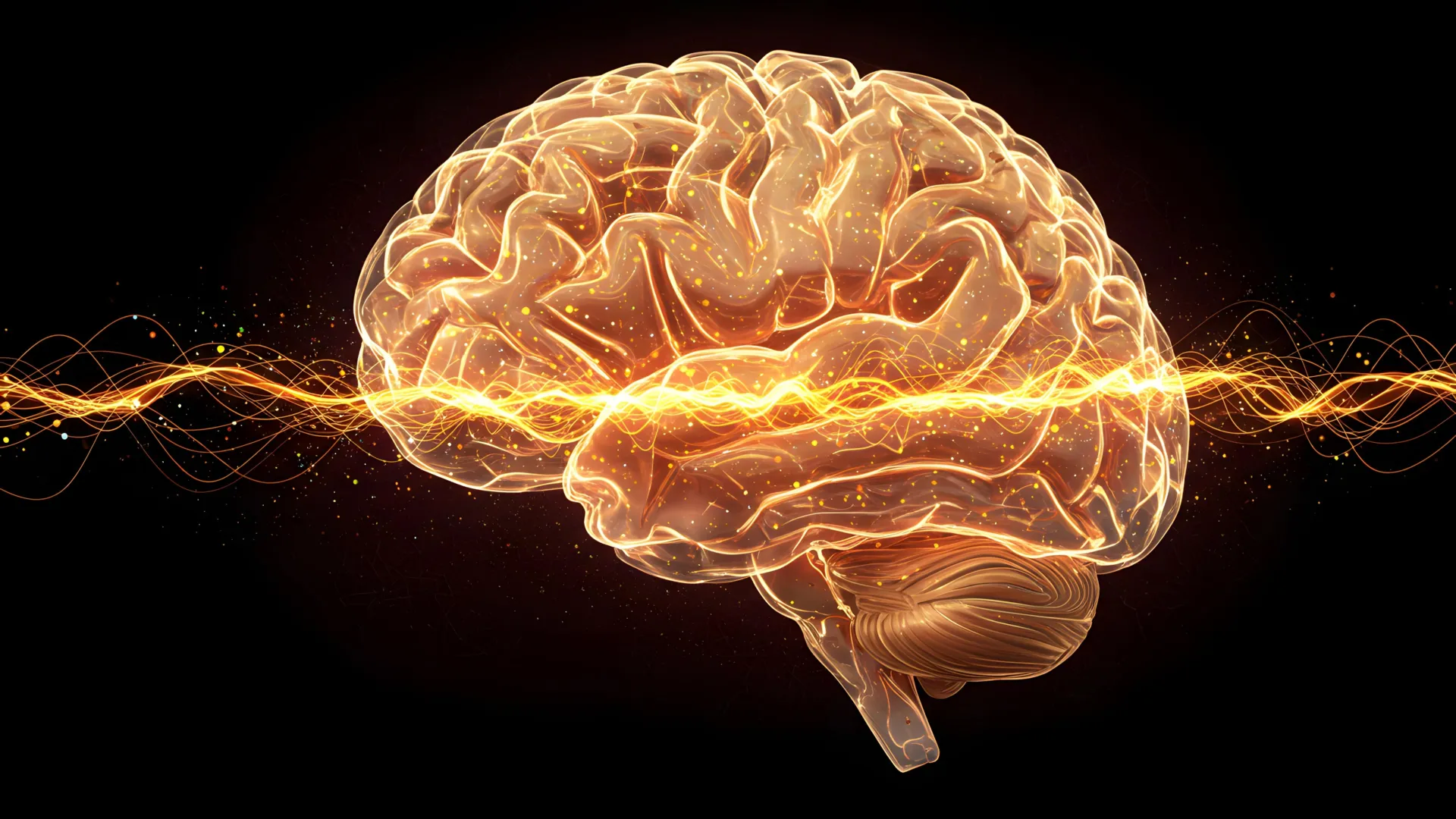
    A new study from the University of Colorado Boulder points to a little-known brain circuit that determines whether short-term pain goes away or becomes a long-term problem. The findings suggest that this pathway plays an important role in converting temporary pain into chronic pain that lasts months or even years.

    The study, conducted on animals and published in the Journal of Neuroscience, focused on an area called the caudal granulo-insular cortex (CGIC). Researchers have found that shutting down this circuit can prevent the onset of chronic pain and stop pain that has already started.

    “Our paper used a variety of cutting-edge methods to define specific brain circuits that are important for determining whether pain becomes chronic and instructing the spinal cord to carry out its instructions,” said lead author Linda Watkins, distinguished professor of behavioral neuroscience in the College of Arts and Sciences. “If this key decision maker stays silent, chronic pain won’t occur. If it’s already going on, chronic pain will go away.”

    New tools fueling a “neuroscience gold rush”

    This study was conducted at a time when brain research is rapidly advancing. Lead author Jason Ball describes the current moment as a “neuroscience gold rush,” driven by advanced tools that allow scientists to precisely control specific groups of brain cells.

    These techniques have enabled researchers to pinpoint the neural pathways involved in complex conditions such as chronic pain. This level of detail could help guide the development of new treatments, such as targeted injections and brain-machine interfaces, that may provide safer alternatives to opioid drugs.

    “This study adds an important leaf to the tree of knowledge about chronic pain,” Ball said. Ball completed his PhD in Watkins’ lab in May and now works at Neuralink, a California-based startup developing brain-machine interfaces for human health.

    When pain signals are not blocked

    Chronic pain is a widespread problem. About 1 in 4 adults experience the condition, and nearly 1 in 10 say it interferes with their daily lives, according to the Centers for Disease Control and Prevention.

    A common feature of nerve-related pain is allodynia, a condition where even light touch causes pain.

    Short-term pain and long-term pain behave very differently. Acute pain acts as a warning signal and begins when injured tissue, such as a stubbed toe, sends a message to the brain via the spinal cord. However, chronic pain continues even after the injury has healed, creating a type of false alarm that can last for weeks, months, or even years.

    “Why and how people don’t get rid of their pain and end up suffering from chronic pain are big questions that continue to be answered,” Watkins said.

    Targeting brain pathways that sustain pain

    Early research from Watkins’ lab in 2011 pointed to the CGIC as playing an important role in pain sensitivity. This tiny region, about the size of a sugar cube, is located deep in the insula, a part of the brain involved in sensory processing. Studies in people have shown that this area tends to be overactive in people with chronic pain.

    Until recently, this area was difficult to study in detail because the only way to affect it was to remove it, which was not a realistic treatment option.

    In the new study, the research team used fluorescent proteins to track which nerve cells became activated after rats experienced sciatic nerve injury. They then applied advanced “chemical genetics” techniques to switch specific genes on or off within the selected neurons.

    Their results showed that CGIC is not very important for managing immediate pain, but is essential for sustaining pain over the long term.

    How does the brain sustain pain?

    The researchers found that CGIC sends signals to the somatosensory cortex, the part of the brain that processes touch and pain. This area communicates with the spinal cord and effectively tells it to continue sending pain signals.

    “We found that activating this pathway excites the part of the spinal cord that transmits touch and pain to the brain, so that touch is also perceived as pain,” Ball said.

    When scientists blocked this pathway immediately after injury, the animals felt only a short period of pain. If chronic pain was already occurring, disabling the circuit stopped the pain.

    “Our study makes a clear case that specific brain pathways can be directly targeted to modulate sensory pain,” Ball said.

    Toward new treatments for chronic pain

    Researchers still don’t know what triggers CGICs to start sending persistent pain signals, and more research is needed to translate these findings to humans.

    Still, this study suggests new possibilities for treatment. Ball envisions a future where doctors can use targeted injections or infusions to affect specific brain cells without the widespread side effects and risk of addiction associated with opioids. He also suggests that brain-machine interfaces, whether implanted or externally worn, could help manage severe chronic pain.

    “The search for new treatments is moving much faster now that we have access to tools that can manipulate the brain based on specific subpopulations of cells, rather than just general areas,” he said.


    Source link

    Visited 1 times, 1 visit(s) today
    Share. Facebook Twitter Pinterest LinkedIn Telegram Reddit Email
    Previous ArticleA single dose of psilocybin is better than a nicotine patch for smoking cessation
    Next Article New study links fashion satisfaction to mental health and social confidence in middle-aged women
    healthadmin

    Related Posts

    Scientists capture mysterious quantum ‘dance’ inside superconductor

    April 27, 2026

    Exposure to pesticides linked to 150% increased cancer risk in large study

    April 27, 2026

    The shocking origins of the human eye can be traced back to the ancient “cyclops”

    April 27, 2026

    Simply changing your exercise habits can add years to your life

    April 27, 2026

    DNA testing of mescal bugs in bottles reveals surprising results

    April 26, 2026

    Panama’s marine lifeline disappears for the first time in 40 years

    April 26, 2026
    Add A Comment
    Leave A Reply Cancel Reply

    Categories

    • Daily Health Tips
    • Discover
    • Environmental Health
    • Exercise & Fitness
    • Featured
    • Featured Videos
    • Financial Health & Stability
    • Fitness
    • Fitness Updates
    • Health
    • Health Technology
    • Healthy Aging
    • Healthy Living
    • Holistic Healing
    • Holistic Health & Wellness
    • Medical Research
    • Medical Research & Insights
    • Mental Health
    • Mental Wellness
    • Natural Remedies
    • New Workouts
    • Nutrition
    • Nutrition & Dietary Trends
    • Nutrition & Superfoods
    • Nutrition Science
    • Pharma
    • Preventive Healthcare
    • Professional & Personal Growth
    • Public Health
    • Public Health & Awareness
    • Selected
    • Sleep & Recovery
    • Top Programs
    • Weight Management
    • Workouts
    Popular Posts
    • the-pros-and-cons-of-paleo-dietsThe Pros and Cons of Paleo Diets: What Science Really Says April 16, 2025
    • Improve Mental Health10 Science-Backed Practices to Improve Mental Health… March 11, 2025
    • How Healthy Living Is Transforming Modern Wellness TrendsHow Healthy Living Is Transforming Modern Wellness… December 3, 2025
    • Kankakee_expansion.jpgCSL releases details of $1.5 billion U.S.… March 10, 2026
    • 1773313737_bacteria_-_Sebastian_Kaulitzki_46826fb7971649bfaca04a9b4cef3309-620x480.jpgHow Sino Biological ProPure™ redefines ultra-low… March 12, 2026
    • Healthy Living: Expert Tips to Improve Your Health in 2026Healthy Living: Expert Tips to Improve Your Health in 2026 November 16, 2025

    Demo
    Stay In Touch
    • Facebook
    • Twitter
    • Pinterest
    • Instagram
    • YouTube
    • Vimeo
    Don't Miss

    New study links fashion satisfaction to mental health and social confidence in middle-aged women

    By healthadminApril 27, 2026

    New research suggests finding age-appropriate, well-fitting clothing plays a role in midlife women’s overall mental…

    Scientists may have discovered a brain switch for chronic pain

    April 27, 2026

    A single dose of psilocybin is better than a nicotine patch for smoking cessation

    April 27, 2026

    Yoga to manage obesity-related cardiac and metabolic risks

    April 27, 2026

    Subscribe to Updates

    Get the latest creative news from SmartMag about art & design.

    HealthxMagazine
    HealthxMagazine

    At HealthX Magazine, we are dedicated to empowering entrepreneurs, doctors, chiropractors, healthcare professionals, personal trainers, executives, thought leaders, and anyone striving for optimal health.

    Our Picks

    Yoga to manage obesity-related cardiac and metabolic risks

    April 27, 2026

    Scientists capture mysterious quantum ‘dance’ inside superconductor

    April 27, 2026

    FDA slams Insight over Nictimbo’s ‘misleading’ claims

    April 27, 2026
    New Comments
      Facebook X (Twitter) Instagram Pinterest
      • Home
      • Privacy Policy
      • Our Mission
      © 2026 ThemeSphere. Designed by ThemeSphere.

      Type above and press Enter to search. Press Esc to cancel.