

Close Menu

    Subscribe to Updates

    Get the latest creative news from FooBar about art, design and business.

    What's Hot

    Scientists discover unexpected way to force pancreatic cancer cells to self-destruct

    June 29, 2026

    Remote work can threaten relationships

    June 29, 2026

    Children under 2 years old should avoid screen time to protect their future health

    June 29, 2026
    Facebook X (Twitter) Instagram
    Facebook X (Twitter) Instagram
    Health Magazine
    • Home
    • Environmental Health
    • Health Technology
    • Medical Research
    • Mental Health
    • Nutrition Science
    • Pharma
    • Public Health
    • Discover
      • Daily Health Tips
      • Financial Health & Stability
      • Holistic Health & Wellness
      • Mental Health
      • Nutrition & Dietary Trends
      • Professional & Personal Growth
    • Our Mission
    Health Magazine
    Home » News » Simply changing your exercise habits can add years to your life
    Nutrition Science

    Simply changing your exercise habits can add years to your life

    healthadminBy healthadminApril 27, 2026No Comments5 Mins Read
    Simply changing your exercise habits can add years to your life
    Share
    Facebook Twitter Reddit Telegram Pinterest Email


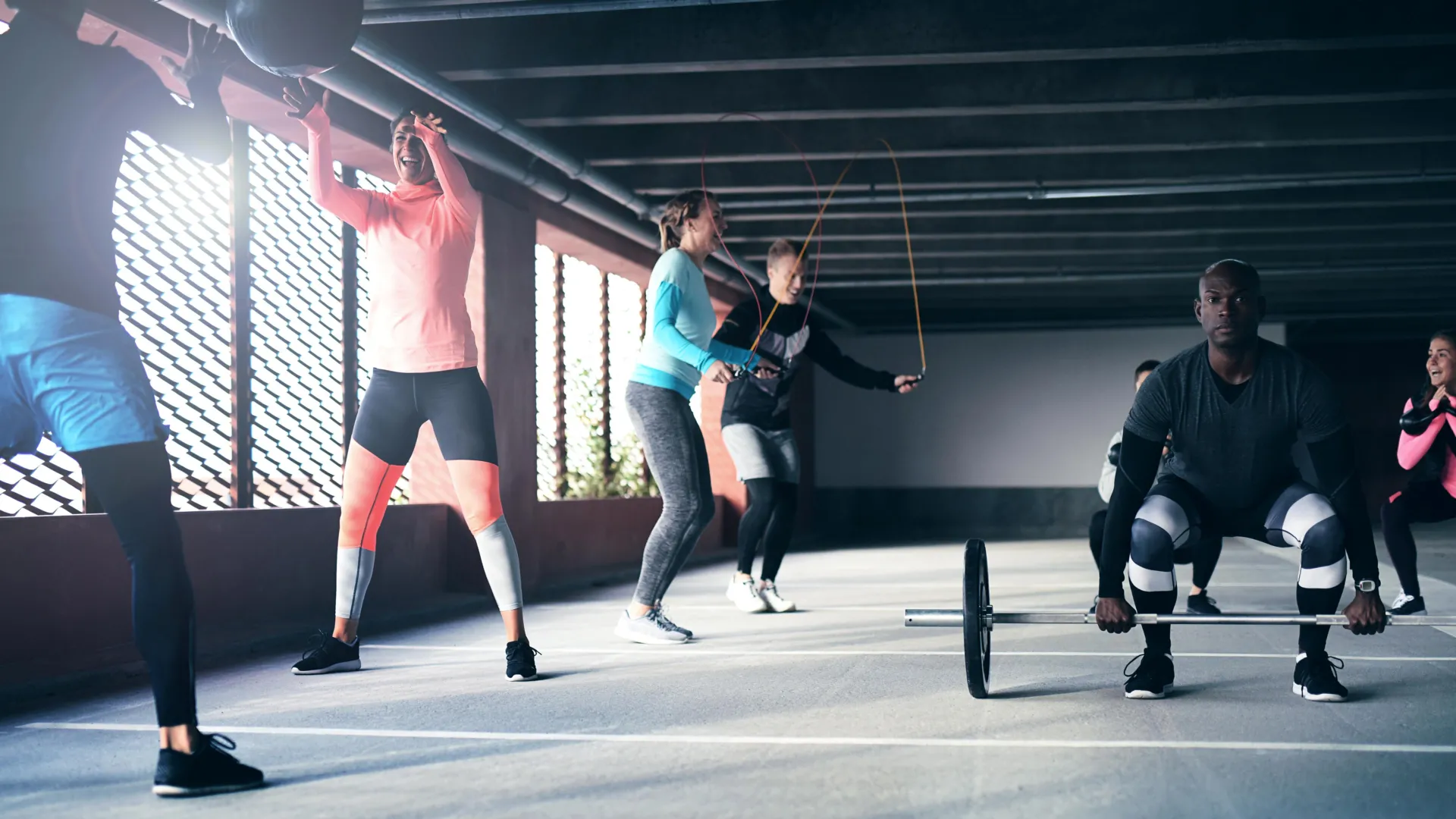
    Performing a variety of physical activities regularly may be one of the most effective ways to extend your lifespan, according to a study published in an open access journal BMJ Medicine. The findings suggest that this relationship goes beyond simply increasing physical activity. Rather, after a certain point the profits seem to level off, indicating that there may be an optimal amount of activity.

    The results also show that diversity itself is important. People who participate in various types of physical activity tend to have a lower risk of death, regardless of their total physical activity. Still, researchers emphasize that it’s still important to stay active overall.

    Why exercise variety is important

    Physical activity has long been associated with improved physical and mental health, along with a lower risk of death. But it’s less clear whether specific types of exercise have their own benefits, or whether combining activities provides additional benefits beyond the total amount.

    To investigate this, researchers analyzed data from two major longitudinal studies: the Nurses’ Health Study (121,700 female participants) and the Health Professionals Follow-up Study (51,529 male participants). These studies followed participants for more than 30 years, collecting regular updates on their lifestyle, health history, and exercise habits through questionnaires every two years.

    Decades of data on mobility and lifestyle

    Participants reported a wide range of physical activities over time. From 1986 onwards, this included walking, jogging, running, cycling (including stationary machines), lap swimming, rowing or gymnastics, tennis, squash or racquetball.

    Subsequent studies added more details, including weight training and strength training. Low-intensity exercise such as yoga, stretching, and toning. Intense work such as mowing the lawn. Moderate outdoor work such as maintenance and gardening. Heavy outdoor work such as digging and felling.

    Participants also reported how many flights of stairs they climbed each day, based on an estimate that each flight took 8 seconds to climb.

    The analysis included 111,467 total physical activity participants and 111,373 activity type participants. To measure activity levels, the researchers used the MET score, which is calculated by multiplying the average time (hours/week) spent in each activity by the MET value. MET indicates how much more energy your activity uses compared to rest.

    Activity level, habits and health profile

    Across both groups, individuals may report up to 11 or 13 different activities, depending on the study. Walking was the most common type of leisure-time exercise, but men were more likely than women to jog or run.

    People who reported higher overall activity levels were generally healthier. They were less likely to smoke, have high blood pressure or high cholesterol levels. They also tended to weigh less (lower BMI), eat healthier meals, drink more alcohol, maintain stronger social connections, and participate in a wider range of activities.

    Exercise and mortality risk over 30 years

    During more than 30 years of follow-up, 38,847 participants died, including 9,901 from cardiovascular disease, 10,719 from cancer, and 3,159 from respiratory disease.

    Higher levels of physical activity and most forms of personal exercise, except swimming, were associated with a lower risk of death from any cause. However, the relationship was not linear. The total activity benefit appears to level off after approximately 20 MET hours per week, suggesting that there may be a point beyond which the benefit of additional activity diminishes.

    Which activities led to a reduction in risk?

    Walking showed one of the strongest associations, with those who walked the most having a 17% lower risk of death than those who walked the least. Climbing stairs was associated with a 10% lower risk.

    Other activities were also associated with reduced risk when comparing the least active to the most active participants. Playing tennis, squash, or racquetball was associated with a 15% lower risk. Boating and gymnastics showed a 14% decrease. Weight/strength training and running were each associated with a 13% reduction in risk. Jogging saw an 11% decrease, while cycling only saw a 4% decrease.

    Additional benefits from different exercises

    Participation in a wider range of activities yielded even greater benefits. When considering total physical activity levels, participants who engaged in the most diverse set of activities had a 19% lower risk of death from any cause.

    They also had a 13% to 41% lower risk of death from cardiovascular disease, cancer, respiratory disease, and other causes than those who were less active.

    Research limitations and what they mean

    This study is observational and cannot prove cause and effect. The researchers also noted some limitations. Physical activity was self-reported rather than directly measured, which may affect accuracy.

    Additionally, MET scores were calculated based on the assumption that participants were fully engaged in each activity, and the lack of detailed information on intensity may have led to misclassification of energy use. The study population was mostly Caucasian, which may limit the applicability of the findings.

    Still, the researchers concluded, “Overall, these data support the idea that engaging in multiple types of physical activity over long periods of time may help extend lifespan.”


    Source link

    Visited 6 times, 1 visit(s) today
    Share. Facebook Twitter Pinterest LinkedIn Telegram Reddit Email
    Previous ArticleScientists map 239 human-infectious RNA viruses to track future outbreak risks
    Next Article Plastic waste and ghost nets threaten baby chicks
    healthadmin

    Related Posts

    Scientists discover unexpected way to force pancreatic cancer cells to self-destruct

    June 29, 2026

    Clarifying the 2025-2030 Dietary Guidelines Contradictions

    June 29, 2026

    Millions of people take omega-3 fish oil for brain health, but new study finds no benefit

    June 29, 2026

    These fat-filled brain cells may be worsening multiple sclerosis

    June 29, 2026

    Physicists create strange new quantum state called fractional Fermi sea

    June 29, 2026

    Brain activity under anesthesia casts doubt on what we know about consciousness

    June 29, 2026
    Add A Comment

    Comments are closed.

    Categories

    • Daily Health Tips
    • Discover
    • Environmental Health
    • Exercise & Fitness
    • Featured
    • Featured Videos
    • Financial Health & Stability
    • Fitness
    • Fitness Updates
    • Health
    • Health Technology
    • Healthy Aging
    • Healthy Living
    • Holistic Healing
    • Holistic Health & Wellness
    • Medical Research
    • Medical Research & Insights
    • Mental Health
    • Mental Wellness
    • Natural Remedies
    • New Workouts
    • Nutrition
    • Nutrition & Dietary Trends
    • Nutrition & Superfoods
    • Nutrition Science
    • Pharma
    • Preventive Healthcare
    • Professional & Personal Growth
    • Public Health
    • Public Health & Awareness
    • Selected
    • Sleep & Recovery
    • Top Programs
    • Weight Management
    • Workouts
    Popular Posts
    • 1773313737_bacteria_-_Sebastian_Kaulitzki_46826fb7971649bfaca04a9b4cef3309-620x480.jpgHow Sino Biological ProPure™ redefines ultra-low… March 12, 2026
    • pexels-david-bartus-442116The food industry needs to act now to cut greenhouse… January 2, 2022
    • 1773729862_TagImage-3347-458389964760995353448-620x480.jpgDespite safety concerns, parents underestimate the… March 17, 2026
    • 1773209206_futuristic_techno_design_on_background_of_supercomputer_data_center_-_Image_-_Timofeev_Vladimir_M1_4.jpegMulti-agent AI systems outperform single models… March 11, 2026
    • 1774403998_image_28620e4b6b0047f7ab9154b41d739db1-620x480.jpgGait pattern helps distinguish between Lewy body… March 24, 2026
    • Leukemia-620x480.jpgBiomimetic platform powers CAR T therapy for… March 9, 2026

    Demo
    Stay In Touch
    • Facebook
    • Twitter
    • Pinterest
    • Instagram
    • YouTube
    • Vimeo
    Don't Miss

    Scientists discover unexpected way to force pancreatic cancer cells to self-destruct

    By healthadminJune 29, 2026

    Research published in onco target highlights a promising new approach to combating pancreatic cancer. The…

    Remote work can threaten relationships

    June 29, 2026

    Children under 2 years old should avoid screen time to protect their future health

    June 29, 2026

    Study links diabetes to worse health outcomes with long-term COVID-19 infection

    June 29, 2026

    Subscribe to Updates

    Get the latest creative news from SmartMag about art & design.

    HealthxMagazine
    HealthxMagazine

    At HealthX Magazine, we are dedicated to empowering entrepreneurs, doctors, chiropractors, healthcare professionals, personal trainers, executives, thought leaders, and anyone striving for optimal health.

    Our Picks

    Study links diabetes to worse health outcomes with long-term COVID-19 infection

    June 29, 2026

    Researchers develop new model to study advanced melanoma

    June 29, 2026

    Artificial intelligence models show major gaps with traditional human intelligence tests

    June 29, 2026
    New Comments
      Facebook X (Twitter) Instagram Pinterest
      • Home
      • Privacy Policy
      • Our Mission
      © 2026 ThemeSphere. Designed by ThemeSphere.

      Type above and press Enter to search. Press Esc to cancel.