


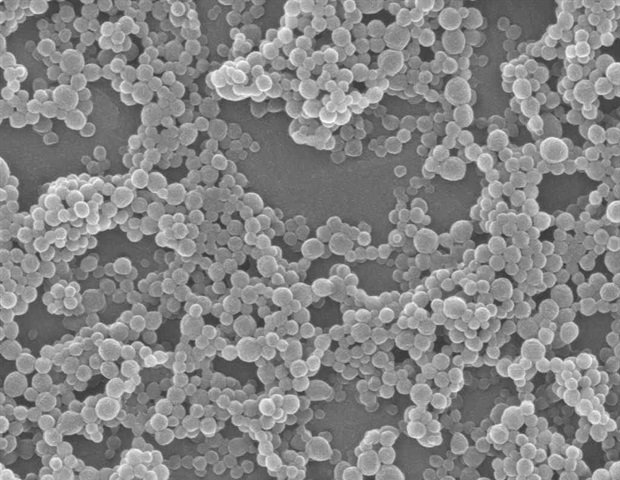
Scientists at Johns Hopkins School of Medicine say they have developed a simplified version of biodegradable nanoparticles that can “teach” the immune system to find and destroy disease-causing cells in the body. Researchers say the study advances the field of manipulating immune cells within a patient’s own body to fight autoimmune diseases such as cancer and lupus.
Genetically engineered immune cells have successfully treated a range of blood cancers using CAR-T cells or chimeric antigen receptor T cells. This treatment is done by taking immune T cells from the patient’s own blood and engineering the cells in the lab so that they are coated with receptors that recognize and kill cancer cells. But researchers say the process of extracting a patient’s blood cells and manipulating them individually outside the body is expensive and inefficient.
In a report on a new study published March 11, funded by the National Institutes of Health, scientific progressAccording to the researchers, these nanoparticles are designed to move to and stimulate disease-fighting immune T cells, which seek out and destroy other immune system cells called B cells, which are responsible for diseases such as lupus and blood cancers such as leukemia and lymphoma.
The researchers explain that the nanoparticles are composed of polymers. Polymers are a series of molecules called ester units that biodegrade in water. The surface of the nanoparticles is decorated with two main components: anti-CD3 and anti-CD28 antibody molecules, which help the nanoparticles find and stimulate T cells. Other researchers have recently developed lipid-based nanoparticles containing five components. Johns Hopkins nanoparticles have a simpler design, requiring only three components. The nanoparticles contain a cargo of genetic material called mRNA. mRNA is the molecular code that tells T cells to express receptors on their surface that detect B cells, which cause cancer and lupus.
The current JHM study shows that 24 hours after nanoparticles were injected into healthy mice, 95% of target B cells in the circulating blood were depleted and approximately 50% of B cells were destroyed in the spleen of all mice.
After a week, B cells in the blood had returned to about 50% of their original amount.
These experiments were successful with a single dose of nanoparticles, and current CAR-T treatments are very expensive and time-consuming, whereas the advantage of using off-the-shelf treatments is that they potentially allow for scalable manufacturing and wide access. ”
Dr. Jordan Green, Professor Herschel L. Soeder, Professor of Biomedical Engineering, Johns Hopkins University School of Medicine
It took five years to reach this point, said Green, a biomedical engineer who collaborated with immunology expert Jonathan Schneck, MD, to develop the nanoparticles used in the study. They combined Schneck’s work on developing artificial immune cells that stimulate other immune cells with Green’s work on polymer-based nanoparticles.
Designing nanoparticles that can reach T cells throughout the blood and organs is more difficult than delivering nanoparticles directly to localized areas, such as the eye, Green said. When nanoparticles reach T cells, they tend to resist taking them up, but even if they do get internalized, the cells often chew them up and spit them out, Green said. “This makes sense, because when T cells easily take something like a virus into the body, the viral programming can take over the immune system, as is happening with HIV,” Green says.
Green said the nanoparticles work in stages, much like a rocket bound for space launches in stages, connects with its booster, disconnects, and finally delivers its cargo. For the nanoparticles, the scientists designed an inner space vessel to seek out T cells, stimulate their activation and proliferation, cross the cell wall and enter the T cells, and then break down and transport their mRNA cargo.
The scientists created a combinatorial blend of two molecules (anti-CD3 and anti-CD28) that help the nanoparticles find and attach to T cells. The researchers found that the degradable nanoparticles not only functioned similarly to commercially available magnetic beads designed to adsorb to T cells for laboratory research purposes, but were also capable of entering T cells and remodeling them from the inside out.
In a previous study, Green and his colleagues found that about 10% of the nanoparticles developed by Johns Hopkins University successfully escaped the cell’s degradative compartment and delivered sensitive genetic cargo, while 1% to 2% of other nanoparticles were quickly degraded and cleared from the cell.
In the new study, the scientists confirmed that the nanoparticles degraded within about a few hours in mice, releasing their mRNA content.
Professors Green and Schneck of Johns Hopkins were recently named by the biotechnology company Immunovec as co-investigators on a more than $40 million grant from the federal agency Health Advanced Research Projects Agency to develop these cell engineering tools.
The Johns Hopkins team will continue to refine the nanoparticles, with the goal of tailoring them to diseased B cells and adjusting the amount of T cell stimulation, the researchers said.
This research was supported by the Johns Hopkins Center for Translational Immunology, a national center for biomedical imaging and bioengineering that is innovating biotechnologies that modulate the immune system.
Other Johns Hopkins scientists who conducted this research were Manav Jain, Savannah Est-Witte, Sydney Shannon, Sarah Neshat, Xinjie Yu, Sydney Dunham, Tina Tian, Leonard Chen, Jawaun Harris, Max Koenig, and Stephanie Tseng.
Funding for the study was provided by the National Institutes of Health (P41EB028239, R01CA281143, R37CA246699, R56DK137420, R21AI176764, F31CA284859) and the National Science Foundation.
sauce:
Reference magazines:
Jayne, M. others. (2026) Biodegradable targeted polymeric mRNA nanoparticles enable in vivo generation of CD19 CAR T cells leading to B cell depletion. scientific progress. DOI: 10.1126/sciadv.adz1722. https://www.science.org/doi/10.1126/sciadv.adz1722
