


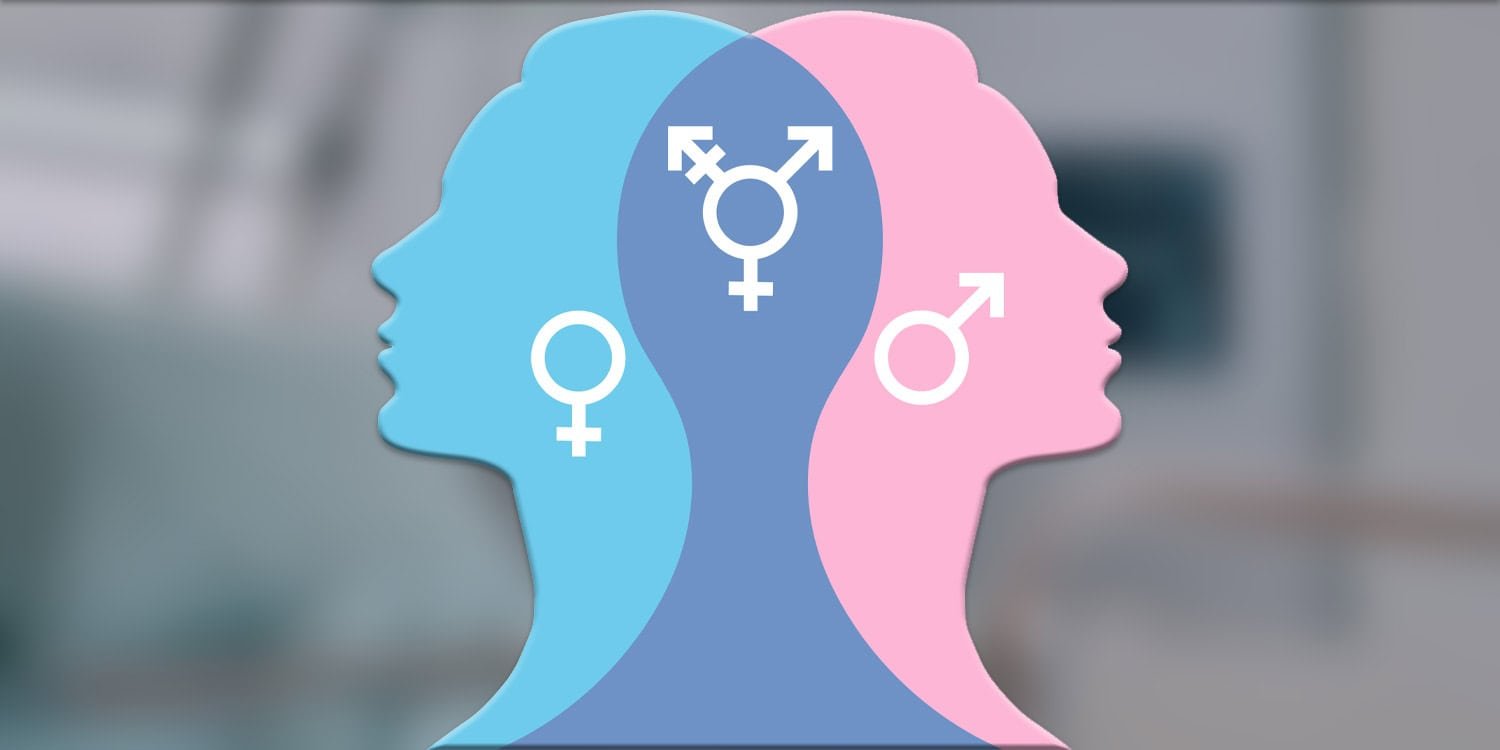
Transgender people report higher rates of discrimination and violence across Europe compared to individuals who identify as lesbian, gay, or bisexual. No matter how progressive a country’s equality laws are, these disparities remain relatively consistent. The results of this study were published in the International Journal of Transgender Health.
For decades, academic and demographic studies have grouped sexual and sexual minority populations under a single umbrella. This broad classification assumes common social challenges. However, lumping diverse populations together can obscure the specific risks faced by different groups. In recent years, public and political opposition to transgender rights has intensified in several countries.
During this same period, legal rights regarding sexual orientation and same-sex partnerships generally advanced. Because of this diverse political climate, researchers have wanted to isolate the specific experiences of transgender people. Jakob Evje, a researcher at the University of Oslo in Norway, led the study with colleagues Sam Fluit and Tilman von Soest. The research team aimed to pinpoint how the daily encounters with prejudice differ between sexual and sexual minorities.
To answer these questions, researchers drew on data from an extensive survey of ethnic minorities in Europe. This dataset includes responses collected from more than 138,000 people in 30 countries in 2019. Within this large sample, approximately 85 percent of participants identified as cisgender, lesbian, gay, or bisexual. A cisgender person is someone whose gender identity matches the sex they were assigned at birth.
The remaining participants identified as transgender. This means that their gender identity is different from the sex they were assigned at birth. This group included transgender women, transgender men, and nonbinary individuals. Non-binary is a term used to describe people whose gender identity does not fit strictly into the categories of male or female.
The survey asked participants about their experiences with discrimination in seven different areas of daily life over the past 12 months. Participants indicated whether they had been treated unfairly when looking for a job, at work, or when buying or renting a home. They also documented cases of discrimination among health workers, school personnel, restaurants, and stores.
In addition to these everyday encounters, participants answered questions about extreme hostility. Participants were asked how many times they had been physically or sexually assaulted in the past five years. The researchers applied a statistical model that can account for individual factors such as age and economic hardship, as well as national policies.
The results revealed significant differences in their daily social environments. Transgender participants reported encountering discrimination in far more areas of life than cisgender participants. Specifically, 58 percent of transgender people reported facing discrimination in at least one setting in the past year. In contrast, 40% of cisgender lesbian, gay, or bisexual participants reported similar negative experiences.
These differences emerged across all environments measured in the study. For example, nearly 28 percent of transgender respondents reported discrimination from health and social service workers. Only about 10% of cisgender sexual minorities reported experiencing unfair treatment in similar medical settings. A similar disparity exists when it comes to employment, with about 13 percent of transgender people reporting discrimination during their job search, compared to about 3 percent of the cisgender group.
Reports of physical and sexual assault followed a consistent pattern. Forty percent of transgender participants had been assaulted at least once in the past five years, compared to 25% of cisgender participants. Five percent of transgender respondents reported being targeted 10 or more times by a physical or sexual attacker.
The research team also looked at the legal and political environments of the 30 countries studied. They incorporated established indicators that score European countries on their legal protection and human rights records regarding sexual and sexual minorities. A high score indicates a country has strong anti-discrimination laws and marriage equality, while a low score indicates a lack of protection for fundamental human rights.
In the context of political polarization, the researchers noted wide variation in scores across the continent. Malta achieved the highest equality score in the dataset, reflecting comprehensive legal recognition and state-funded healthcare. In contrast, North Macedonia had the lowest score, reflecting a severe lack of basic protections against hate-motivated violence.
Living in a country with higher legal protection was associated with slightly lower levels of reported discrimination across all groups. However, despite high national equality scores, the frequency of violence reported by participants did not change. In fact, the gap in violence experienced by transgender and cisgender individuals widened slightly in countries with lower legal protections.
The researchers expanded their analysis to see how overlapping personal characteristics influenced these negative encounters. They specifically looked at whether participants belonged to an ethnic minority group or were living with a disability. Being from a minority ethnic background predicted higher levels of discrimination and violence across the sample. These negative impacts were magnified for transgender people of color.
Transgender individuals with disabilities reported some of the most severe instances of violence and unequal treatment. The authors suggest that this reality stems from complex social biases. Transgender people with disabilities often face medical barriers and limitations in their ability to safely express their identities in public.
The research team also analyzed the data by specific gender identities within the transgender group to see who was most at risk. They found that transgender women and nonbinary individuals reported more physical and sexual violence than transgender men. Violence against transgender women is frequently highlighted in various regional reports, and this extensive data supports this continuing pattern of victimization.
When it comes to general discrimination, transgender men and women reported being treated unfairly in roughly the same number of life areas. Nonbinary participants reported slightly less discrimination in areas of daily life than binary transgenders. Data shows that safety and social acceptance vary widely within the transgender community itself.
The authors noted that their methodology has several limitations. The survey relied on a single question to measure experiences of violence and may not capture the full context or severity of these attacks. Additionally, discrimination measures counted the number of different circumstances in which unfair treatment occurred, rather than how often it occurred. Someone who faces discrimination every day in just one area, such as the workplace, will receive a lower score than someone who experiences separate incidents in three different settings.
Data relied on predefined survey options for self-reporting ethnic minority status and disability. This limited approach can obscure important differences in how different specific minority groups experience prejudice. Data coding rules in the original study design also led to the exclusion of individuals who identified as intersex. The researchers noted that many intersex people identify as transgender, a distinct segment of the community that was excluded from the final analysis.
The authors recommend future tracking of these experiences over time to see how changing political conditions affect public safety. They also suggest that public programs designed to reduce prejudice should be tested separately on different demographic groups. Policy makers cannot assume that interventions that support cisgender sexual minorities will automatically improve the lives of transgender people.
The study, “Transgender people experience more discrimination and violence than cisgender lesbian, gay, or bisexual people: A multilevel analysis across 30 European countries,” was authored by Jacob Evje, Sam Fluit, and Tilmann von Soest.
