


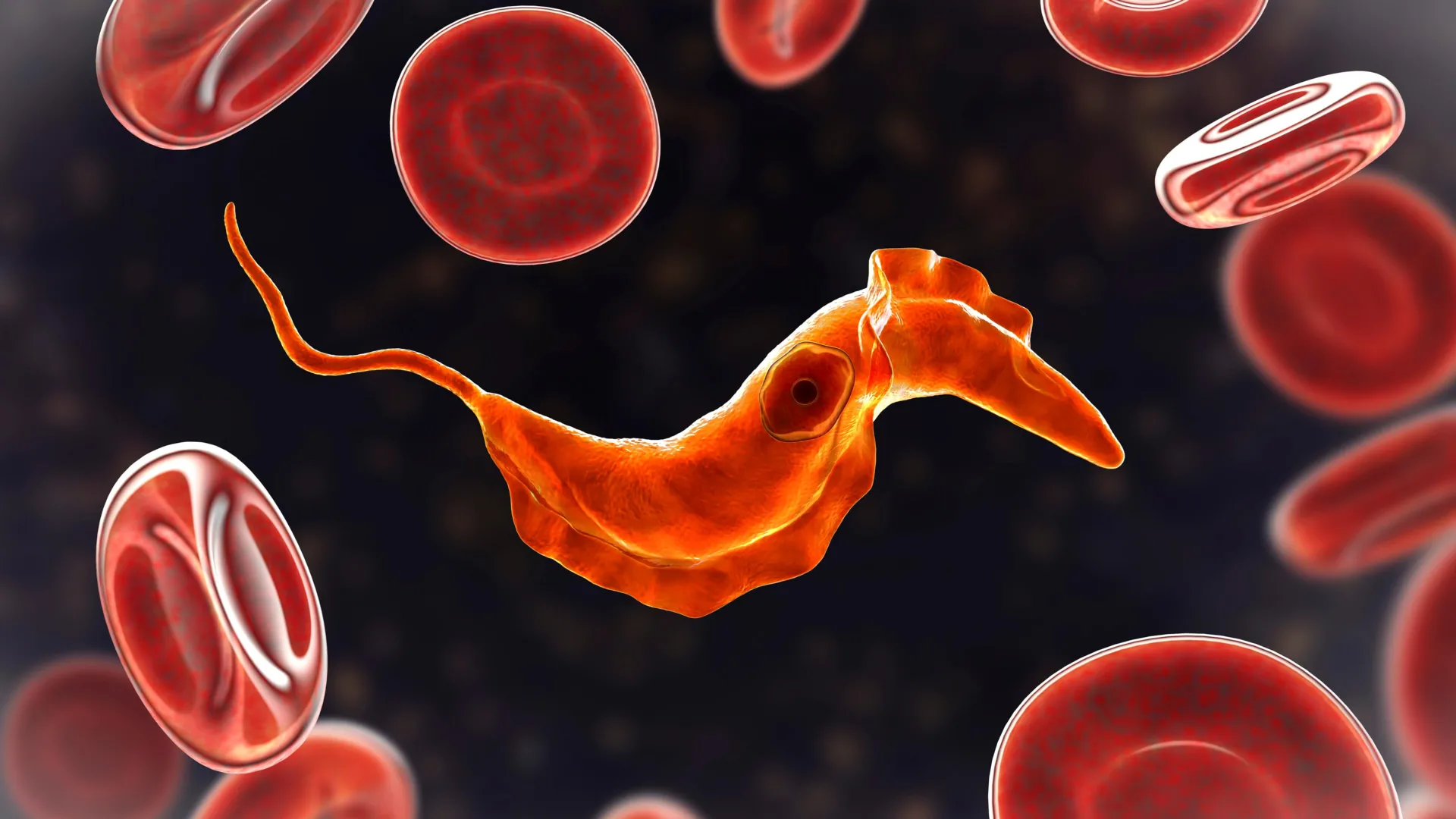
Almost all animal species, including humans, have blood cells. However, blood is not the same throughout the animal kingdom. Different species have evolved different types of blood cells and immune cells, reflecting millions of years of adaptation to infection and disease.
Thanks to advances in hematology and immunology, scientists already understand much about the composition and function of blood cells in humans and mice. What remains unclear is how these cells first appeared and evolved over time. To answer these questions, researchers at Kyoto University set out to trace the origin and diversification of blood cells across the animal kingdom.
Tracing blood back 700 million years
The research team created a new analytical approach to compare gene expression patterns across many cell types and animal species. Using this method, they constructed an evolutionary family tree of blood cell lineages and deduced how these cells developed throughout animal evolution.
The researchers also compared blood cells to single-celled organisms to identify possible single-celled ancestors.
Among the human blood cell lineages examined, macrophages showed the strongest similarity to unicellular organisms. This finding suggests that the earliest blood cells may have resembled macrophages, immune cells that engulf harmful microorganisms and cell debris.
The researchers also traced the gene FOS, which is widely expressed in blood cells of many animal species, to a single-celled ancestor that lived about 700 million years ago. The researchers say this indicates that the first blood cells likely appeared around the same time that multicellular animals first appeared on Earth.
How did modern blood cells evolve?
The discovery suggests that early animals created the first blood cells by recycling genetic material inherited from ancient unicellular ancestors.
The analysis also revealed how different blood cell types diverged over time. Mast cells appear to have evolved from macrophages, but later early versions of T cells and red blood cells emerged from mast cells. The researchers also discovered that prototype B cells branched off directly from macrophages after mast cells had already separated.
By reconstructing this evolutionary history, scientists were able to create a family tree of blood cells spanning 700 million years. Their results suggest that the developmental pathways of modern blood cells and immune cells still reflect this ancient evolutionary history.
A living connection to the first life on Earth
Researchers say the study highlights the possibility that modern blood and immune cells are an extension of biological systems first established by our single-celled ancestors hundreds of millions of years ago.
“We are deeply moved by these discoveries, which represent the culmination of our research and show that the differentiation pathway of vertebrate blood cells reflects the 700 million-year evolutionary history of these cells,” said team leader Hiroshi Kawamoto.
“Realizing that this heritage from time immemorial is circulating in my body as blood cells makes me feel closer to our distant ancestors,” added lead author Yosuke Nagahata from the Spanish Institute of Evolutionary Biology.
The research team believes that the new analytical methods developed for this study could also help researchers investigate the evolutionary origins of diseases such as cancer. They say this could lead to a deeper understanding of disease mechanisms and ultimately contribute to new treatments.
The paper, “Animals have expanded the evolutionary legacy of unicellular ancestors in blood cells,” is scheduled for publication on May 29, 2026. Proceedings of the National Academy of Sciences of the United States of Americadoi: 10.1073/pnas.2528110123.
