


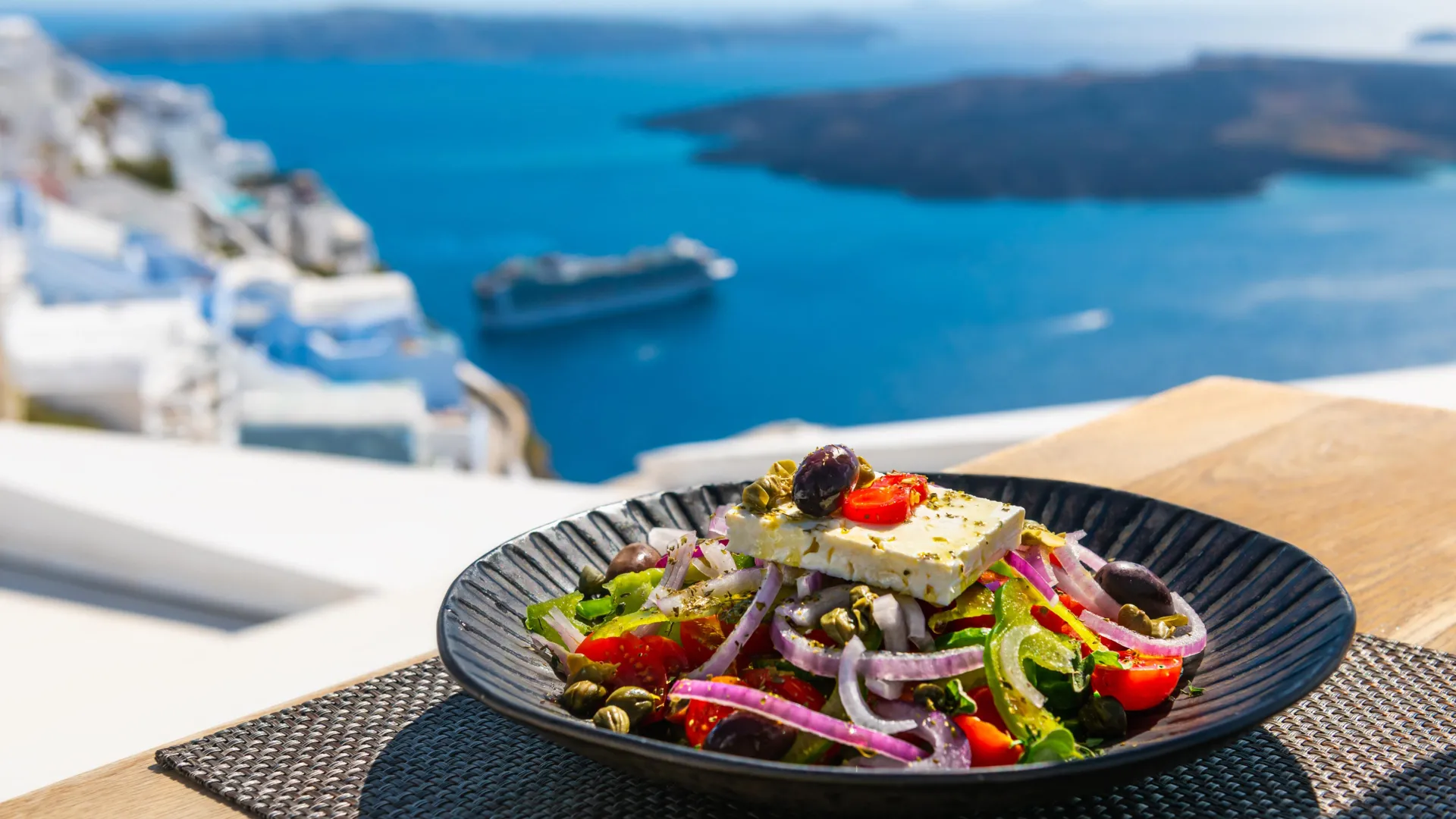
A Mediterranean-style diet may influence aging through an unexpected biological pathway involving small proteins produced within mitochondria, according to a new study led by researchers at the University of Southern California’s Leonard Davis School of Gerontology.
Although mitochondria are best known as the energy-producing structures within cells, scientists are increasingly recognizing that they also release chemical signals that influence metabolism, inflammation, stress responses, and aging.
Researchers found that older adults who followed a diet most similar to the Mediterranean diet had higher blood levels of two mitochondrial microproteins called humanin and SHMOOSE. Both have long been linked to protection against cardiovascular disease and neurodegeneration, the gradual loss of nerve cell function seen in conditions such as Alzheimer’s disease.
The study was led by Roberto Vicinanza, assistant professor of gerontology at the USC Leonard Davis School.
“These microproteins may act as molecular messengers that translate what we eat into how our cells function and age,” Bicinanza said. “This is a new biological pathway that helps explain why the Mediterranean diet is so powerful.”
How does the Mediterranean diet affect aging?
The Mediterranean diet emphasizes olive oil, fish, legumes, fruits, vegetables, whole grains, and other minimally processed foods. In general, limit refined carbohydrates, highly processed products, and foods high in sugar.
Decades of research have linked this dietary pattern to a lower risk of cardiovascular disease, type 2 diabetes, cognitive decline, and early death. But scientists are still working to identify the cellular processes that may produce these benefits.
For the new study, the research team tested blood samples from older adults who followed a Mediterranean diet to varying degrees. Participants who showed the strongest adherence had significantly higher concentrations of humanin and SHMOOSE.
They also had lower indicators of oxidative stress, a form of cell damage caused when unstable molecules known as reactive oxygen species overwhelm the body’s protective systems. Sustained oxidative stress can damage proteins, fats, and DNA and is associated with aging and many chronic diseases.
Olive oil, fish and legumes showed strong links
The findings suggest that individual parts of the Mediterranean diet may contribute differently to mitochondrial health.
Increased intake of olive oil, fish, and legumes was associated with increased humanin levels. Reductions in olive oil and refined carbohydrate intake were associated with increased SHMOOSE levels.
Refined carbohydrates include foods such as white bread, pastries, and many sugar products that have been stripped of much of their natural fiber and nutrients. They are quickly digested and can cause blood sugar levels to spike.
“These findings suggest that certain components of the Mediterranean diet can directly influence mitochondrial biology,” said Pinchas Cohen, USC Leonard Davis Dean and lead author of the study. “Humanin and SHMOOSE may serve as biomarkers of adherence to the Mediterranean diet and are clinically important.”
Biomarkers are measurable biological signs that can provide information about health, disease, or the body’s response to behavior or treatment. In this case, the two microproteins could help researchers measure how strongly a person’s body is responding to a Mediterranean dietary pattern.
A small protein hidden in mitochondrial DNA
The study builds on more than 20 years of research led by Cohen, who pioneered the discovery of peptides produced by mitochondria.
The most well-known human proteins are made from instructions contained in DNA in the cell nucleus. However, mitochondria retain a small amount of their own inherited genetic material separate from nuclear DNA.
Humanin and SHMOOSE are derived from short sections of the mitochondrial genome known as small open reading frames. Although these regions were once thought to have little or no function, researchers now know that some of them produce small, biologically active proteins.
Humulin is one of the most extensively studied of these molecules. Cohen and his colleagues first identified it in 2003. Subsequent studies have linked it to improved insulin sensitivity, cardiovascular protection, increased longevity, and preserved cognitive function.
Cohen’s lab later discovered SHMOOSE (Small Human Mitochondrial ORF Over SErine tRNA), which is associated with brain health. One genetic variant of SHMOOSE is associated with increased risk of Alzheimer’s disease, while the normal form appears to help protect neurons from amyloid-related damage.
Amyloid, a protein that can accumulate abnormally in the brain to form plaques, is one of the key biological hallmarks associated with Alzheimer’s disease.
“These peptides are emerging as key regulators of aging biology,” Cohen said. “They could link mitochondrial function to diseases such as Alzheimer’s and heart disease, and potentially even nutrition.”
New cardiac protection possibilities
The researchers also identified a possible link between humanin and Nox2, an enzyme involved in the production of reactive oxygen species.
Reactive oxygen species play useful roles in normal cell signaling and immune defense, but excessive production can damage tissues and increase oxidative stress.
Higher humanin levels were associated with lower Nox2 activity. This relationship suggests that humanin may help limit oxidative damage and further protect the heart and blood vessels.
Researchers propose that the Mediterranean diet may protect the cardiovascular system in two complementary ways. It may directly reduce oxidative stress and at the same time increase mitochondrial microproteins that help inhibit damage to cellular pathways.
“This may indicate a new cardioprotective mechanism of the Mediterranean diet,” Bicinanza said.
Bringing the Mediterranean diet to the world stage
Vicinanza also worked to popularize the Mediterranean diet beyond the laboratory, presenting it as a model not only for health but also for cultural and environmental sustainability.
He worked with Italy’s Municipality of Polica, the UNESCO Mediterranean Diet Symbol Community, and helped create the International Day of the Mediterranean Diet at the United Nations.
This event is held on November 16th every year. Its aim is to raise awareness around the world about the health, cultural and environmental importance of the Mediterranean diet.
Vicinanza said the mission reflects the broader implications of the new discovery.
“We are combining centuries-old food traditions with cutting-edge molecular biology,” Bicinanza said. “This study supports the idea that healthy dietary patterns with little or no ultra-processed foods reflect how humans have been eating over time and may create conditions for ancient cell organelles, the mitochondria, to adapt.”
Organelles are specialized structures that perform specific tasks within cells. Mitochondria are thought to be ancient because scientists believe they evolved from bacteria that entered into partnership with early cells more than a billion years ago.
A step towards precision nutrition
This study was relatively small and observational. In other words, although they identified a link between diet and microprotein levels, they could not prove that following a Mediterranean diet directly causes biological changes.
Other factors such as physical activity, overall health, drug use, genetics, and lifestyle may also have influenced the results.
Despite these limitations, the results point to a developing field known as precision nutrition. This approach aims to use biological measurements, genetics, metabolism, and other personal characteristics to design dietary recommendations that are more personalized than standard nutritional advice.
Humulin, SHMOOSE, and related mitochondrial microproteins may ultimately help scientists determine which dietary patterns have beneficial cellular effects in a particular person.
Future studies will test whether changing a person’s diet directly increases the levels of these peptides, and whether their increase leads to a measurable reduction in disease risk.
“Our goal is to move from observing associations to understanding causation,” Bicinanza said. “If we can harness these pathways, we may be able to design nutritional strategies that promote healthy aging at the molecular level.”
About research
The study, “Adherence to the Mediterranean diet is associated with the mitochondrial microproteins humanin and SHMOOSE; the potential role of humanin and Nox2 interaction in cardioprotection,” was published in Frontiers in Nutrition on March 9, 2026. Co-authors include Junxiang Wan and Kelvinyen from the USC Leonard Davis School and Vittoria Cammisotto, Francesco Violi and Pasquale Pignatelli from Sapienza University of Rome.
This research was funded by the USC Darryl and Irwin Simon Alzheimer’s Disease Prevention Research Fund (to Bicinanza), the Hanson Torrell Family Research Award (to Bicinanza), National Institutes of Health grant P30AG094848 (to Cohen), and a PRIN 2022 grant. 000031_23_PP_PIGNATELLI_PRIN_2022-B53D23021240006 (to Pignatelli).
