


The number of metabolic and bariatric surgeries in the United States will fall below 200,000 in 2024 for the first time since 2020, down more than 20% from the previous year, according to a new study presented today at the American Society of Metabolic and Bariatric Surgery Annual Scientific Meeting (#ASMBS2026).
Researchers at Loyola University Chicago based their estimates for 2020 to 2024 after reviewing the American College of Surgeons’ Metabolic and Bariatric Surgery Accreditation and Quality Improvement Program (ACS-MBSAQIP) database. This database includes results reported by all MBSAQIP accredited obesity centers.
After years of steady growth, the number of metabolic and obesity treatments in the United States is on the decline due to persistently high obesity rates and the rapidly increasing use of GLP-1 therapeutics. Although we did not study causality, it is concerning that many patients choose nonsurgical treatments for obesity without fully understanding all available options. Millions more live with obesity and receive no treatment at all. ”
Dr. Tyler Cohn, Lead author of the study, Associate Professor, Loyola University Medical Center
Beyond the recent overall decline, this study found meaningful changes in the types of surgeries being performed. From 2020 to 2024, sleeve gastrectomy, long a mainstream procedure, decreased from 64% to 58% of all surgeries. Gastric bypass increased from 28.44% to 32.82%, the highest percentage in the last 5 years. Conversions (revisions or modifications of previous surgeries) increased from approximately 9% in 2020 to 11% in 2024.
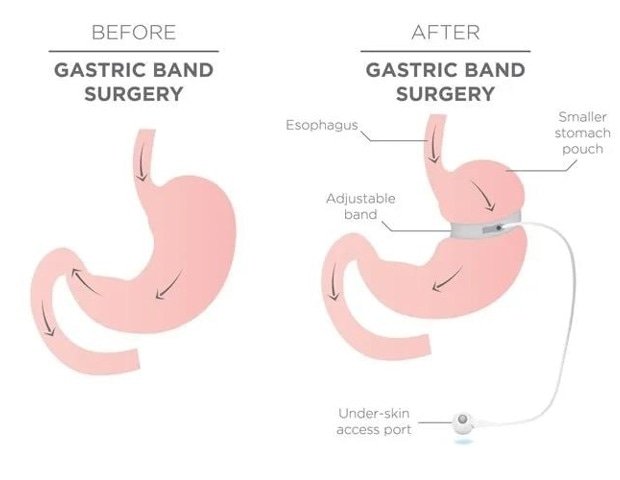
Other bariatric procedures, including gastric banding, biliopancreatic diversion with duodenal switch (BPD/DS), single-anastomotic duodeno-ileal bypass (SADI), and single-anastomotic gastric bypass (OAGB), each accounted for less than 2% of procedures.
“GLP-1 is starting a conversation in the clinic that wasn’t happening as much as it should have,” said Richard M. Peterson, MD, MPH, ASMBS, FASMBS president and professor of surgery at UT Health San Antonio, who was not involved in the study. “The high demand for these drugs and increased attention to the dangers of obesity has created an unprecedented opportunity to educate and engage patients about not only pharmacotherapy but all the proven treatments essential to effectively treating this chronic disease.”
According to ASMBS, currently less than 1% of people eligible for metabolic and bariatric surgery receive it in any given year. According to the latest estimates, more than 270,000 surgeries were performed in the United States in 2023. ASMBS estimates are based on multiple datasets, including the MBSAQIP database used in this study.
Metabolic and bariatric or weight loss surgeries, such as gastric bypass and sleeve gastrectomy, have been shown to be the most effective and long-term treatments for severe obesity. This surgery can improve or resolve conditions such as type 2 diabetes, heart disease, and high blood pressure, leading to significant and lasting weight loss. The procedure has a safety profile comparable to some of the safest and most commonly performed surgeries in the United States, including gallbladder surgery, appendectomy, and knee replacement.
sauce:
American Society of Metabolic and Bariatric Surgery
