


A federal judge in South Carolina ruled this week that the Trump administration’s termination of environmental justice grants was “unlawful.” The decision marks a setback for efforts to dismantle a Biden administration-era program that funds projects that address environmental and public health challenges in underserved communities across the country.
In his ruling, U.S. District Judge Richard Gergel found that the Environmental Protection Agency’s decision to eliminate the $2.8 billion Environmental and Climate Justice block grant program was illegal and invalidated the lawsuit.
But Mr. Gergel stopped short of issuing a permanent injunction requiring the agency to resume administering the program. He said such an order would likely require the federal government to rehire the employees who oversee the grants, but this seems “unrealistic” because the Trump administration has already laid off those employees. The judge also denied a request for an extension of the program’s September deadline for awarding grants.
The Southern Environmental Law Center filed the lawsuit in partnership with the Public Rights Project. Kim Meyer, the center’s litigation director, said the center is still “reviewing” the ruling.
“We’re going to talk to EPA and see how they plan to move forward, and then we’ll decide what our own next steps should be,” Meyer said, adding that the subsidy program should be restarted as soon as possible.
The grant program was established under the Inflation Control Act as part of the Biden administration’s broader efforts to address longstanding inequalities across the country. The grant was aimed at supporting community priorities, including reducing pollution and strengthening public health and climate change preparedness, according to budget documents.
Grants were often awarded to community groups working with local governments to address issues such as rising utility costs, air pollution, aging infrastructure, and extreme heat.
“These are projects that hundreds of communities across the country have been working on for years,” said implementation director Geelan Huber, former senior advisor to the EPA administrator. “These projects were supposed to address long-standing sources of pollution and climate change risks in the region, and it is a true tragedy that these grants have been discontinued.”
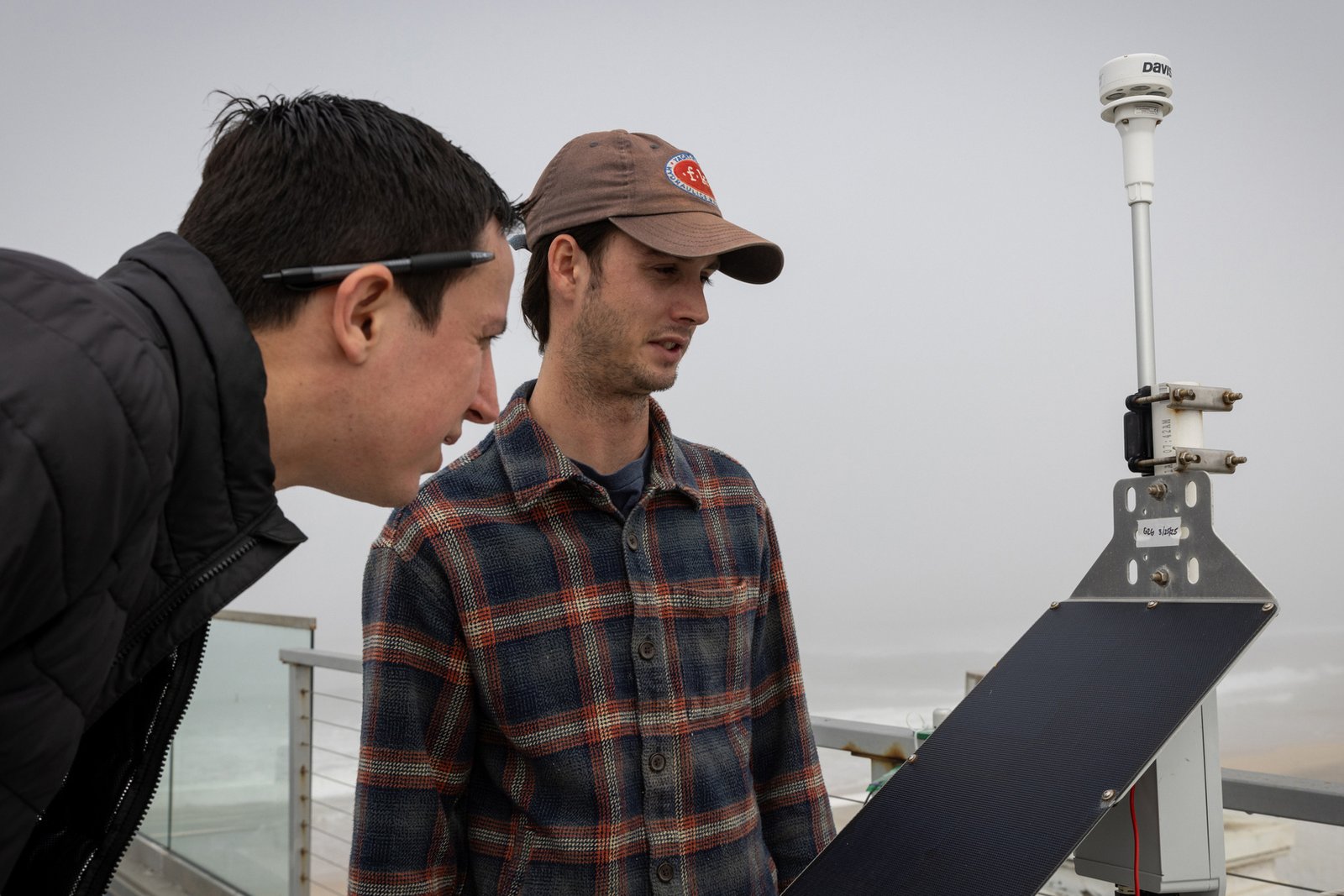
One of the grant recipients, CleanAIRE NC, a nonprofit organization dedicated to improving the health of North Carolinians, received $500,000 to install air sensors in four communities in Mecklenburg County, including Charlotte.
“These communities are all located in areas that are more exposed to pollution than their surrounding more affluent areas, resulting in very different experiences and health impacts,” said Andrew Whelan, director of communications strategy. “They are located near major highways, high industrial activity, and polluting factories and coal-fired power plants.”
This data will be used to educate communities on how to advocate for cleaner air, he said.
President Trump issued executive orders at the beginning of his term, one of which suspended “the disbursement of funds appropriated through the Inflation Control Act,” and another directed government agencies to “terminate ‘environmental justice’ positions and offices to the fullest extent permitted by law.”
According to court documents, EPA officials told the court that after review, they decided to end the Environmental and Climate Justice Block Grant program last February for “policy reasons.” Mr. Gurgel ruled that the decision was illegal.
In a similar case involving the same subsidy, Mr. Gergel ruled in favor of CleanAIRE NC and other plaintiffs, but the Fourth Circuit Court of Appeals reversed that decision. This case was about the legality behind the cancellation of the entire program, not individual grants.
An EPA spokesperson said in a written statement that the agency is “reviewing the decision.”
“For decades, families in northern Mecklenburg County have had to wait for basic transparency about the air they breathe,” North Carolina Clean Air’s Whelan said in an email. “While it is too early to know what impact this ruling will have on individual grant recipients, the court found that our communities were unfairly deprived of these critical air monitoring resources.”
About this story
As you may have noticed, this article, like all news we publish, is free to read. That’s because Inside Climate News is a 501c3 nonprofit organization. We don’t charge subscription fees, keep our news behind paywalls, or fill our website with ads. We provide climate and environmental news free to you and anyone who wants it.
That’s not all. We also share our news for free with dozens of other news organizations across the country. Many of them cannot afford to do their own environmental journalism. We’ve established bureaus across the country to report on local news, partner with local newsrooms and co-publish stories to ensure this important work is shared as widely as possible.
The two of us started ICN in 2007. Six years later, we won the Pulitzer Prize for national reporting and now run the nation’s oldest and largest dedicated climate newsroom. We tell the story in its entirety. We hold polluters accountable. We expose environmental injustice. We debunk misinformation. We explore solutions and inspire action.
Donations from readers like you fund all aspects of our work. If you haven’t already, will you support our ongoing work, our coverage of the biggest crises facing our planet, and help us reach more readers in more places?
Please make a tax-deductible donation. Any of those things make a difference.
thank you,

Lauren Dalban
new york city reporter
Lauren Dalban is a New York City-based reporter with a background in local journalism. A former ICN Fellow, she is currently responsible for environmental issues for all five boroughs. A native of London, she earned a bachelor’s degree in history and English from the University of Virginia and a master’s degree from the Columbia University Graduate School of Journalism.
