

Close Menu

    Subscribe to Updates

    Get the latest creative news from FooBar about art, design and business.

    What's Hot

    Schrödinger’s anthill: quantum entanglement discovered in crystals large enough to hold

    July 8, 2026

    Scientists revive 3.2 billion-year-old enzyme to reveal how life began on Earth

    July 8, 2026

    Bumblebees collect up to seven times more toxic metals than honey bees

    July 8, 2026
    Facebook X (Twitter) Instagram
    Facebook X (Twitter) Instagram
    Health Magazine
    • Home
    • Environmental Health
    • Health Technology
    • Medical Research
    • Mental Health
    • Nutrition Science
    • Pharma
    • Public Health
    • Discover
      • Daily Health Tips
      • Financial Health & Stability
      • Holistic Health & Wellness
      • Mental Health
      • Nutrition & Dietary Trends
      • Professional & Personal Growth
    • Our Mission
    Health Magazine
    Home » News » Molecular changes in space travelers’ livers provide clues to aging
    Discover

    Molecular changes in space travelers’ livers provide clues to aging

    healthadminBy healthadminJuly 7, 2026No Comments4 Mins Read
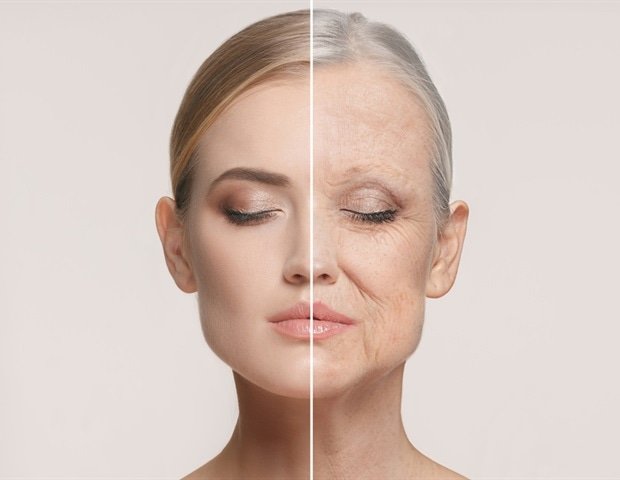
    Molecular changes in space travelers’ livers provide clues to aging
    Share
    Facebook Twitter Reddit Telegram Pinterest Email


    What happens to the human body in space may help scientists develop new anti-aging treatments.

    UCF’s Michal Masternak and his team have identified molecular changes in the liver that occur when space travelers experience radiation and microgravity. These changes, which resemble accelerated aging, provide new insight into how prolonged space missions increase health risks for astronauts and reveal potential targets for treatments that could combat age-related diseases on Earth.

    We focused on the liver because it is one of the major metabolic organs in our body. What we discovered was that just 24 hours after radiation exposure, there are many genetic changes in the liver that are very similar to those that occur during aging. If someone had been in space for much longer, the damage could have been even greater. ”


    Michal Masternak, Professor of Medicine, Leader of the Aging and Space Medicine Research Activities at UCF School of Medicine

    The results of this research have recently Gero science.

    navigating science

    For the study, UCF researchers and U.S. scientists created a simulated deep space environment in the laboratory. The research team exposed animal models to a simulated microgravity environment for 14 days at NASA’s Space Radiation Laboratory to experience galactic cosmic radiation and solar particle events in an attempt to mimic the doses astronauts would receive during a trip to Mars.

    This exposure caused significant and potentially harmful changes in the liver, including increased cellular senescence (senescence and decreased cellular function), inflammation, and fibrosis. If left untreated, these symptoms can eventually lead to decreased organ function and even failure.

    The research team then compared their results to data collected from astronaut blood samples taken during NASA’s Twin Study and the Inspiration 4 astronauts. They observed similar genetic changes in the blood.

    “We have raw data from human studies that show that some of those changes are similar,” Masternak says. “This shows that we are identifying a useful molecular target that could one day help protect astronauts during long-duration space missions.”

    They also went a step further to see if the changes could be treated. They identified a group of molecules known as antagomirs that alter several aging and inflammatory genetic pathways by interacting with the body’s microRNAs. The system could pinpoint promising future treatments for space travelers.

    Understanding aging in the space age

    Masternack says the country’s growing space industry provides a unique opportunity to study aging at an accelerating pace.

    “When studying different aging processes, it often takes time,” he says. “Even in humans, that would be nearly impossible, as it would take decades. But if we see accelerated aging in space, we can apply it to human research. We can observe processes happening much faster, understand them more deeply, and ultimately use that knowledge to improve the health of people on Earth.”

    These discoveries could ultimately lead to treatments that slow age-related diseases, preserve organ function, and improve everyone’s quality of life as we age.

    “Our understanding of aging is very complex,” Masternak says. “Aging is more than just wrinkles and cosmetic changes. Aging is a gradual, cascading dysfunction of multiple organs and biological systems that occurs simultaneously. Understanding what initiates the process and where it occurs increases our chances of preventing many diseases before they occur. This is one of the biggest unanswered questions.”

    Students at the forefront of space medicine

    Medical students also benefit from space medicine research. Biomedical Science PhD Student Mohd Tanzim Alam He joined Masternak’s lab during his master’s degree in biotechnology after originally planning to study cancer in relation to aging biology. He then studied space medicine, including processing astronaut samples taken from commercial space travelers to study how extreme environments affect human biology. The research inspired him.

    “I want to continue exploring the unknown,” says Alam. “We really want to understand how space travel affects human health, especially its effects on aging and cancer.”

    Biotechnology Graduate Student Sarah S. Siddiqui She says she was drawn to the space medicine and aging lab because of the interdisciplinary nature of the research.

    “When people think about aging, they only think about the elderly population,” says Siddiqui, who earned her bachelor’s degree as a Burnett Honors Scholar in Biomedical Sciences. “But we study aging at different stages of life and across different environments, including space. My focus will always be on improving quality of life. I want to better understand the increasingly prevalent disease and find ways to recognize it early before it progresses to later stages.”

    sauce:

    Reference magazines:

    Haislip, N. Others. (2026) Cosmic radiation and microgravity as models of accelerated aging: regulation of hepatic miRNA-TGF-β networks associated with aging and fibrosis. Gero science. DOI: 10.1007/s11357-026-02365-x. https://med.ucf.edu/news/new-ucf-study-links-microgravity-space-radiation-to-accelerated-aging/


    Source link

    Visited 1 times, 1 visit(s) today
    Share. Facebook Twitter Pinterest LinkedIn Telegram Reddit Email
    Previous ArticleExposure to the sun and nitrogen dioxide may increase the likelihood of migraines
    Next Article Innovative polysaccharide hydrogel brings new hope for wound healing
    healthadmin

    Related Posts

    Study reveals why rare leukemia patients develop resistance to taglaxofusp

    July 7, 2026

    New leukemia treatment successfully eradicates measurable residual disease

    July 7, 2026

    Infants begin to move to music within the first year of life

    July 7, 2026

    Researchers identify key protein that balances gut immunity and inflammation

    July 7, 2026

    Innovative polysaccharide hydrogel brings new hope for wound healing

    July 7, 2026

    New Mount Sinai Center Focuses on Advances in Individualized Treatment of Peanut Allergies

    July 7, 2026
    Add A Comment
    Leave A Reply Cancel Reply

    Categories

    • Daily Health Tips
    • Discover
    • Environmental Health
    • Exercise & Fitness
    • Featured
    • Featured Videos
    • Financial Health & Stability
    • Fitness
    • Fitness Updates
    • Health
    • Health Technology
    • Healthy Aging
    • Healthy Living
    • Holistic Healing
    • Holistic Health & Wellness
    • Medical Research
    • Medical Research & Insights
    • Mental Health
    • Mental Wellness
    • Natural Remedies
    • New Workouts
    • Nutrition
    • Nutrition & Dietary Trends
    • Nutrition & Superfoods
    • Nutrition Science
    • Pharma
    • Preventive Healthcare
    • Professional & Personal Growth
    • Public Health
    • Public Health & Awareness
    • Selected
    • Sleep & Recovery
    • Top Programs
    • Weight Management
    • Workouts
    Popular Posts
    • 1773313737_bacteria_-_Sebastian_Kaulitzki_46826fb7971649bfaca04a9b4cef3309-620x480.jpgHow Sino Biological ProPure™ redefines ultra-low… March 12, 2026
    • pexels-david-bartus-442116The food industry needs to act now to cut greenhouse… January 2, 2022
    • 1773729862_TagImage-3347-458389964760995353448-620x480.jpgDespite safety concerns, parents underestimate the… March 17, 2026
    • 1773209206_futuristic_techno_design_on_background_of_supercomputer_data_center_-_Image_-_Timofeev_Vladimir_M1_4.jpegMulti-agent AI systems outperform single models… March 11, 2026
    • 1774403998_image_28620e4b6b0047f7ab9154b41d739db1-620x480.jpgGait pattern helps distinguish between Lewy body… March 24, 2026
    • Leukemia-620x480.jpgBiomimetic platform powers CAR T therapy for… March 9, 2026

    Demo
    Stay In Touch
    • Facebook
    • Twitter
    • Pinterest
    • Instagram
    • YouTube
    • Vimeo
    Don't Miss

    Schrödinger’s anthill: quantum entanglement discovered in crystals large enough to hold

    By healthadminJuly 8, 2026

    Quantum phenomena are usually associated with very small objects, such as individual atoms, molecules, or…

    Scientists revive 3.2 billion-year-old enzyme to reveal how life began on Earth

    July 8, 2026

    Bumblebees collect up to seven times more toxic metals than honey bees

    July 8, 2026

    Incredible new materials make heat programmable

    July 7, 2026

    Subscribe to Updates

    Get the latest creative news from SmartMag about art & design.

    HealthxMagazine
    HealthxMagazine

    At HealthX Magazine, we are dedicated to empowering entrepreneurs, doctors, chiropractors, healthcare professionals, personal trainers, executives, thought leaders, and anyone striving for optimal health.

    Our Picks

    Incredible new materials make heat programmable

    July 7, 2026

    East Asian countries embrace contradiction and change to lead the world

    July 7, 2026

    Study finds takeaway meals contain more salt than advertised

    July 7, 2026
    New Comments
      Facebook X (Twitter) Instagram Pinterest
      • Home
      • Privacy Policy
      • Our Mission
      © 2026 ThemeSphere. Designed by ThemeSphere.

      Type above and press Enter to search. Press Esc to cancel.