


New research suggests many of Britain’s most popular takeaway dishes contain more salt than commonly believed. In some cases, a single meal could significantly exceed the recommended daily limit, even though menu labels indicated otherwise.
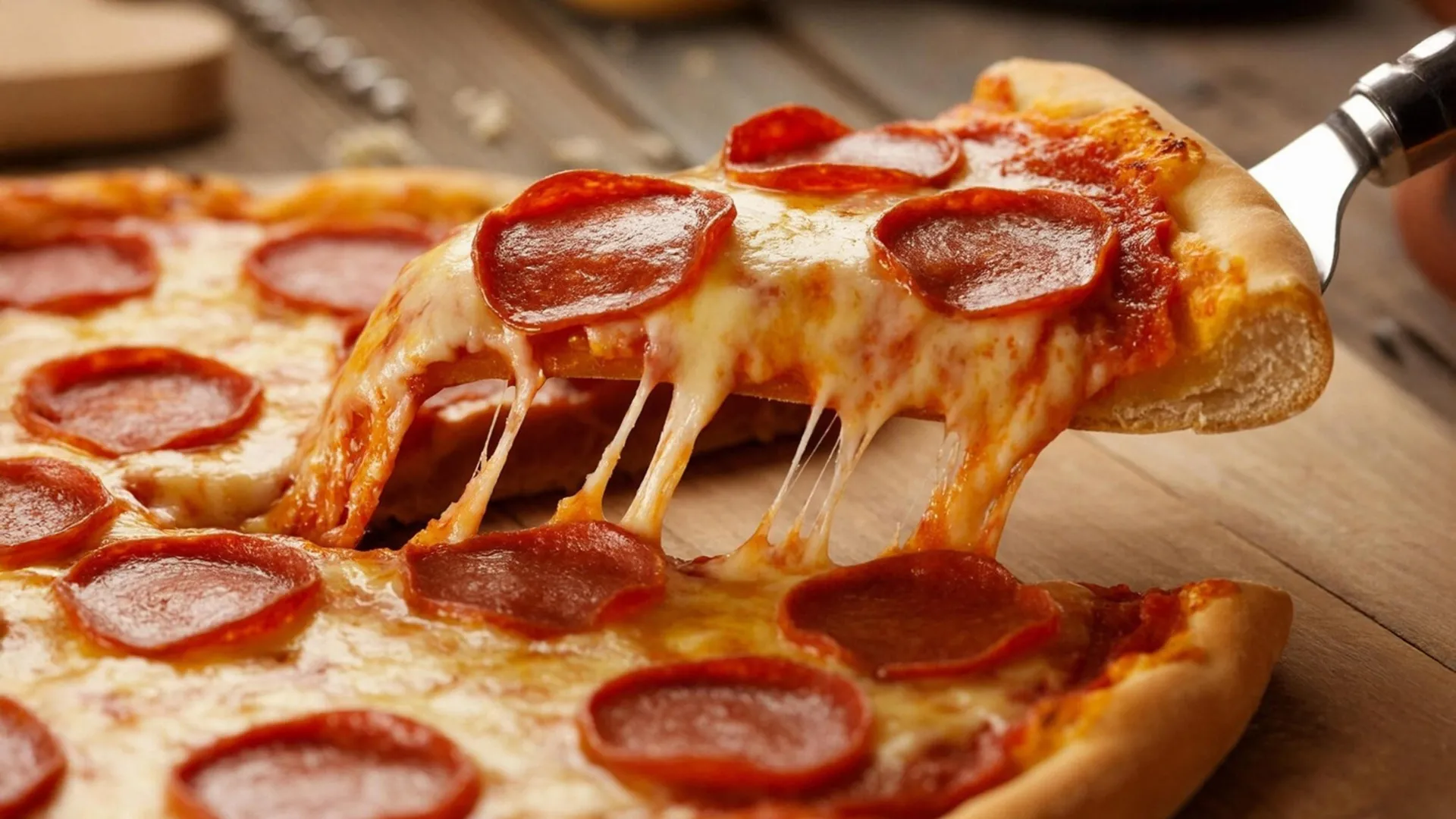
Researchers found that 47% of the takeaway food they tested contained more salt than the stated value. Curry, pasta dishes and pizza were among the foods most likely to be higher in salt than advertised.
Although not all restaurants list salt information on their menus, some meals purchased from independent restaurants in Reading contained more than 10g of salt per serving. By comparison, the recommended daily salt intake for UK adults is 6g.
One unexpected finding was that traditional fish and chip shops served the lowest salt meals. Because salt is usually added after cooking and only when requested, these meals are generally lower in sodium than many other grab-and-go options.
We investigated take-out salt labels.
The study was carried out by researchers at the University of Reading and published in the journal. Pro Swaninvestigated how accurately restaurant menus report their salt content, and how much salt levels vary between similar dishes.
Professor Gunter Kuhnle, from the University of Reading, who led the research, said: “We conducted this study because we suspected that many menu labels were inaccurate with regard to salt. It is very difficult for restaurants to provide accurate values without measuring each meal. Food labels are often made up of guesswork, as cooking methods, ingredients used and portion sizes vary. It is virtually impossible to know exactly how much salt is added to your dinner.”
“While food companies have lowered the salt content of commercially available foods in recent years, our research shows that eating out is often too salty. Menu labels should help people make better food choices, but almost half of the foods tested with salt labels contained more salt than declared. The public needs to be aware that menu labels are at best a guide, not an accurate measurement.”
Which takeout food had the most salt?
To conduct the study, the team purchased 39 takeout meals from 23 restaurants in Reading, including national restaurant chains and independent takeout businesses.
Research findings include:
- Meat pizza had the highest salt concentration at 1.6g per 100g.
- Pasta dishes have the highest sodium content per serving, averaging 7.2g, which is more than the daily recommended intake in a single meal. One plate of pasta contained 11.2g of salt.
- Curry dishes had the widest range of salt content, varying from 2.3g to 9.4g per serving.
- Chips from fish and chip shops had the lowest sodium content, at just 0.2g per serving. This is because salt is generally added after cooking and only on request. By comparison, chips from other takeaways averaged 1g per serving.
The World Health Organization estimates that excessive salt intake is linked to 1.8 million deaths worldwide each year.
