


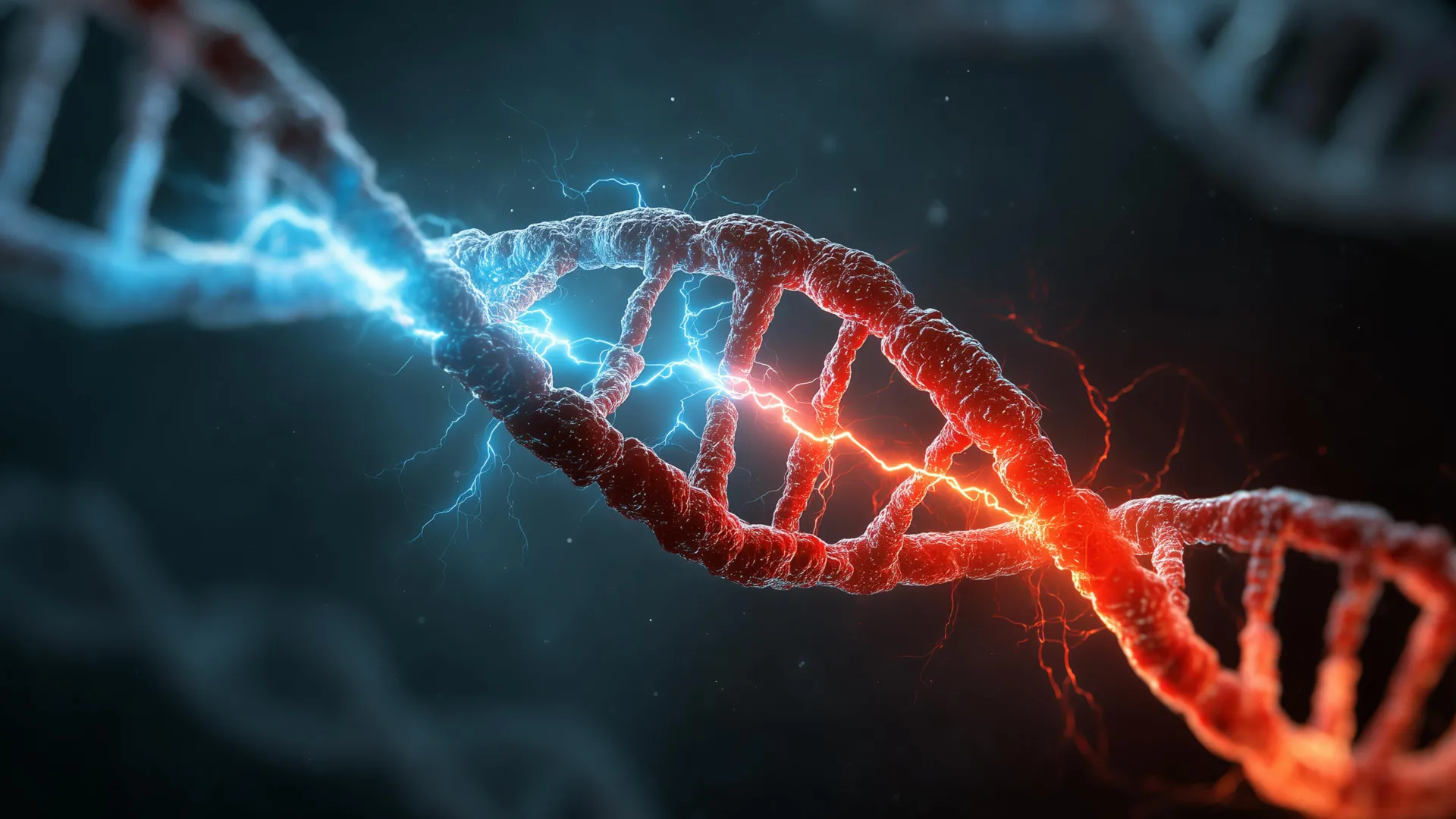
Even with today’s advanced DNA sequencing technology, the underlying genetic causes of many rare movement disorders remain unknown. German researchers have discovered an important new clue. Scientists identified a deleterious mutation in a gene called CD99L2 as the cause of X-linked spastic ataxia after analyzing 2,811 people with ataxia, hereditary spastic paraplegia, and dystonia.
This discovery is nature communicationscan help explain previously unresolved neurological diseases and provide new insights into how certain neurodegenerative diseases develop.
Researchers link CD99L2 to rare neurological disease
Prior to this study, CD99L2 was primarily recognized for its role in the immune system. The neurological function of this gene was not established.
Using a combination of genome-wide genetic analysis and laboratory experiments in cells, the research team demonstrated that CD99L2 is also essential for communication pathways within nerve cells. Their findings reveal that this gene plays an important role in maintaining normal nerve signaling.
How genes affect brain cell function
Scientists at Ruhr University Bochum have discovered that a protein produced by CD99L2 acts as an activation partner for CAPN1, a calcium-dependent protease already known to be involved in hereditary spastic paraplegia and ataxia.
“Disease-causing variants disrupt the production of the CD99L2 protein in cells and prevent it from interacting with CAPN1,” explains Dr. Jonasz Weber. “We also saw a specific disruption of synaptic processes in the patients’ cells.”
According to the researchers, CD99L2 deficiency reduces activation of CAPN1. This disrupts important neural signaling pathways and may provide an explanation for the movement-related symptoms seen in affected individuals.
Combining genetics and neuroscience
The findings highlight the value of combining genetic testing with functional studies of how genes function within cells.
“Our results show that genetic diagnostics and functional neuroscience are not mutually exclusive fields,” Weber says. “Only when both fields work closely together will we be able to derive reliable disease mechanisms from genetic variation.”
Identification of CD99L2 as the disease-causing gene could improve genetic diagnosis for people with rare movement disorders. It also provides researchers with new information about the biological processes involved in neurodegeneration.
What is spastic ataxia?
Spastic ataxias are a group of rare neurodegenerative diseases characterized by motor coordination problems (ataxia) with spastic paralysis. This condition results from damage that affects motor pathways within the cerebellum and central nervous system.
The age at which symptoms appear and the progression of the disease vary widely depending on the underlying genetic cause.
A large-scale genetic analysis of the patient cohort was performed in Tübingen under the supervision of Dr. Tobias Haack. Functional research on the newly identified disease gene was led by Dr. Jonas Weber and colleagues at the Department of Human Genetics at Ruhr University Bochum.
