

Close Menu

    Subscribe to Updates

    Get the latest creative news from FooBar about art, design and business.

    What's Hot

    Musicians show a small but steady advantage in sustained attention from childhood to adulthood

    May 14, 2026

    Supreme Court upholds access to mifepristone while litigation continues

    May 14, 2026

    Making instant judgments about dating apps can hurt your sense of worth as a partner.

    May 14, 2026
    Facebook X (Twitter) Instagram
    Facebook X (Twitter) Instagram
    Health Magazine
    • Home
    • Environmental Health
    • Health Technology
    • Medical Research
    • Mental Health
    • Nutrition Science
    • Pharma
    • Public Health
    • Discover
      • Daily Health Tips
      • Financial Health & Stability
      • Holistic Health & Wellness
      • Mental Health
      • Nutrition & Dietary Trends
      • Professional & Personal Growth
    • Our Mission
    Health Magazine
    Home » News » Cassandra Rauert’s journey to build the first plastic-free laboratory
    Environmental Health

    Cassandra Rauert’s journey to build the first plastic-free laboratory

    healthadminBy healthadminMarch 17, 2026No Comments4 Mins Read
    Cassandra Rauert’s journey to build the first plastic-free laboratory
    Share
    Facebook Twitter Reddit Telegram Pinterest Email


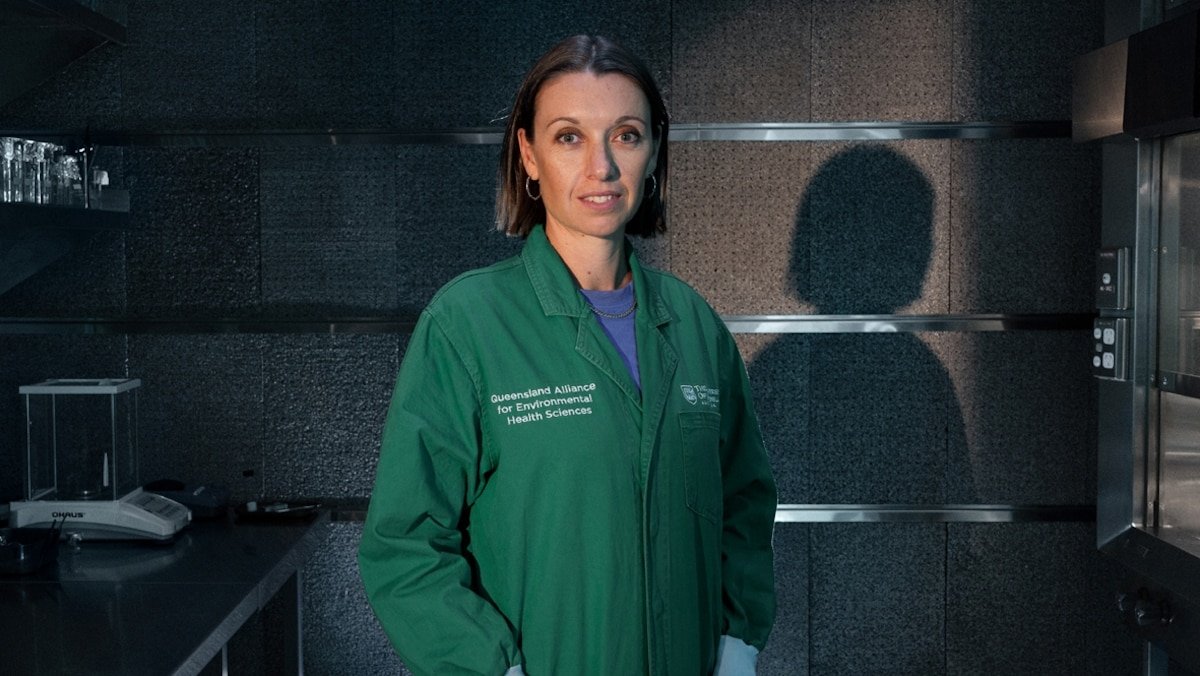
    When Cassandra Rauert was new to her job as an analytical chemist studying microplastics in human tissue, the idea occurred to her: “Maybe I should test my blood?” This was six years ago, and scientists had known for decades that tiny plastic particles were contaminating the world’s soil and wreaking havoc on marine life, but they were just calculating how microplastics were also making their way into our bodies. Rauert and colleagues at the Queensland Alliance for Environmental Health Sciences (QAEHS) in Brisbane, Australia, were looking for answers.

    When her results suggested she was full of polyethylene, Rauert was shocked, but also skeptical. “Biologically, it doesn’t make sense for blood to turn into plastic at that rate,” she reasoned. Her momentary question set the stage for innovations that will advance the fight against the ubiquity of microplastics.

    Since then, the headlines about the microplastic scourge have become even more breathtaking. We consume the weight of a credit card’s worth of plastic every week. However, in reality, reliable data is difficult to obtain. Imagine streaming songs from your phone’s speakers during a rock concert. It is indistinguishable from the music coming from the PA. When testing for the presence of plastic, the background noise is the 9 billion tons of material that humans have produced since the 1950s and is present in nearly every aspect of our lives. And if we can’t determine exactly how much plastic is in a piece of fish or a vial of blood, how can we regulate or improve it?

    A few months after Rauert had her blood tested, the director of QAEHS approached her for advice. A charity called the Minderoo Foundation, which sponsors research into microplastics and human health, has agreed to fund the construction of a one-of-a-kind laboratory that is almost completely free of plastics and their toxic chemical additives. Can Lauert help design and build it?

    She assembled a team and spent the next six months diligently testing the plastic content of building materials. The result is an airlocked, 250-square-foot facility built almost entirely of stainless steel and dubbed the “Submarine.” However, it feels less like a submarine and more like a spaceship from an galaxy where plastic never took over modern life.
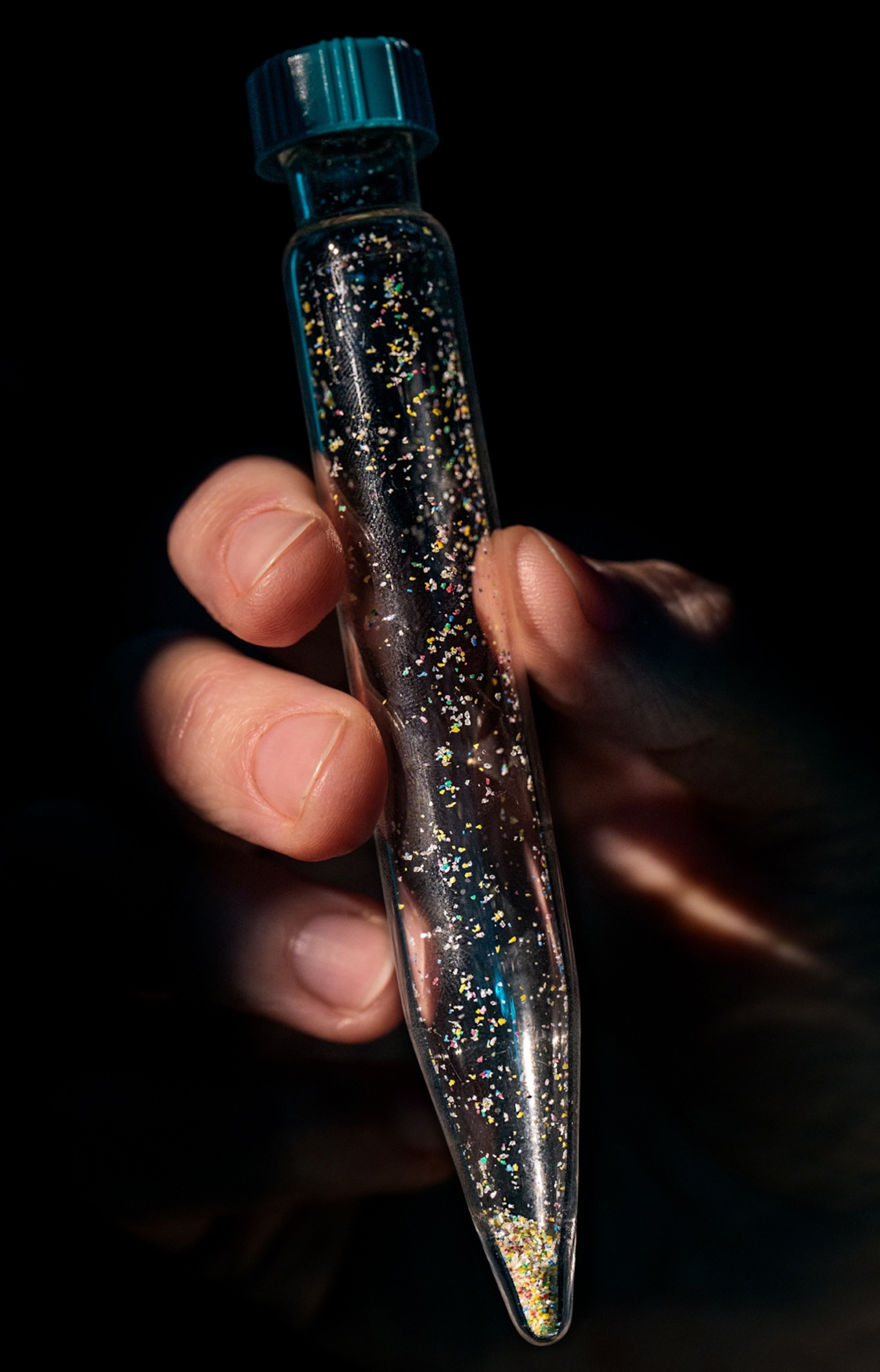
    Vial with colorful granules

    The microplastics suspended in solution here are typically defined as particles between 5 millimeters and 1 nanometer wide.

    The lab is officially known as the Minderow Institute for Plastics and Human Health, and the background levels of plastics inside it are “at least 100 times lower” than in traditional labs, Rauert said. Researchers can handle samples without worrying about contamination. That means Rauert and his colleagues can finally begin to determine which testing methods are more likely to produce false positives and other misidentifications for microplastics (and even tiny nanoplastics) in human tissue. Reliable testing can help answer important questions about where microplastics settle in the body.

    Some of the first peer-reviewed studies conducted in the clean room were published last year with Rauert as lead author. One very common method for detecting microplastics turns out to be unreliable at distinguishing between polyethylene and other chemicals in blood. In other words, Mr. Rauert’s initial blood test was questionable — and so might that intimidating headline.

    That doesn’t mean microplastics don’t pose a danger to humans, a fact Lauert knows better than anyone. Correlative evidence suggests links to dementia, premature birth, and other problems. But Rauert also knows that scientists can’t analyze these risks with sketchy data. That’s why she and her colleagues didn’t just build a clean room, they open-sourced its design and made the process and plans public so institutions could replicate it.


    Source link

    Visited 13 times, 1 visit(s) today
    Share. Facebook Twitter Pinterest LinkedIn Telegram Reddit Email
    Previous ArticlePsychiatrists’ use of biomarkers could open new windows in mental health diagnosis
    Next Article Researchers identify CD99L2 gene as the cause of spastic ataxia
    healthadmin

    Related Posts

    NC regulators have chosen not to set numerical limits for chemical contamination of waterways. why?

    May 14, 2026

    Challenges facing North Carolina oyster farmers range from disease to drought

    May 14, 2026

    New York’s plastics law advances amid debate over ‘chemical recycling’

    May 14, 2026

    How hot will the 2026 World Cup be? Is it dangerous for players and fans? | 2026 World Cup

    May 14, 2026

    New Mexico environmental officials and U.S. Air Force agree on PFAS cleanup plan around cannons • Source New Mexico

    May 13, 2026

    Some lawmakers are targeting big oil companies as property/casualty insurance crisis worsens • Stateline

    May 13, 2026
    Add A Comment

    Comments are closed.

    Categories

    • Daily Health Tips
    • Discover
    • Environmental Health
    • Exercise & Fitness
    • Featured
    • Featured Videos
    • Financial Health & Stability
    • Fitness
    • Fitness Updates
    • Health
    • Health Technology
    • Healthy Aging
    • Healthy Living
    • Holistic Healing
    • Holistic Health & Wellness
    • Medical Research
    • Medical Research & Insights
    • Mental Health
    • Mental Wellness
    • Natural Remedies
    • New Workouts
    • Nutrition
    • Nutrition & Dietary Trends
    • Nutrition & Superfoods
    • Nutrition Science
    • Pharma
    • Preventive Healthcare
    • Professional & Personal Growth
    • Public Health
    • Public Health & Awareness
    • Selected
    • Sleep & Recovery
    • Top Programs
    • Weight Management
    • Workouts
    Popular Posts
    • 1773313737_bacteria_-_Sebastian_Kaulitzki_46826fb7971649bfaca04a9b4cef3309-620x480.jpgHow Sino Biological ProPure™ redefines ultra-low… March 12, 2026
    • the-pros-and-cons-of-paleo-dietsThe Pros and Cons of Paleo Diets: What Science Really Says April 16, 2025
    • pexels-david-bartus-442116The food industry needs to act now to cut greenhouse… January 2, 2022
    • 1773729862_TagImage-3347-458389964760995353448-620x480.jpgDespite safety concerns, parents underestimate the… March 17, 2026
    • Improve Mental Health10 Science-Backed Practices to Improve Mental Health… March 11, 2025
    • 1773209206_futuristic_techno_design_on_background_of_supercomputer_data_center_-_Image_-_Timofeev_Vladimir_M1_4.jpegMulti-agent AI systems outperform single models… March 11, 2026

    Demo
    Stay In Touch
    • Facebook
    • Twitter
    • Pinterest
    • Instagram
    • YouTube
    • Vimeo
    Don't Miss

    Musicians show a small but steady advantage in sustained attention from childhood to adulthood

    By healthadminMay 14, 2026

    Learning a musical instrument may strengthen your attention and alertness from childhood to adulthood, according…

    Supreme Court upholds access to mifepristone while litigation continues

    May 14, 2026

    Making instant judgments about dating apps can hurt your sense of worth as a partner.

    May 14, 2026

    Eli Lilly contributes $50 million to UNICEF’s childhood health initiatives

    May 14, 2026

    Subscribe to Updates

    Get the latest creative news from SmartMag about art & design.

    HealthxMagazine
    HealthxMagazine

    At HealthX Magazine, we are dedicated to empowering entrepreneurs, doctors, chiropractors, healthcare professionals, personal trainers, executives, thought leaders, and anyone striving for optimal health.

    Our Picks

    Eli Lilly contributes $50 million to UNICEF’s childhood health initiatives

    May 14, 2026

    Epic, Cleveland Clinic joins CMS preclearance effort

    May 14, 2026

    After 100 years, scientists finally uncover the hidden laws behind cosmic rays

    May 14, 2026
    New Comments
      Facebook X (Twitter) Instagram Pinterest
      • Home
      • Privacy Policy
      • Our Mission
      © 2026 ThemeSphere. Designed by ThemeSphere.

      Type above and press Enter to search. Press Esc to cancel.