


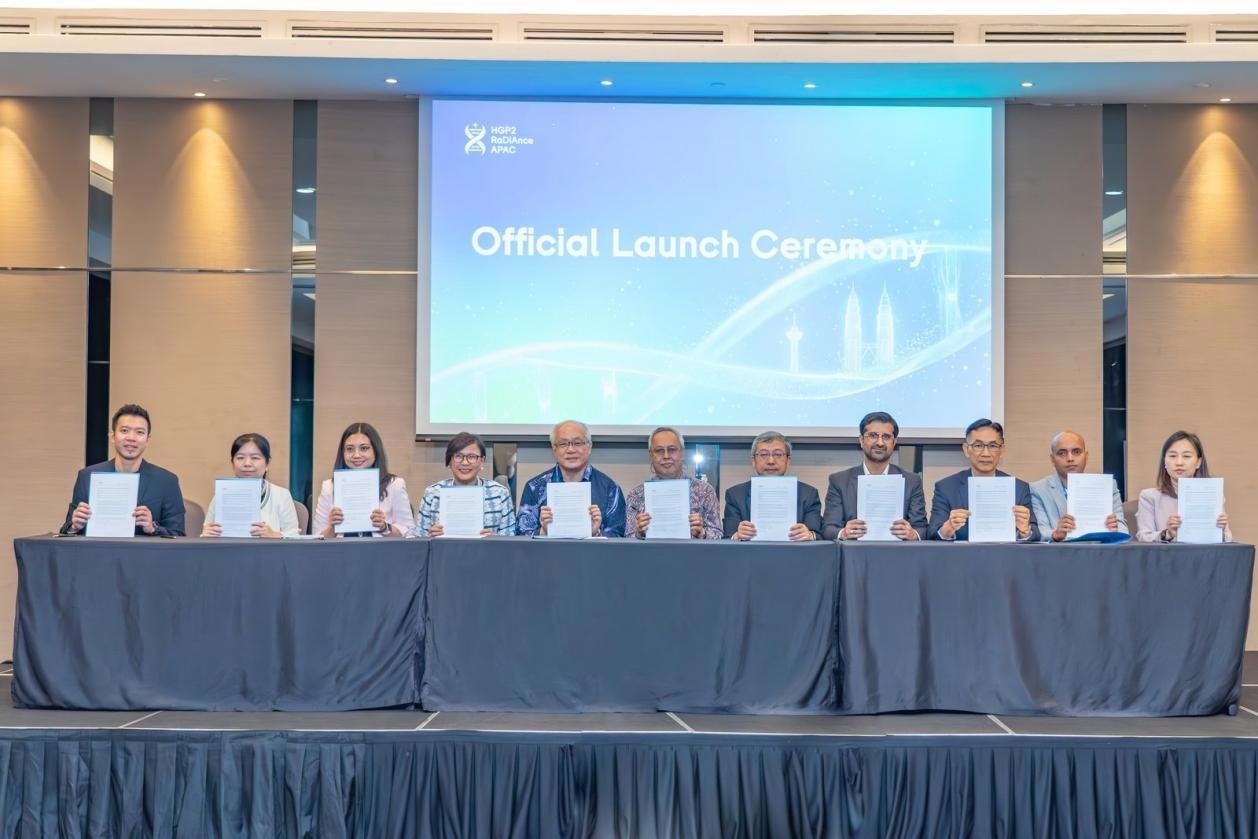
The HGP2 Asia-Pacific Rare Disease Alliance (HGP2 RaDiAnce – APAC) was officially launched on May 10 in Kuala Lumpur.
Hi. Dr. Datuk Nor Fariza Binti Ngah, Deputy Director-General (Research and Technical Support), Ministry of Health Malaysia, and Hou Yong, General Manager, BGI Genomics, joined leading experts to discuss urgent priorities in rare disease diagnosis, genomics, and public health responses.
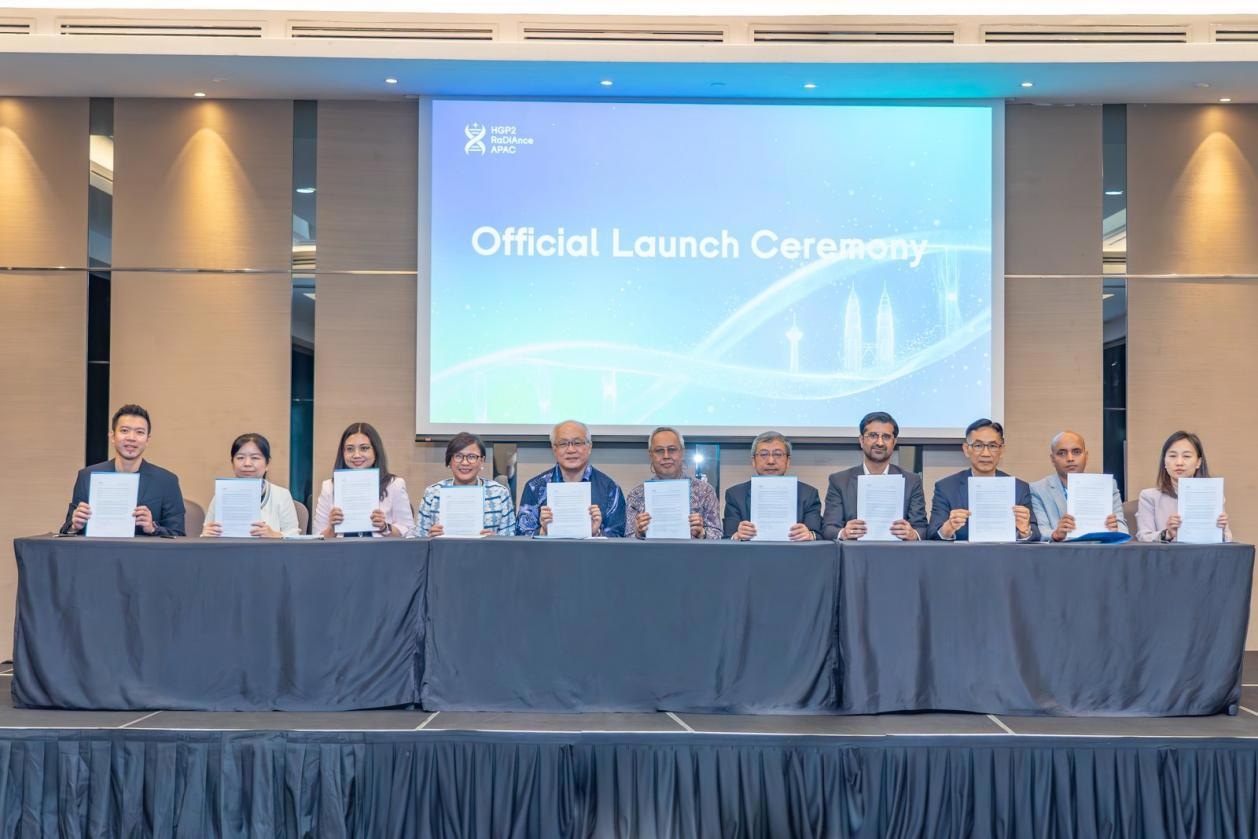
The HGP2 Asia-Pacific Rare Disease Alliance (HGP2 RaDiAnce-APAC) was officially launched on May 10, 2026 in Kuala Lumpur, Malaysia. During the event, Alliance members co-signed the Joint Declaration of the HGP2 RaDiAnce-APAC Initiative, reaffirming their common commitment to advancing regional collaboration in rare disease care across the Asia-Pacific region. (Image credit: HGP2 RaDiAnce-APAC)
The Alliance brings together members from 10 countries to address diagnostic gaps under the framework of the Human Genome Project II (HGP2). A unified joint declaration for rare disease prevention and genomic medicine in the Asia-Pacific region was established. The declaration covers five key areas: ethics, accessibility, collaboration, acceleration, and public response.
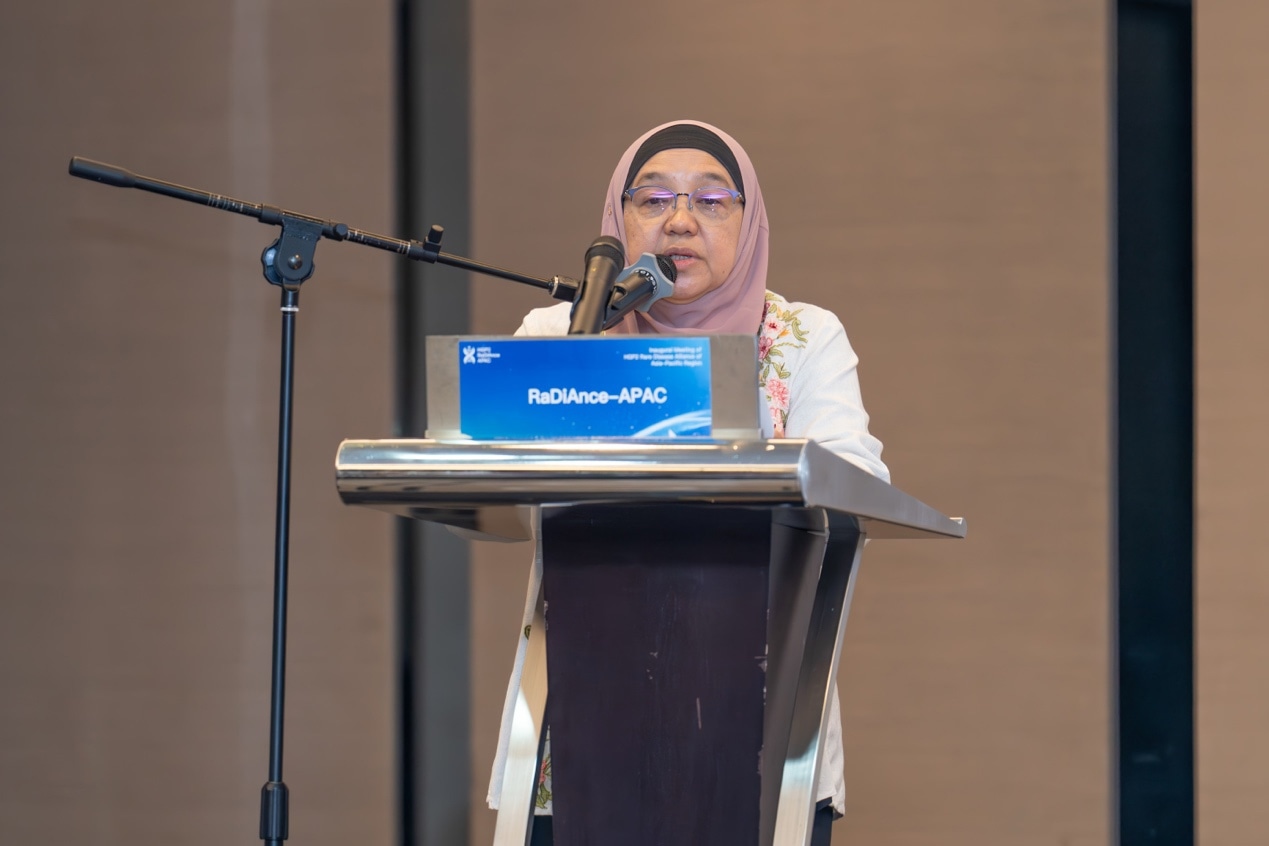
Deputy Director General YBhg. Datuk Nor Fariza Binti Ngah will give the opening remarks. (Image credit: HGP2 RaDiAnce-APAC)
Hi. Datuk Dr. Nor Fariza Binti Ngah said, “Precision health is not a future goal, but a present responsibility. Malaysia is committed to moving from reactive medicine to predictive, preventive and more personalized medicine by integrating genomics, artificial intelligence, advanced technologies and strong policy frameworks into the health system.”
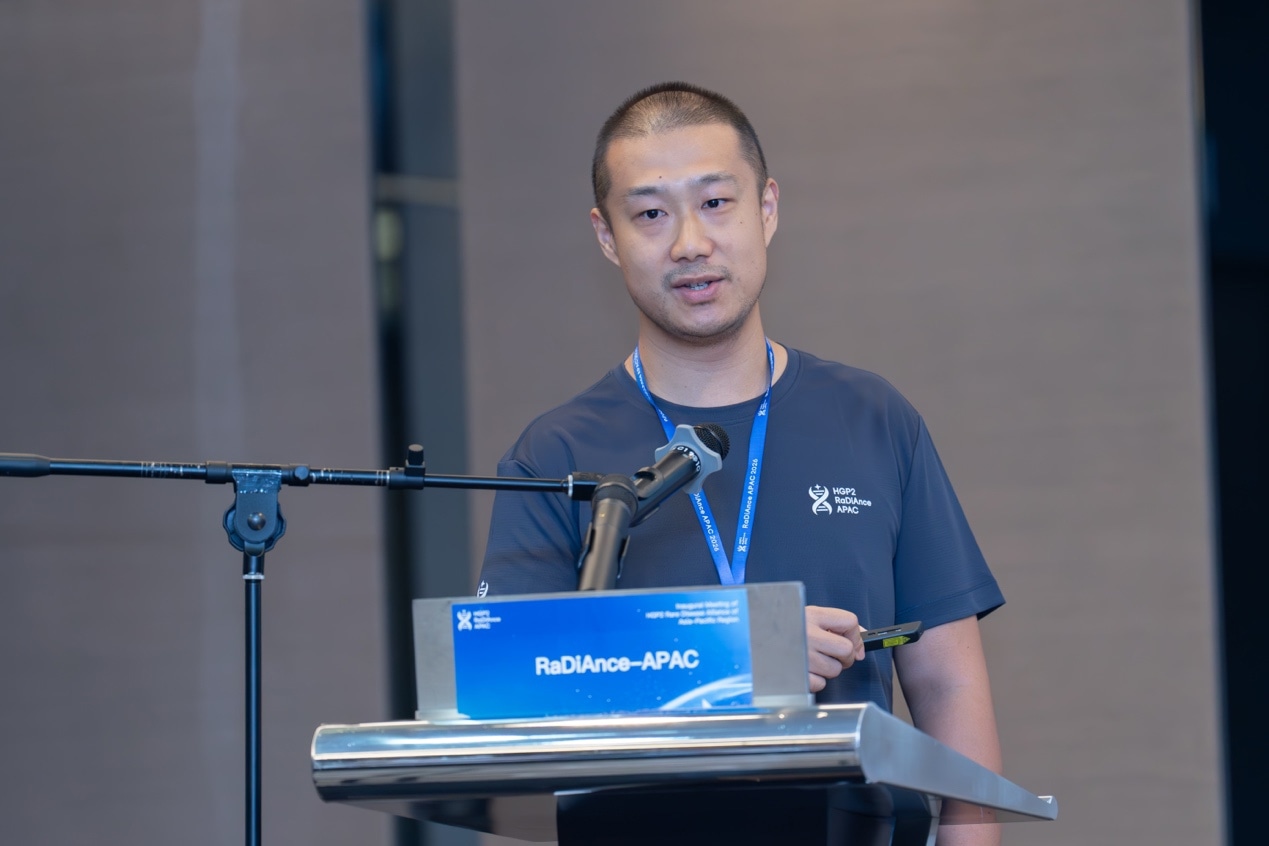
Dr. Hou Yong speaking at the ceremony. (Image credit: HGP2 RaDiAnce-APAC)
Dr. Hou Yong, general manager of BGI Genomics, said: “HGP2 Radiance-APAC will drive standardization, intelligent transformation, and equitable access for rare disease diagnosis and treatment across the Asia-Pacific region, ensuring that no life is limited by disease and no distance stands in the way of compassion.”
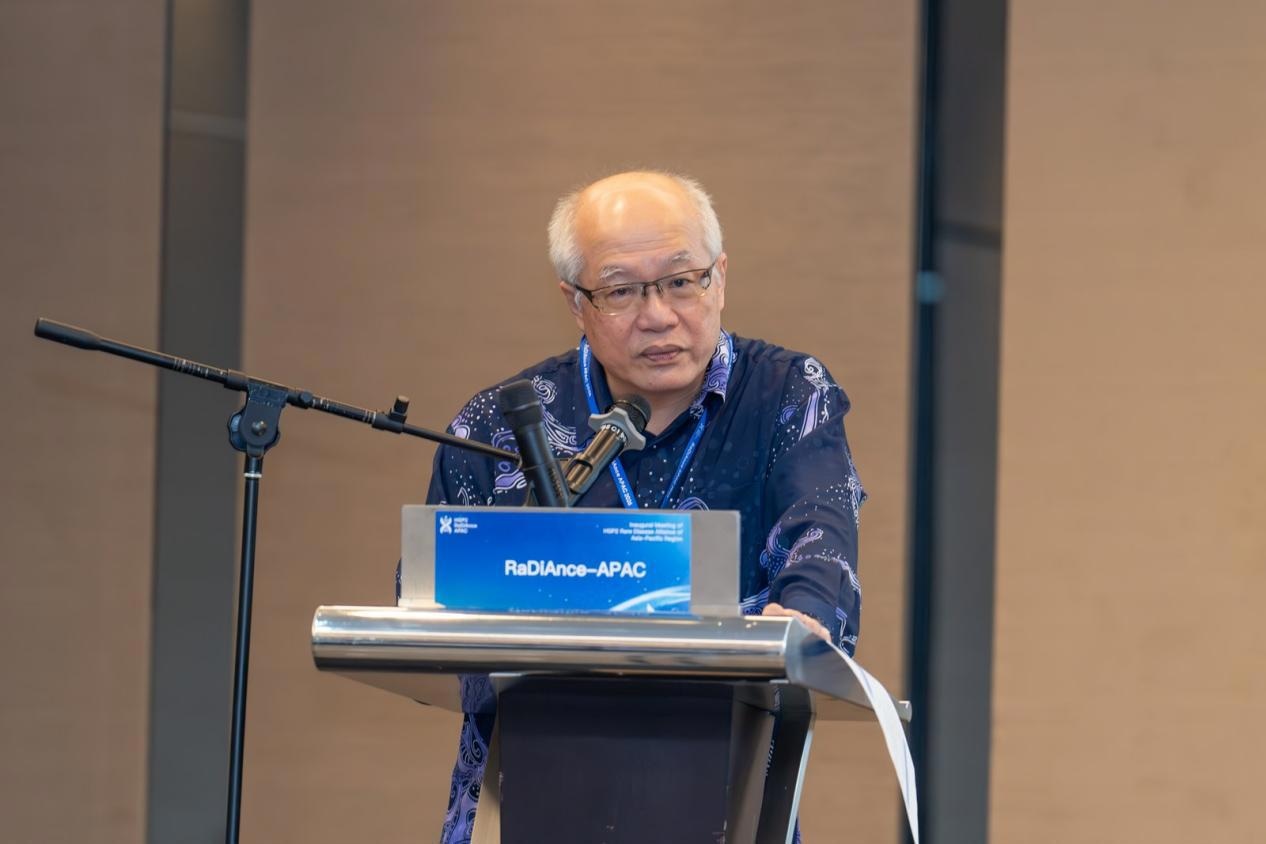
Tunku Abdulrahman University Professor. Visiting Consultant Clinical Geneticist at University Malaya Medical Center (Image credit: HGP2 RaDiAnce-APAC)
Tong Nyao Keong, professor at Universiti Tunku Abdul Rahman and visiting consultant clinical geneticist at University Malaya Medical Center, said the Asia-Pacific region is currently promoting HGP2 with a focus on developing rare disease diagnosis, genetic technology and precision public health. He predicted that genetic technology and artificial intelligence will drive the transformation of healthcare systems in the field of rare diseases.
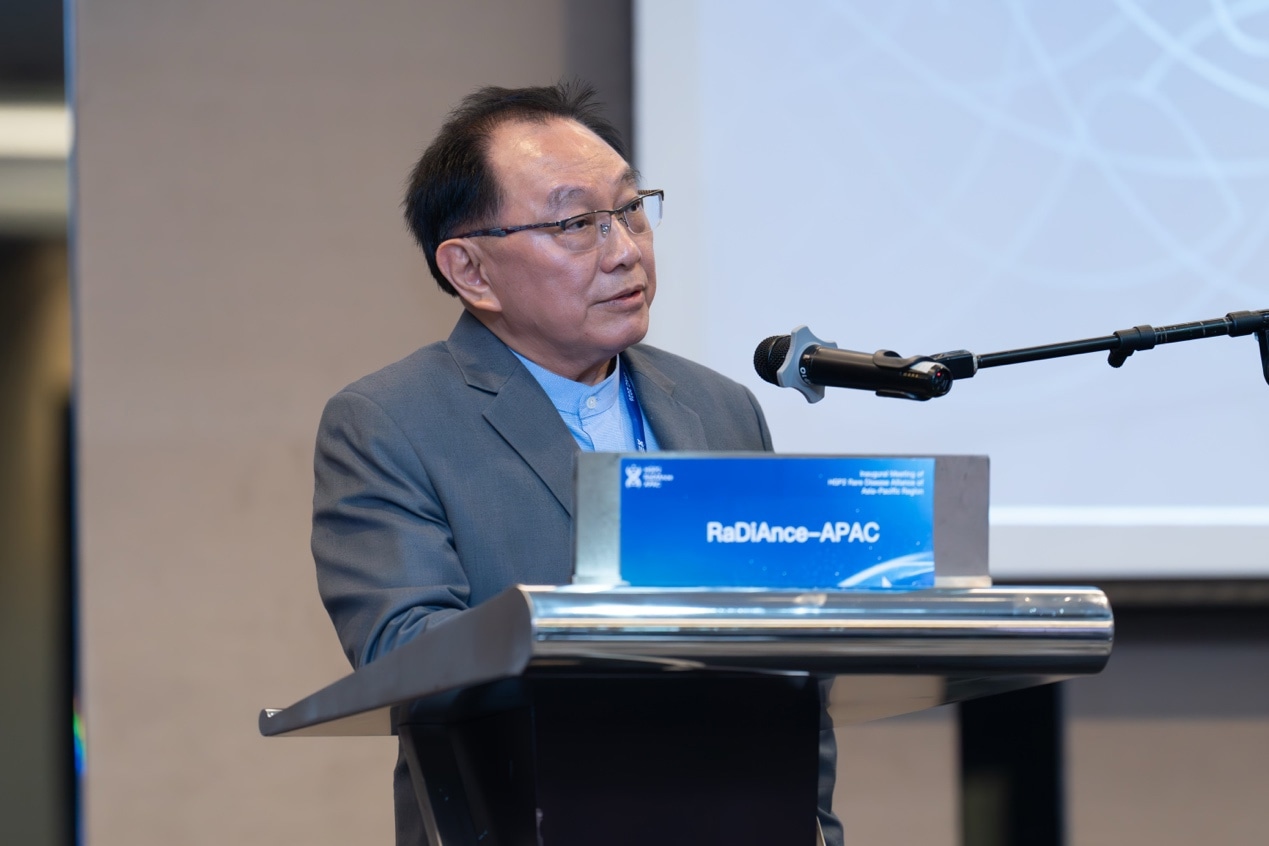
Dr. Thanyachai Sula speaks at the ceremony. (Image credit: HGP2 RaDiAnce-APAC)
Dr Thanyachai Surat, Professor of Medicine in the Medical Genetics and Genomics Unit at Mahidol University Ramathibodi Hospital, said: “Thailand is entering the genomic era and these technologies can improve outcomes and reduce time to diagnosis, especially for rare diseases. As a low- and middle-income country, we need to introduce these technologies gradually, paying close attention to cost-effectiveness, clinical necessity, and patient access. Through collaboration and shared learning, we can build practical and practical technologies.” It provides a sustainable genomic approach for countries with similar healthcare environments to Thailand. ”
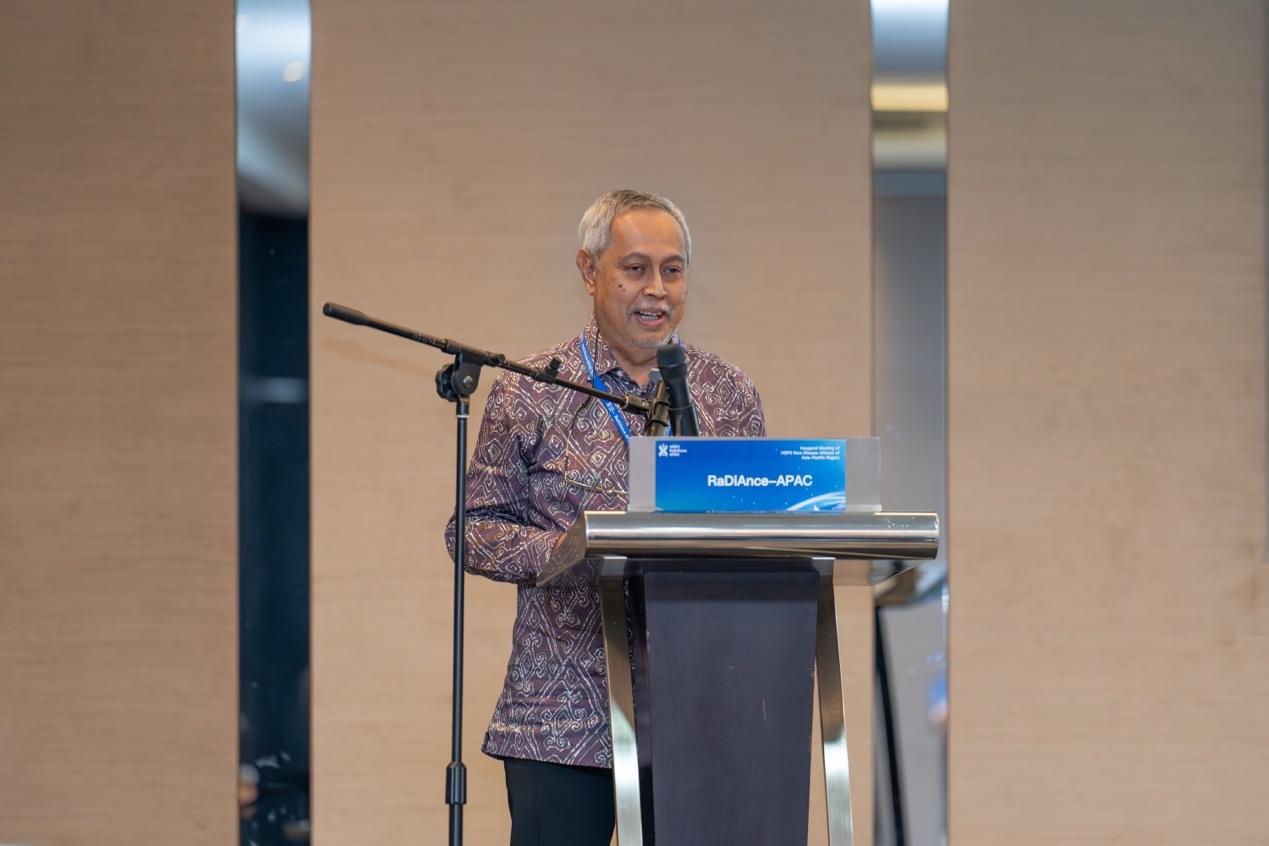
Dr. Zilfaril bin Alwi spoke at the ceremony. (Image credit: HGP2 RaDiAnce-APAC)
Dr Zilfaril Bin Alwi, Professor of Medical Genetics and Senior Consultant Pediatrician and Clinical Geneticist at Universiti Sains Malaysia, said: “Rare diseases should not be ignored just because they are ‘rare’ or require more resources to manage. HGP2 The establishment of RaDiAnce-APAC is timely and important. It provides a valuable platform for low- and middle-income countries in the region to connect, collaborate and address rare disease issues together.
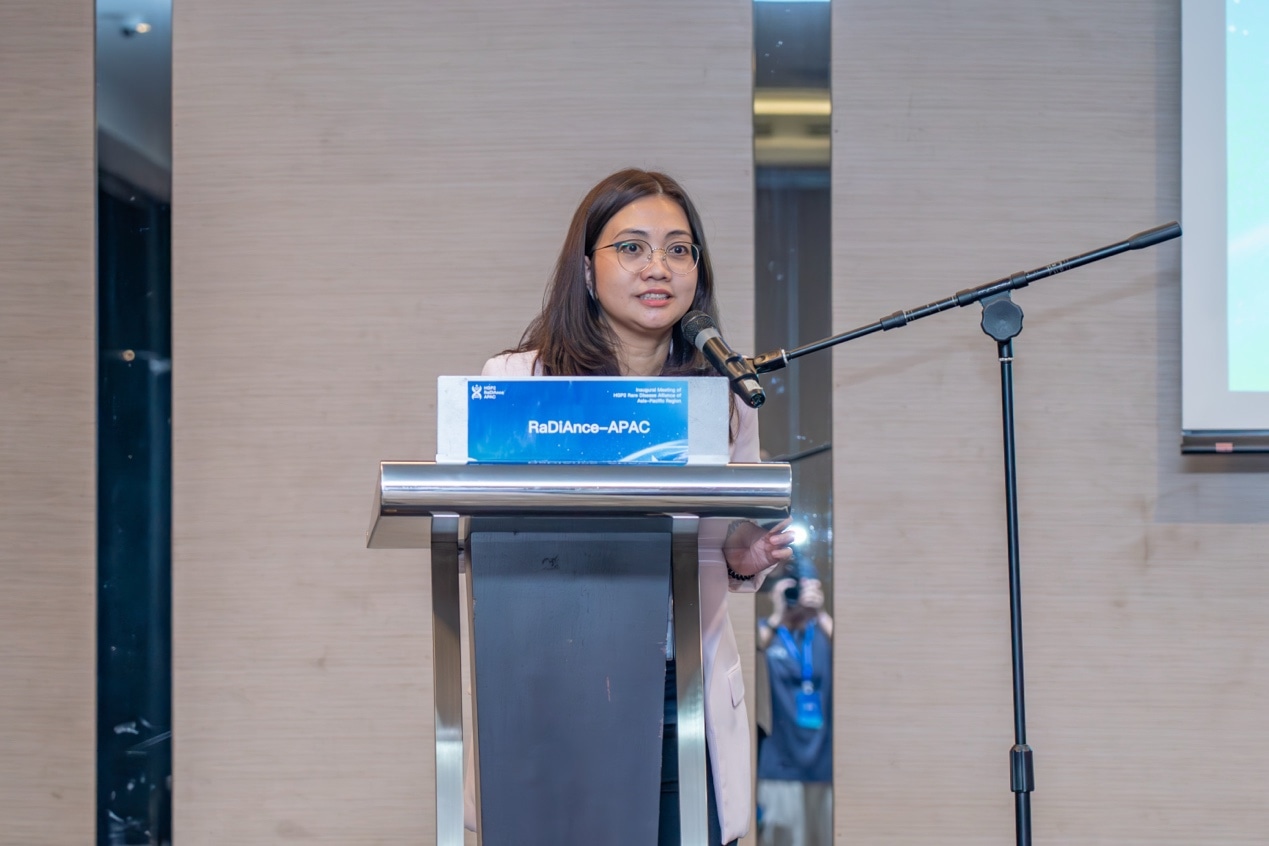
Dr. Rudy Diyani Rahmartani speaking at the ceremony. (Image credit: HGP2 RaDiAnce-APAC)
“Genomics and AI are the future. If we can collaborate with organizations that provide genomic diagnostics in each country and across Southeast Asia, we can raise standards, grow together as a team, and help many people,” said Dr. Rudi Diyani Rahmartani, a pediatrician at the University of Indonesia and RSUPN’s Siput Mangunkusumo Hospital.
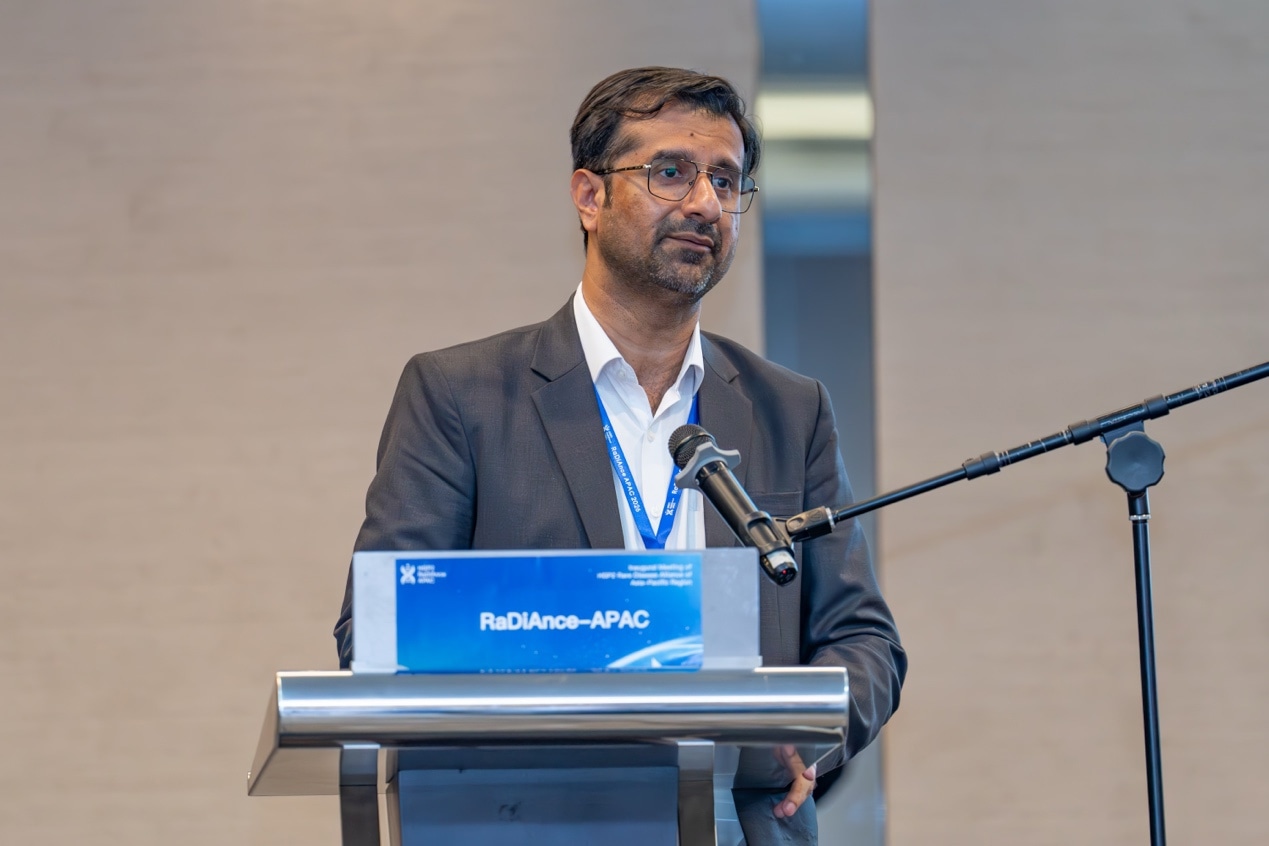
Dr. Muhammad Jawad Hassan spoke at the ceremony. (Image credit: HGP2 RaDiAnce-APAC)
Dr. Mohammad Jawad Hassan, medical geneticist at Shifa International Hospital and professor of biological sciences at Shifa Tamer-e-Millat University, said, “In the post-genomic era, clinicians and medical geneticists are moving beyond diagnosis and are looking at genomics, data, Multidisciplinary treatment needs to be integrated. For countries like Pakistan, building local genomic resources and strengthening clinical capacity is essential to achieve early diagnosis, better treatment decisions, and improved prevention of genetic diseases.”
As a key participant in this partnership, BGI Genomics introduced integrated technology solutions spanning high-precision detection, intelligent analytics, and localized talent training to provide localized support for rare disease diagnostics across the Asia-Pacific region.
BGI Genomics combines high-throughput sequencing (HTS) and long-read complementation to deliver highly accurate and complete coverage rare disease diagnosis. The company is currently establishing a national rare disease diagnostic center with Thailand’s Ministry of Health, improving access across Southeast Asia through equipment installation and technology transfer.
iGeneT pro, an AI-powered platform, enables variant interpretation, quality control, ACMG classification, and automated reporting. Reduce tasks from years to minutes while minimizing human error.
The Genetic Disease Interpretation Training Workshop represents a major step forward in international genomics education. Through this initiative, BGI Genomics will help build local expertise in genetic analysis and clinical interpretation, facilitating more localized solutions for rare disease diagnosis.
This collaboration will accelerate the clinical application of genomic technologies and enable timely, accurate and affordable care for patients with rare diseases. BGI Genomics remains committed to leveraging its technological leadership to strengthen local public health and provide life-changing diagnostic accuracy to rare disease patients in Asia Pacific.
