


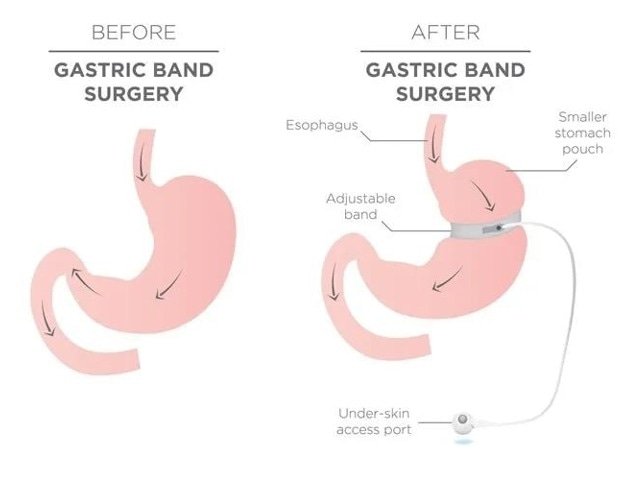
Metabolic and bariatric surgery results in significantly greater weight loss and improved obesity-related disease remission rates than glucagon-like peptide-1 receptor agonists (GLP-1), according to one of the largest and most comprehensive real-world comparisons of the two treatments. The findings were presented today at the American Society of Metabolic and Bariatric Surgery (ASMBS) Annual Meeting (#ASMBS2026).
A systematic review and real-world analysis of 30 clinical studies involving more than 430,000 patients found that while both treatments produced meaningful results, metabolic and bariatric surgery consistently outperformed GLP-1 drugs in every outcome measured. The study was conducted by researchers at Yale School of Medicine, Coleba Scientific, Vanderbilt University, and UT Health San Antonio.
After 12 months, patients who underwent metabolic and bariatric surgery achieved more than 20% greater weight loss than those treated with GLP-1 therapy. Surgery was also associated with significantly higher remission rates for major obesity-related diseases, including type 2 diabetes (+42%), hypertension (+12.8%), and high cholesterol (+20.8%).
Although GLP-1 therapeutics are an important advance, they remain one of the most underutilized treatments in medicine, falling short of the scale and durability of outcomes achieved with metabolic and bariatric surgery. Whether due to side effects, cost, or other factors, the benefits of surgery persist when the medication is discontinued, whereas its benefits often diminish or disappear. ”
John M. Morton, MD, MPH, FASMBS, study co-author, Professor of Surgery and Associate Director of Quality and Surgery, Yale School of Medicine
This review included a comprehensive search of the PubMed and EMBASE databases and focused only on studies directly comparing bariatric surgery and GLP-1 receptor agonists, excluding combination therapy. The primary endpoint was weight loss after 12 months, and secondary endpoints included remission of obesity-related diseases such as type 2 diabetes, hypertension, and hyperlipidemia.
“Despite the explosion of GLP-1 drugs, there are no randomized controlled trials that have directly compared GLP-1 drugs to bariatric surgery. This analysis helps fill that evidence gap,” said John Scott, MD, FACS, FASMBS, clinical professor of surgery at the University of South Carolina Greenville and director of metabolic and bariatric surgery at Prisma Health, who was not involved in the study. “Although GLP-1 has expanded evidence-based treatment options, it should not be considered a replacement for surgery, especially for patients who require the level of outcomes that only metabolic and bariatric surgery can provide.”
sauce:
American Society of Metabolic and Bariatric Surgery
