

Close Menu

    Subscribe to Updates

    Get the latest creative news from FooBar about art, design and business.

    What's Hot

    2026 Pharma Outlook: Key Trends for Pharmacologists and Drug Development Leaders

    September 26, 2026

    The Climate-Health Crisis in Urban Environments: Who It’s For and What You’ll Gain

    September 25, 2026

    Overcoming Access Barriers to Evidence-Based Psychiatric Treatments in Inpatient Settings

    September 24, 2026
    Facebook X (Twitter) Instagram
    Facebook X (Twitter) Instagram
    Health Magazine
    • Home
    • Environmental Health
    • Health Technology
    • Medical Research
    • Mental Health
    • Nutrition Science
    • Pharma
    • Public Health
    • Discover
      • Daily Health Tips
      • Financial Health & Stability
      • Holistic Health & Wellness
      • Mental Health
      • Nutrition & Dietary Trends
      • Professional & Personal Growth
    • Our Mission
    Health Magazine
    Home » News » Is the Colorado River in danger from climate change?
    Environmental Health

    Is the Colorado River in danger from climate change?

    healthadminBy healthadminJuly 20, 2026No Comments4 Mins Read
    Is the Colorado River in danger from climate change?
    Share
    Facebook Twitter Reddit Telegram Pinterest Email


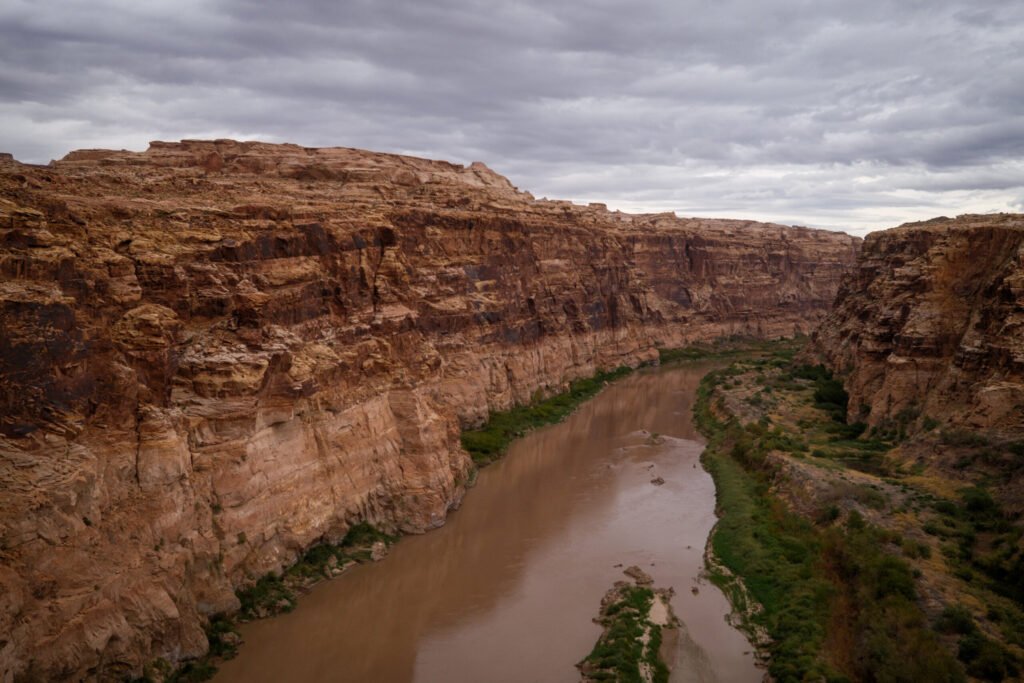
    As negotiations and potential litigation over the Colorado River intensify, the U.S. Bureau of Reclamation, ultimately responsible for managing the river, would be wise to pull back from high-stakes gambles and take a hard look at the science.

    To help explain the secretariat, I’ve packed the best and most up-to-date science into four tight paragraphs below.

    First and foremost, in a new report from the University of Colorado Boulder, the industry’s best scientists predict that climate change could reduce Colorado River flows by an additional 30% by 2050, without returning to pre-climate change flow levels.

    Second, a new scientific study by the group Truth About Dams explains how massive dam construction on the Colorado River is a source of greenhouse gas emissions. Not only do reservoirs and hydroelectric turbines themselves emit GHGs, but the depletion of 2 million acres of wetlands in Mexico’s Colorado River Delta caused by dams is the largest source of GHG emissions in the entire system.

    Third, another new scientific study published in Nature Communications describes how human interventions to capture and manage water can cause further aridity in arid climates affected by climate change. The study shows that “pumping water for farms, clearing land, and damming rivers primarily exacerbated dry conditions.”

    Get your morning headlines.

    Finally, a recent scientific study published in Nature Water shows that as the climate warms, reservoirs will become warmer and more polluted, emitting even more GHGs than they currently do. The study estimates that reservoir discharges at Glen Canyon Dam’s latitude could increase by 20% to 80% by the end of the century, depending on how much worse climate change worsens.

    I call this the “climate doom loop.” Damming and diversion of the Colorado River will cause greenhouse gas emissions and dry the Southwest, and decision makers will accelerate damming and diversion, accelerating greenhouse gas emissions and drying. In addition, hydroelectric power generation using dams and reservoirs generates greenhouse gas emissions, which will increase as climate change intensifies.

    In layman’s terms, we create the problem, and our efforts to solve the problem only make it worse.

    In 1936, social scientist Robert K. Merton was the first to formally analyze this concept, commonly known as the “law of unintended consequences.” The law is also closely tied to what economists call the “sunk cost fallacy” regarding the Colorado River, where bureaucracies continue to pursue efforts that fail because they have already invested so much time and money.

    The U.S. Bureau of Reclamation’s current attempt to “save” Glen Canyon Dam, Powell Reservoir, and its hydroelectric power generation is a perfect example of these loops, laws, and fallacies. Glen Canyon Dam has the unintended consequence of causing greenhouse gas emissions that will further dry the American Southwest, but the agency has invested a lot of time and money into Glen Canyon Dam and wants to save it, but as climate change intensifies emissions and dryness will increase further, saving the dam becomes even less likely.

    Similarly, the ongoing and planned dam construction boom in Colorado, Wyoming, and Utah in the upper Colorado River basin further exemplifies these loops, laws, and fallacies. Denver Water is rushing to bring a new diversion online — a total reservoir expansion project billed as “climate resiliency” — that would further drain the Colorado River at the top of the Continental Divide, accelerating disruption downstream to Mexico and the Sea of ​​Cortez.

    Many of the same social scientists and economists also point to solutions to these problems that revolve around looking to the future rather than looking back. “Ignore the past,” they say, and instead ask the following questions: “Even knowing what we know now, would you still choose to do this?”

    The inconvenient truth of the Colorado River climate catastrophe loop forces us to look forward, not backward, in search of solutions to address it. The sooner the Landfill Authority starts thinking about the future, the sooner these solutions will emerge. To be clear, these solutions are difficult and controversial, but the reverse will be even more difficult.

    You make our work possible.


    Source link

    Visited 8 times, 1 visit(s) today
    Share. Facebook Twitter Pinterest LinkedIn Telegram Reddit Email
    Previous ArticleStates join in the fight against Trump administration headwinds…
    Next Article Scientists discover protein that protects brain from Alzheimer’s damage
    healthadmin

    Related Posts

    The Climate-Health Crisis in Urban Environments: Who It’s For and What You’ll Gain

    September 25, 2026

    The Urgent Health Crisis from Climate and Pollution

    September 12, 2026

    Confronting the Climate-Health Crisis: Impacts on Urban Populations

    September 11, 2026

    The Urgent Health Crisis from Climate Change and Pollution

    September 9, 2026

    The Urgent Health Crisis from Climate Change and Pollution

    September 4, 2026

    The Urgent Health Risks: Climate Change, Pollution, and Environmental Health Impacts

    September 1, 2026
    Add A Comment

    Comments are closed.

    Categories

    • Daily Health Tips
    • Discover
    • Environmental Health
    • Exercise & Fitness
    • Featured
    • Featured Videos
    • Financial Health & Stability
    • Fitness
    • Fitness Updates
    • Health
    • Health Technology
    • Healthy Aging
    • Healthy Living
    • Holistic Healing
    • Holistic Health & Wellness
    • Medical Research
    • Medical Research & Insights
    • Mental Health
    • Mental Wellness
    • Natural Remedies
    • New Workouts
    • Nutrition
    • Nutrition & Dietary Trends
    • Nutrition & Superfoods
    • Nutrition Science
    • Pharma
    • Preventive Healthcare
    • Professional & Personal Growth
    • Public Health
    • Public Health & Awareness
    • Selected
    • Sleep & Recovery
    • Top Programs
    • Weight Management
    • Workouts
    Popular Posts
    • 1773313737_bacteria_-_Sebastian_Kaulitzki_46826fb7971649bfaca04a9b4cef3309-620x480.jpgHow Sino Biological ProPure™ redefines ultra-low… March 12, 2026
    • pexels-david-bartus-442116The food industry needs to act now to cut greenhouse… January 2, 2022
    • 1773729862_TagImage-3347-458389964760995353448-620x480.jpgDespite safety concerns, parents underestimate the… March 17, 2026
    • 1774403998_image_28620e4b6b0047f7ab9154b41d739db1-620x480.jpgGait pattern helps distinguish between Lewy body… March 24, 2026
    • 1773209206_futuristic_techno_design_on_background_of_supercomputer_data_center_-_Image_-_Timofeev_Vladimir_M1_4.jpegMulti-agent AI systems outperform single models… March 11, 2026
    • Leukemia-620x480.jpgBiomimetic platform powers CAR T therapy for… March 9, 2026

    Demo
    Stay In Touch
    • Facebook
    • Twitter
    • Pinterest
    • Instagram
    • YouTube
    • Vimeo
    Don't Miss

    2026 Pharma Outlook: Key Trends for Pharmacologists and Drug Development Leaders

    By healthadminSeptember 26, 2026

    Explore 2026 pharma trends including AI in drug discovery, regulatory changes, and biopharma manufacturing shifts for pharmacologists and executives.

    The Climate-Health Crisis in Urban Environments: Who It’s For and What You’ll Gain

    September 25, 2026

    Overcoming Access Barriers to Evidence-Based Psychiatric Treatments in Inpatient Settings

    September 24, 2026

    Bridging Gaps in Evidence-Based Psychiatric Treatments

    September 23, 2026

    Subscribe to Updates

    Get the latest creative news from SmartMag about art & design.

    HealthxMagazine
    HealthxMagazine

    At HealthX Magazine, we are dedicated to empowering entrepreneurs, doctors, chiropractors, healthcare professionals, personal trainers, executives, thought leaders, and anyone striving for optimal health.

    Our Picks

    Bridging Gaps in Evidence-Based Psychiatric Treatments

    September 23, 2026

    Bridging the Gaps in 2025-2030 Dietary Guidelines for Metabolic Health

    September 22, 2026

    Overcoming Access Barriers: Evidence-Based Insights for Mental Health Professionals

    September 21, 2026
    New Comments
      Facebook X (Twitter) Instagram Pinterest
      • Home
      • Privacy Policy
      • Our Mission
      © 2026 ThemeSphere. Designed by ThemeSphere.

      Type above and press Enter to search. Press Esc to cancel.