


A study led by Weill Cornell Medicine researchers shows that proteins produced by gut immune cells coordinate both immune defenses against pathogens and immune tolerance in gut bacteria. This discovery reveals the complex biology of the intestinal immune system and may lead to better targeted treatments for inflammatory bowel disease (IBD).
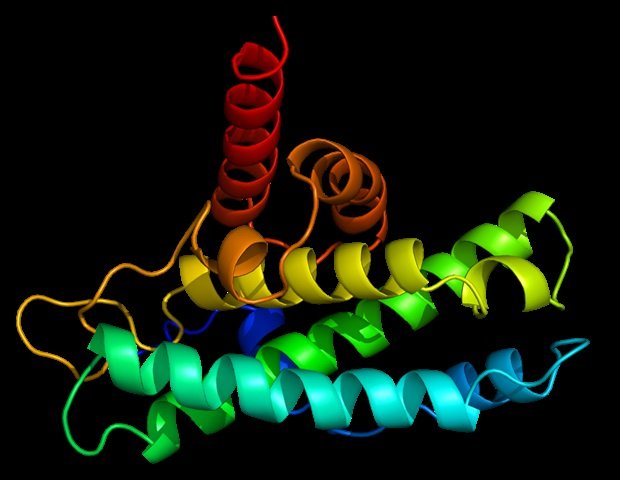
In the study, published July 7 in the journal Immunity, researchers aimed to better understand an immune protein called TL1A. TL1A is present at high levels in the intestinal tissues of IBD patients and has been associated with various inflammatory conditions in genetic studies and is therefore considered a promising therapeutic target, but its molecular association with inflammatory diseases is not well understood. The researchers found that in intestinal immune cells, TL1A exerts many of its immunostimulatory effects against pathogens through a protein called BHLHE40, which is a master switch for many genes. Surprisingly, they also discovered that this protein also plays an important role in maintaining immune tolerance to the beneficial microorganisms that normally live in the gut, helping to prevent unnecessary inflammation.
These findings reveal BHLHE40 as a key regulator and regulator of TL1A-specific responses, and this pathway may be targeted more selectively to benefit IBD patients. ”
Dr. Randy Longman, senior study author, director of the Jill Roberts Inflammatory Bowel Disease Center at Weill Cornell Medicine and NewYork-Presbyterian/Weill Cornell Medical Center, and professor of medicine at Weill Cornell Medicine
The study’s lead author is Dr. Wei Yang, a postdoctoral fellow at the Longman Institute.
IBD is a group of relapsing and remitting intestinal inflammatory diseases, Crohn’s disease and ulcerative colitis, that together affect between 2.4 million and 3.1 million Americans. Treatment has traditionally included broad immunosuppression, but advances in immunology in recent decades have led to the development of more narrowly targeted strategies, such as TL1A-blocking antibodies currently in clinical trials in patients with ulcerative colitis.
In this study, the researchers observed that one of the most prominent effects of TL1A was a strong increase in the production of BHLHE40 in gut-resident immune cells called ILC3 cells. Analysis of existing data on IBD patients showed that BHLHE40 is also elevated in these cells during human disease. In mice, the ILC3 BHLHE40 was required for effective protection against pathogenic enterobacteriaceae, but the same pathway may also promote IBD-like enterocolitis, with mice lacking this gene showing milder disease symptoms. These findings suggest that BHLHE40 is key to balancing the beneficial and deleterious effects of the intestinal immune response.
In addition to regulating its effects in ILC3 cells, BHLHE40 had a very distinct function in another immune cell population called ROR-gamma-t antigen-presenting cells. These cells strengthen immune tolerance to beneficial gut microorganisms by activating regulatory T cells (Tregs) and dampen immune activity in the vicinity of these microorganisms. Scientists discovered that BHLHE40 is required to induce proper Treg activation. The absence of BHLHE40 in a mouse model of colitis led to more severe inflammation.
Surprisingly, the researchers discovered that BHLHE40 also helps promote immune tolerance from within the ILC3 itself. There, experiments showed that regulatory proteins induce the expression of the cell surface protein OX40L, which provides an important signal to Tregs that protect microbes. Without BHLHE40, OX40L and Treg levels were much lower. Taken together, these findings reveal that BHLHE40 coordinates communication between three major immune cell types to promote tolerance in the intestine.
“This provides a new model or paradigm for how immune cells at mucosal surfaces, such as the intestine, work together to maintain barrier tolerance and host defense,” said Dr. Yang.
This finding could have clinical implications as it opens up the possibility of targeting specific factors downstream of TL1A signaling to reduce inflammatory immune activity in the gut without compromising tolerance to beneficial gut microbes. Additionally, Dr. Longman said markers of these factors, such as OX40L, could help track patient response to treatment.
“We are currently focusing on translational opportunities in this BHLHE40 pathway and working to expand our understanding of the role of this protein in intestinal immunity more generally,” he said.
sauce:
Reference magazines:
Yang, W. Others. (2026) Expression of the transcription factor BHLHE40 in group 3 innate lymphocytes and RORγt+ antigen-presenting cells modulates intestinal immunity. immunity. DOI: 10.1016/j.immuni.2026.06.007. https://www.sciencedirect.com/science/article/pii/S107476132600258X?dgcid=author
